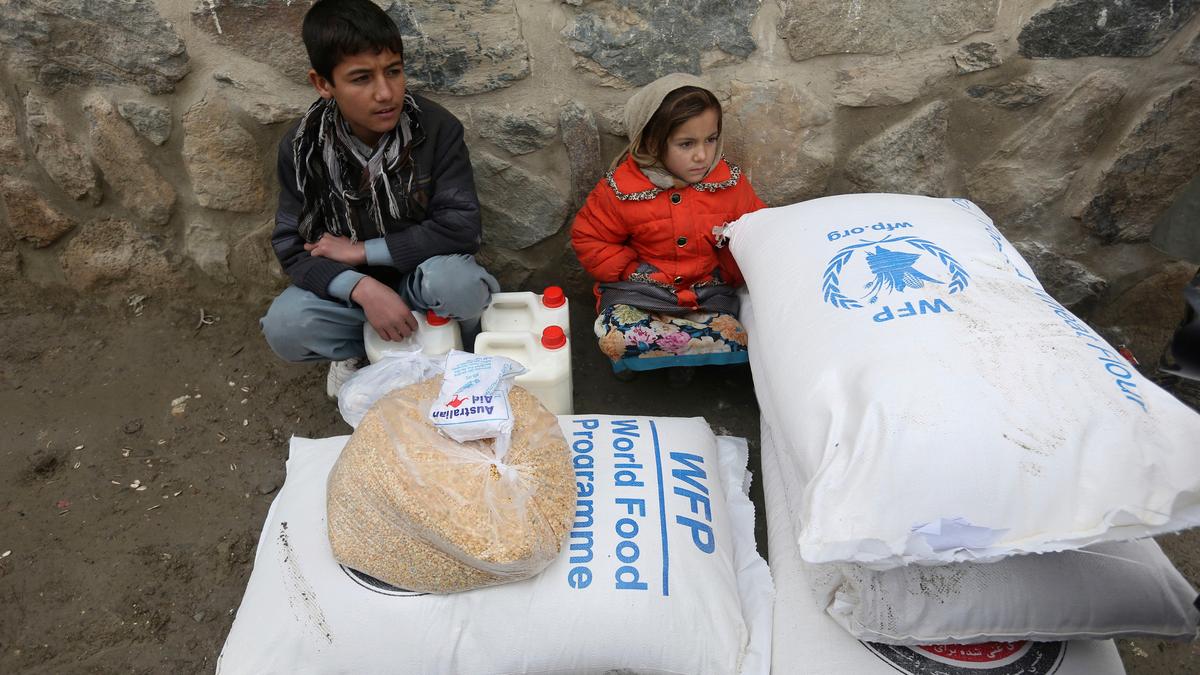
Afghanistan’s economic recovery is faltering, with nine out of ten families experiencing food insecurity or falling into debt, according to a new United Nations Development Programme (UNDP) report. The findings reveal escalating hardships amid ongoing political and economic instability in the country.
UNDP reports 90% of Afghan families face hunger or debt amid faltering economic recovery and ongoing humanitarian crisis in Afghanistan.
Kabul, Afghanistan — Afghanistan’s fragile economic recovery is unraveling as a recent United Nations Development Programme (UNDP) report highlights that nine in ten Afghan families are currently either facing hunger or have incurred debt to meet basic needs. The report, released on November 12, 2025, underscores the deepening humanitarian crisis amid continuing political uncertainty, compounded by international aid shortfalls and internal economic challenges.
The UNDP’s analysis reveals that an overwhelming majority of households across Afghanistan are struggling to secure adequate food and essential resources, a situation exacerbated by declining incomes and rising prices. The staggering statistic points to widespread food insecurity and increasing reliance on borrowing, often plunging households into cycles of debt that threaten long-term stability.
Economic Conditions Worsen Amid Political Instability
Since the Taliban regained control in 2021, Afghanistan’s economy has faced significant setbacks, including reduced foreign aid, frozen assets, and limited international recognition. These factors have contributed to a contraction in economic activity and diminishing employment opportunities. The UNDP report details how these challenges have intensified vulnerabilities among already marginalized populations.
According to the report, nearly 90% of families reported having to borrow money or take on debt to afford food, healthcare, and education. Malnutrition rates have risen, particularly among children, further complicating the nation’s public health outlook. The situation has been compounded by erratic weather patterns impacting agricultural productivity, which remains a vital sector for sustaining the population.
Impact on Households and Communities
“The economic hardships faced by Afghan families are unprecedented in recent years,” stated a UNDP spokesperson. “Without urgent support, millions risk sliding further into poverty and hunger.”
Many households reported reducing meal portions, skipping meals, or relying on less nutritious food to cope with limited means. The accumulated debt has not only increased financial pressure but also heightened social stress within communities, risking destabilization at the grassroots level.
International Response and Future Prospects
International agencies have repeatedly called for renewed financial assistance and more inclusive engagement with Afghanistan’s current authorities. The UNDP report urges the global community to prioritize humanitarian aid and economic development programs to prevent further deterioration.
While some economic recovery efforts have been implemented, the report stresses that these remain insufficient against the scale of the crisis. Long-term solutions hinge on political stability, unfreezing of assets, and restoring international partnerships.
In conclusion, Afghanistan’s socio-economic landscape remains deeply fragile, with the majority of families battling hunger and debt. The UNDP’s findings highlight an urgent need for concerted action to address the humanitarian and economic challenges facing the nation.