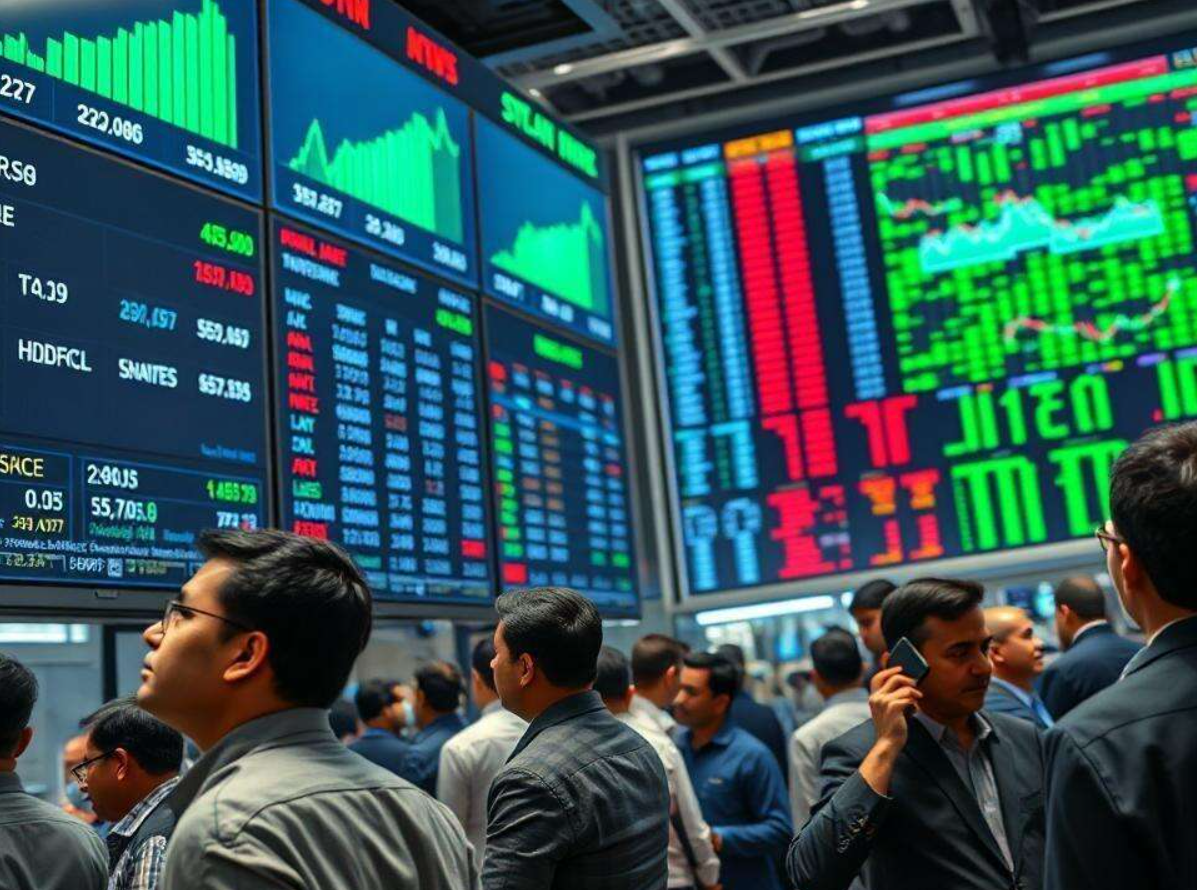
Asian stock markets displayed a mixed performance on Tuesday following a rally on Wall Street. Japan’s Nikkei index plunged more than 1000 points, while South Korea’s Kospi managed a modest gain of 0.2%, reflecting varied investor sentiment across the region.
Asian stocks trade mixed after Wall Street rally; Nikkei drops over 1000 points while Kospi gains 0.2%, reflecting varied regional investor sentiment.
Asian stock markets traded mixed on Tuesday as investors reacted to a strong rally on Wall Street amid ongoing global economic uncertainties. Japan’s Nikkei 225 index sharply dropped over 1000 points, marking a significant decline amid profit-taking and concerns over domestic economic indicators. Conversely, South Korea’s Kospi edged higher by 0.2%, benefiting from gains in technology and export-oriented stocks.
Wall Street Rally Spurs Mixed Reactions in Asia
The previous day, major U.S. stock indexes rallied on hopes of supportive economic policies and encouraging corporate earnings, boosting investor confidence globally. However, the positive sentiment did not uniformly extend to Asian markets. The Nikkei’s steep fall reflected lingering worries about Japan’s economic growth prospects and the impact of a strengthening yen on exporters.
Japan’s Nikkei Index Slides Amid Economic Concerns
The Nikkei 225 closed down more than 1000 points, or approximately 3.5%, its largest single-day drop in recent weeks. Analysts attributed the decline to a combination of factors including disappointing economic data releases and profit-taking after recent gains. The yen’s appreciation against the dollar also pressured major exporters, weighing on stock prices.
South Korea’s Kospi Climbs on Tech Stock Gains
In contrast, South Korea’s Kospi Index gained 0.2%, supported by strength in technology and semiconductor stocks, which continue to benefit from increasing global demand. Investors also welcomed positive earnings reports from some prominent firms, providing a cushion against broader market volatility.
Other Asian Markets Show Divergent Trends
Elsewhere in Asia, markets showed varied performance. Hong Kong’s Hang Seng Index traded slightly lower, impacted by regulatory concerns and geopolitical tensions. Meanwhile, China’s Shanghai Composite index remained relatively flat, as investors awaited further policy guidance amid mixed economic data.
Market Analysts Weigh In
Market experts noted that the divergence across Asian equities underscores the complexities facing investors amid an evolving global economic landscape. “While Wall Street’s rally provided initial optimism, regional factors such as currency fluctuations, economic data, and geopolitical risks are influencing Asian markets differently,” said Lin Wei, a senior market strategist at Global Investors Ltd.
Looking Ahead
Analysts suggest that investors should closely monitor upcoming economic releases and central bank communications across major economies. The ongoing tug of war between growth concerns and supportive policy signals is expected to keep markets volatile in the near term.
In summary, Asian markets showed mixed results on Tuesday following a rally on Wall Street. The Nikkei index’s sharp decline contrasted with modest gains for the Kospi, reflecting divergent regional economic conditions and investor sentiment. Continued monitoring of economic indicators and geopolitical developments will be key for market participants moving forward.