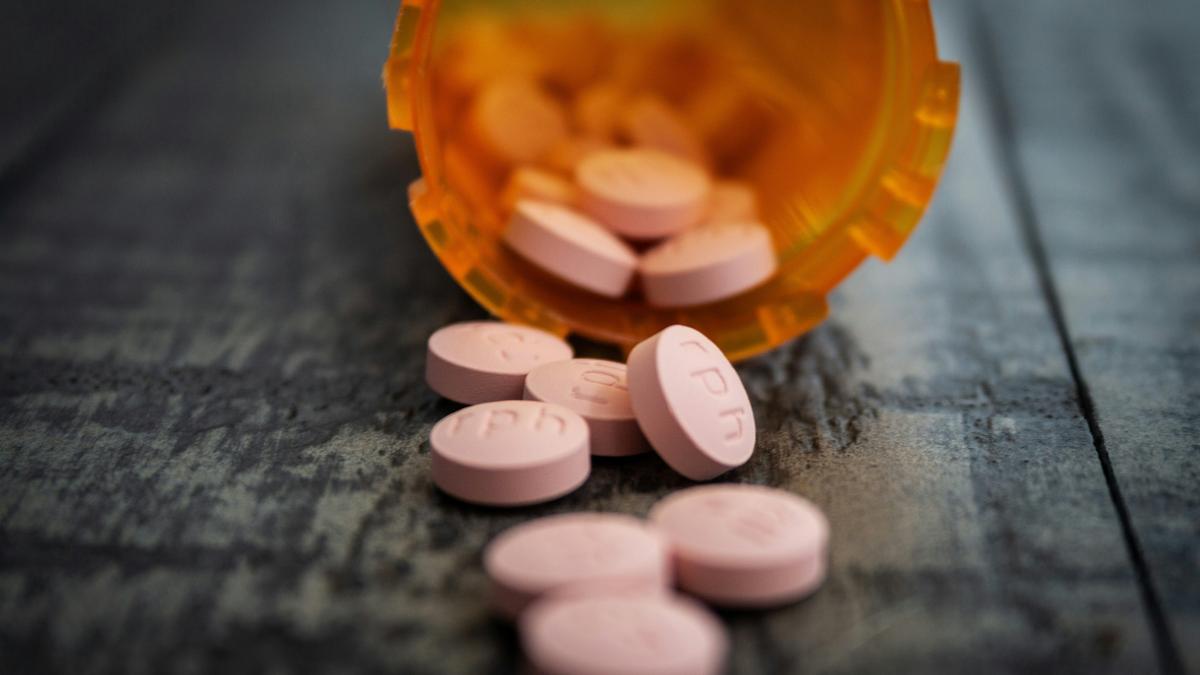
As antibiotic resistance continues to rise globally, researchers are exploring the combination of antibiotics as a potential solution to enhance effectiveness. This approach aims to overcome the growing challenge of diminishing antibiotic efficacy and could mark a significant shift in infectious disease treatment.
Antibiotic resistance drives research into combining antibiotics to boost effectiveness and combat multidrug-resistant infections globally.
The global rise of antibiotic-resistant bacteria has alarmed healthcare professionals and researchers alike, prompting urgent investigations into new methods to combat infections. On October 28, 2025, recent studies and expert opinions have highlighted the potential of combining antibiotics as a viable strategy to counteract reduced drug effectiveness. Antibiotic resistance occurs when bacteria evolve mechanisms to withstand the drugs designed to kill them, rendering conventional treatments less effective and leading to longer illness durations, increased healthcare costs, and higher mortality rates worldwide.
Experts argue that combining different antibiotics could enhance the ability to eradicate resistant bacteria by leveraging complementary mechanisms of action. By using multiple drugs simultaneously, the bacteria face a multifaceted threat, which may reduce the likelihood of survival and adaptation. Additionally, certain antibiotic combinations have been found to produce synergistic effects, where the combined impact exceeds the sum of individual effects.
Research institutions and pharmaceutical companies are increasingly investing in studies to identify optimal combinations. Dr. Ravi Sharma, an infectious disease specialist at the National Institute of Biomedical Research, explained, “Combining antibiotics allows us to target bacteria through multiple pathways, which can significantly decrease the chance of resistance developing. Though not a silver bullet, this approach holds promise in addressing the pressing issue of antimicrobial resistance.”
Clinical trials have already begun testing combinations for widespread infections caused by multidrug-resistant pathogens such as methicillin-resistant Staphylococcus aureus (MRSA) and carbapenem-resistant Enterobacteriaceae (CRE). Early results indicate improved patient outcomes and reduced treatment failures. However, challenges remain in determining the most effective drug pairings and managing potential increased side effects or toxicity.
Furthermore, the World Health Organization (WHO) has emphasized the importance of antibiotic stewardship, advocating cautious and targeted use of combined therapies to prevent further resistance development. Tailoring treatments based on the bacterial profile and resistance patterns is critical to maximizing benefits and minimizing risks.
In addition to combining existing antibiotics, research is ongoing into adjunct therapies, such as inhibitors that disable bacterial defense mechanisms, which can be paired with antibiotics to restore their efficacy. Such innovative approaches reflect the dynamic nature of efforts to address the antibiotic resistance crisis.
As antibiotic resistance threatens to undermine decades of medical progress, exploring combination therapies represents a strategic and evidence-based response. Continued collaboration between researchers, healthcare providers, and policymakers is essential to translate these findings into clinical practice and safeguard the effectiveness of antibiotics for future generations.