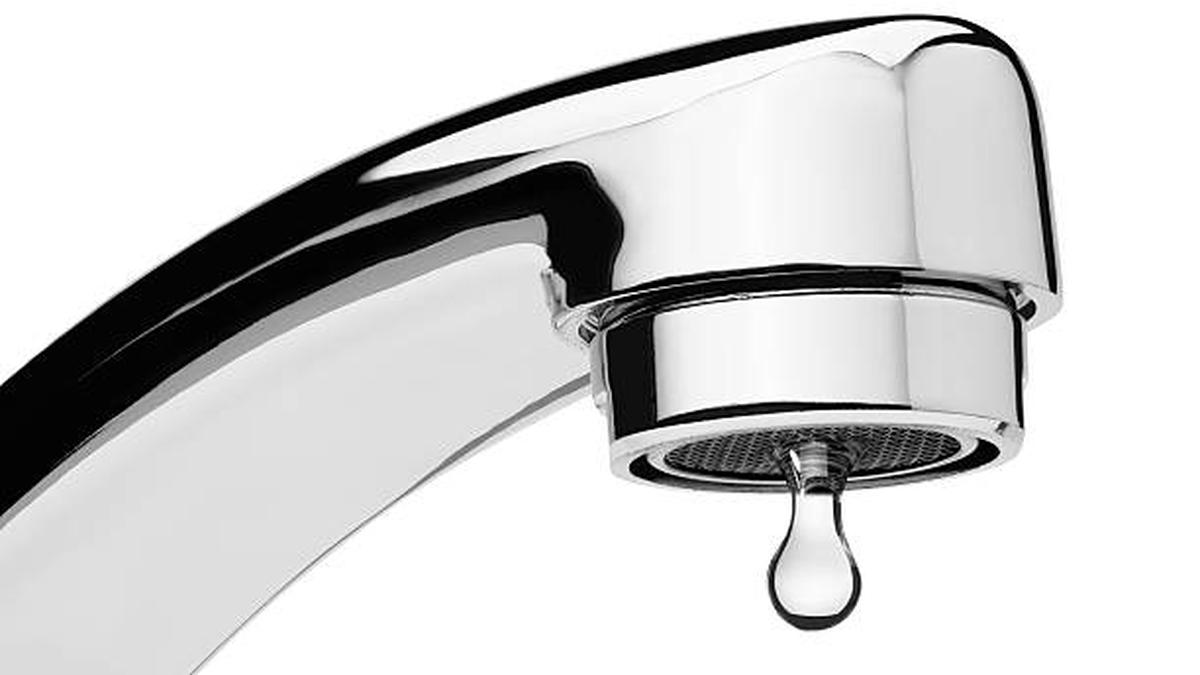
Faucets that continue to drip even after being tightly closed are a common household issue caused by factors such as worn washers and valve problems. Understanding the reasons behind persistent drips can help homeowners address water waste and prevent damage effectively.
Explore why faucets continue to drip even when closed tightly, including causes and solutions to prevent water wastage and fixture damage.
Faucets that drip even when fully closed are a frequent source of frustration among homeowners worldwide. This common plumbing problem not only contributes to water wastage but also signals potential underlying issues within the faucet mechanism. Experts explain that various factors, including worn-out washers, damaged valve seats, and mineral buildup, are the main culprits behind persistent drips.
A faucet’s drip occurs because it is designed to stop water flow when closed completely; however, when internal components degrade, the seal may become imperfect. Most conventional faucets use rubber washers to seal the valve; over time, these washers wear down or become misaligned, allowing small amounts of water to leak through. Mechanical wear is often exacerbated by hard water deposits that accumulate and affect the sealing surfaces.
“A leaking faucet is usually a sign that the internal washer or valve seat is worn,” says plumbing expert James Howard. “These parts need replacement to restore a tight seal.” Additionally, the valve seat, which connects the faucet to the spout, can corrode or develop rough edges, further preventing a proper seal and resulting in leakage. In some cases, stem packing—the material that provides a seal around the valve stem—can degrade, leading to drips.
Aside from mechanical wear, water pressure fluctuations can also impact faucet performance. Excessive water pressure could cause leaks even if the faucet appears tightly closed. Furthermore, improper installation or damage to the faucet’s internal components during maintenance could lead to persistent dripping.
Addressing faucet drips promptly is important for several reasons. Continuous dripping wastes significant amounts of water annually, increasing utility bills and straining local water resources. Further, persistent leaks can cause corrosion and damage to sink fixtures and lead to mold or mildew growth in humid environments.
Homeowners are advised to regularly inspect their faucets, listen for continuous dripping sounds, and check for moisture accumulation around the base. In many cases, replacing worn washers or valve seats can resolve the issue. For those unfamiliar with plumbing repairs, consulting a licensed plumber ensures the problem is correctly diagnosed and fixed.
Replacing old faucets with modern, drip-resistant models equipped with ceramic disc valves can significantly reduce leakage. These contemporary designs offer improved durability and maintain tight seals even after years of use.
In conclusion, dripping faucets despite tight closure generally result from worn washers, damaged valve seats, mineral deposits, or water pressure issues. Prompt maintenance and professional assessment can effectively resolve these issues, conserving water and preventing plumbing damage.