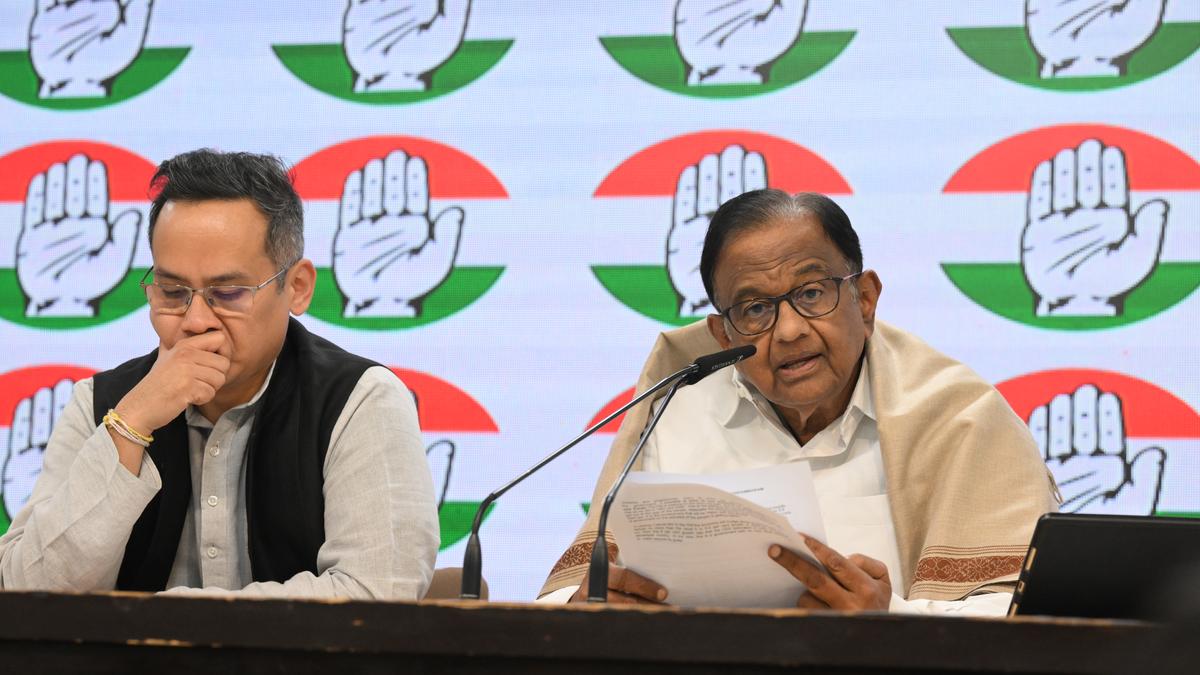
The Indian Finance Minister’s recent budget has drawn criticism from the Congress party, which accused the government of following a ‘worn-out’ fiscal path. Congress advocates for tax cuts after nearly a decade of consistently high tax rates to stimulate economic growth.
Congress criticizes Finance Minister’s budget approach, urging tax cuts after years of high rates to boost India’s economic growth and recovery.
New Delhi – The Indian Finance Minister presented the Union Budget on February 1, 2025, outlining key fiscal policies for the upcoming financial year. However, the budget has faced swift criticism from the Congress party, which described the government’s approach as a continuation of a ‘worn-out’ path that prioritizes high tax rates over meaningful reforms.
Congress leaders argued that the government has maintained elevated tax rates for nearly a decade, which has hampered economic growth and burdened the taxpayers. They called for immediate tax reductions as a catalyst to revive investment and consumer spending. According to the opposition, such measures would boost demand, generate employment, and accelerate the country’s overall economic recovery amid global uncertainties.
In a statement released shortly after the budget announcement, a senior Congress spokesperson said, “For too long, the government has clung to outdated fiscal policies that have failed to deliver the promised economic benefits. We advocate for substantial tax cuts to incentivize businesses and provide relief to the common citizen.”
The Finance Minister, in contrast, defended the fiscal strategy as prudent and necessary to balance growth objectives with macroeconomic stability. The budget included measures aimed at enhancing capital expenditure, improving infrastructure, and managing fiscal deficits responsibly, the Ministry of Finance highlighted.
Economic analysts have noted that the continuation of higher tax rates may constrain disposable income and corporate profitability in the short term but could be justified by the government’s focus on sustainable fiscal management. Nevertheless, the debate over taxation policies underscores the ongoing challenge faced by policymakers in striking a balance between revenue generation and economic stimulation.
The budget also reiterated commitments to digital initiatives, green energy investments, and social welfare schemes, aligning with broader government priorities. Yet, the demand for tax relief remains a pivotal issue in India’s policymaking discourse, especially as the country seeks to navigate post-pandemic economic recovery.
In conclusion, the Finance Minister’s 2025 budget has sparked contrasting views between the ruling government and the opposition Congress party. While the government emphasizes fiscal prudence and development spending, Congress calls for a paradigm shift toward tax cuts after a decade marked by elevated taxation. The unfolding dialogue highlights the vital role of fiscal policy in shaping India’s economic trajectory going forward.