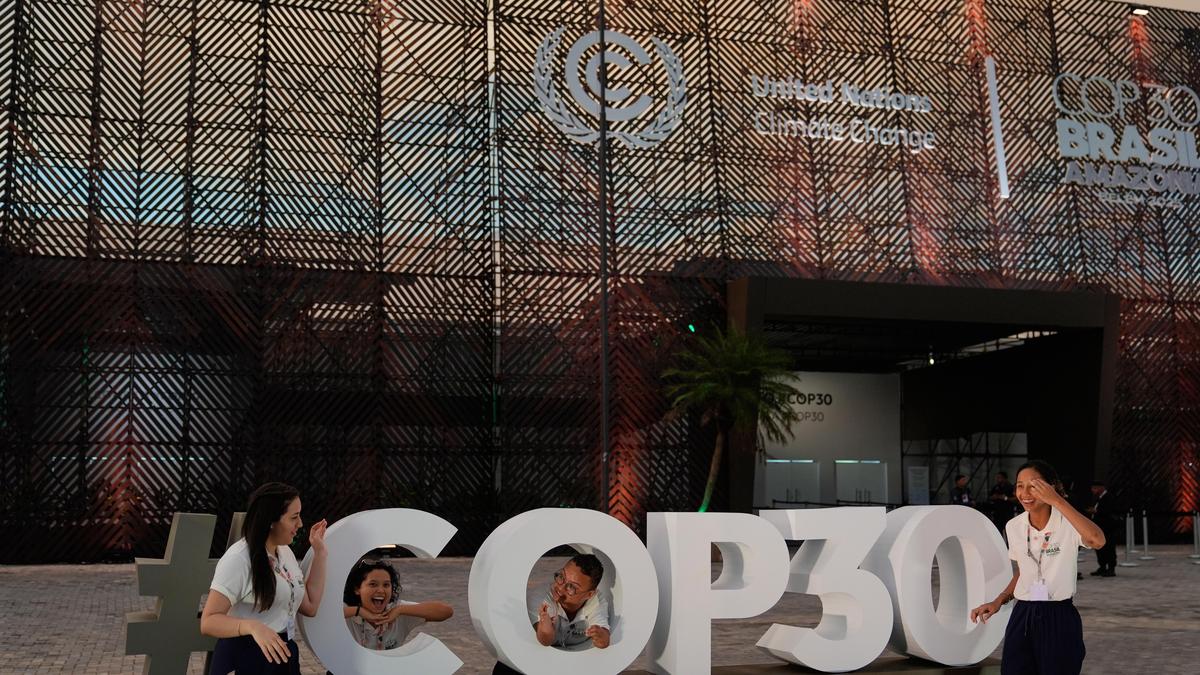
As COP30 convenes, a new report reveals that current climate finance initiatives are insufficient to support the resilience and sustainability of global health systems. The report stresses the need for increased funding to address the escalating health risks driven by climate change.
A new report at COP30 highlights gaps in climate finance that are undermining global health systems’ ability to cope with climate change impacts.
At the opening of the 30th Conference of the Parties to the United Nations Framework Convention on Climate Change (COP30) on November 10, 2025, a critical new report has spotlighted a significant shortfall in climate finance dedicated to strengthening global health systems. The report warns that despite growing health threats linked to climate change, current funding mechanisms are failing to adequately support health infrastructures that are vital for preparing and responding to climate-induced health emergencies.
The conference, taking place amid rising concerns over climate-related health crises such as heatwaves, infectious disease outbreaks, and extreme weather events, provides a timely platform for addressing these challenges. According to the report, countries most vulnerable to climate change face disproportionately high health risks but lack sufficient financial resources to build resilient healthcare services.
“Climate change is not only an environmental issue but a profound public health challenge,” the report states. “Yet, climate finance has predominantly targeted mitigation and adaptation projects unrelated to health, leaving global health systems underfunded and ill-prepared.”
Health experts attending COP30 emphasize that without enhanced investment in climate-resilient health infrastructure, the capacity to prevent, detect, and respond to climate-induced health emergencies will be severely compromised. This includes upgrading health facilities to withstand extreme weather, improving disease surveillance, and ensuring equitable access to care during disasters.
In recent years, health outcomes have increasingly been affected by climate phenomena. Heatwaves have led to spikes in heat-related illnesses and deaths, while changes in temperature and precipitation patterns have altered the distribution of vector-borne diseases like malaria and dengue fever. Moreover, climate change exacerbates chronic conditions and mental health problems due to displacement and loss of livelihoods.
Despite these growing risks, the report finds that only a small fraction of global climate finance—estimated at less than 5%—is currently directed to health sector initiatives. The imbalance underscores the urgent need for policymakers and stakeholders to recalibrate funding priorities.
Representatives from the World Health Organization (WHO) and other international agencies attending COP30 have called for integrating health considerations into all climate finance strategies. They argue that such integration will not only safeguard public health but also enhance the effectiveness of climate adaptation and mitigation efforts.
The report further recommends establishing dedicated climate-health funds, increasing transparency in how climate finance is allocated, and enhancing collaboration between health and climate sectors at national and international levels.
As COP30 continues, negotiators face the challenge of translating these findings into concrete financial commitments and strategic actions. The outcome will significantly influence how effectively the global community can protect human health in the face of accelerating climate change.
In conclusion, the new report presented at COP30 reveals critical deficiencies in current climate finance allocations that impede the strengthening of health systems globally. Addressing these gaps is essential to mitigate the growing health risks posed by climate change and to build resilience in vulnerable populations worldwide.