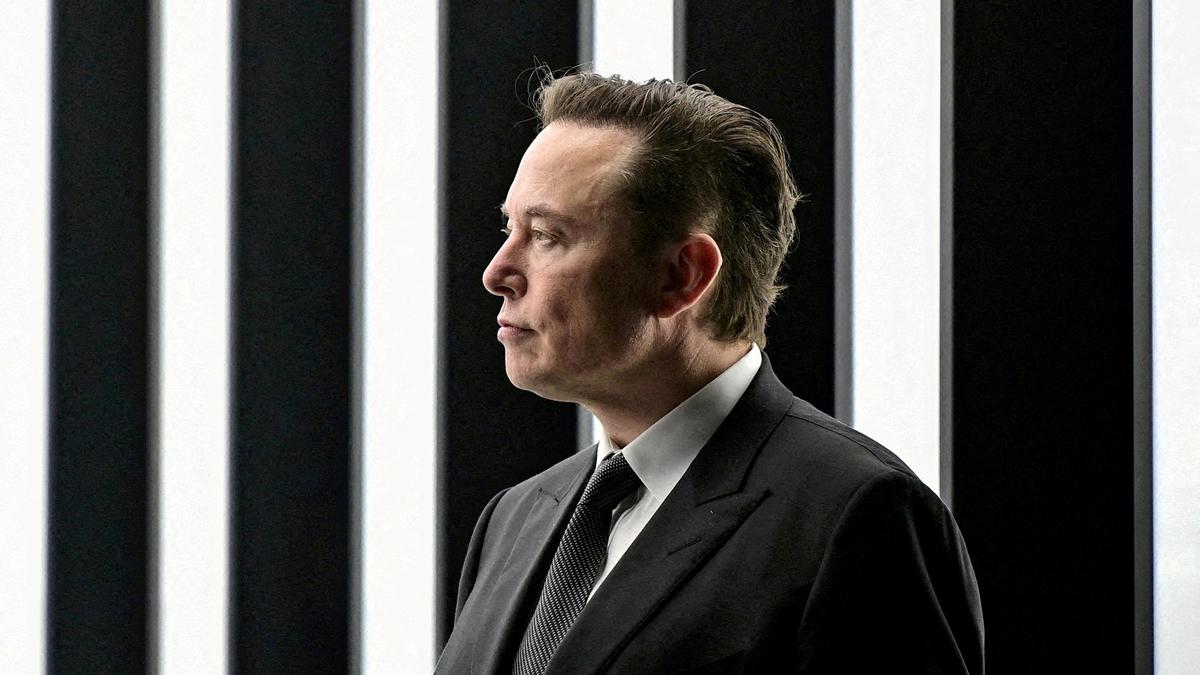
Elon Musk’s controversial Tesla pay package continues to spark debate as discussions surface about his potential status as the world’s first trillionaire. Critics and supporters alike weigh in on the implications of his compensation plan, which ties his earnings closely to Tesla’s performance milestones.
Debate heats up around Elon Musk’s Tesla pay package as he nears milestone-based stock options and potential status as the world’s first trillionaire.
Elon Musk, the CEO of Tesla, has once again become the focal point of intense debate concerning his compensation package, amidst growing speculation that he could become the world’s first trillionaire. The controversy, which has resurfaced prominently in early November 2025, centers around the highly unconventional pay structure Musk secured in 2018, which rewards him with stock options contingent on Tesla reaching specific market capitalization and operational goals.
Tesla’s Pay Package: What It Entails
Back in 2018, Tesla shareholders approved a compensation plan for Musk that could potentially yield him up to $55 billion if the company meets 12 escalating milestones related to market value and operational performance. Under the terms, Musk only earns shares as Tesla achieves these targets, which has effectively aligned his wealth with the company’s growth.
Since its approval, Tesla has experienced a meteoric rise in stock value, and with the recent surge, Musk is rapidly closing in on the thresholds that would unlock additional tranches of stock options. This trajectory has fueled widespread discourse regarding the appropriateness and scale of his pay, especially given the rapid accumulation of his net worth.
Public and Industry Reactions
Criticism of Musk’s compensation plan has come from various quarters, including shareholder advocates, industry analysts, and regulatory observers. Detractors argue that the pay package disproportionately rewards the company’s CEO, potentially widening the wealth gap and raising questions about executive compensation governance.
Conversely, supporters highlight that Musk’s remuneration is directly tied to Tesla’s performance, thereby incentivizing innovation and value creation. They assert that Musk’s role in driving the push towards sustainable energy and electric vehicles justifies the compensation structure.
Elon Musk’s Increasing Wealth
Musk’s net worth has seen unprecedented growth, primarily driven by Tesla’s soaring stock price and his holdings in other ventures such as SpaceX and Neuralink. Some estimations now speculate his total net worth could surpass the trillion-dollar mark, a milestone that would set a historic precedent.
This potential ascent to becoming the first trillionaire has intensified the debate around income inequality, corporate governance, and the societal implications of such concentrated wealth. Economic analysts emphasize that Musk’s case underscores broader conversations about the sustainability of executive pay models in the tech industry.
Tesla’s Performance and Future Outlook
Tesla’s operational milestones under Musk’s tenure include significant advances in production capacity, vehicle delivery numbers, and expansion into new markets. The company’s market capitalization recently soared past several historic thresholds, fueling Musk’s path toward unlocking more of his compensation bonus.
Market watchers are closely monitoring Tesla’s upcoming quarterly earnings and strategic developments to gauge if the company will continue on this trajectory. The outcome will not only affect Tesla’s market position but also Musk’s personal wealth trajectory.
Conclusion
The ongoing debate surrounding Elon Musk’s Tesla pay package highlights a complex intersection of executive compensation, corporate performance, and the societal ramifications of extreme personal wealth accumulation. As Tesla approaches critical milestones, Musk’s potential to become the world’s first trillionaire continues to capture public and industry attention, prompting discussions on the future of pay structures for leading innovators in the technology sector.