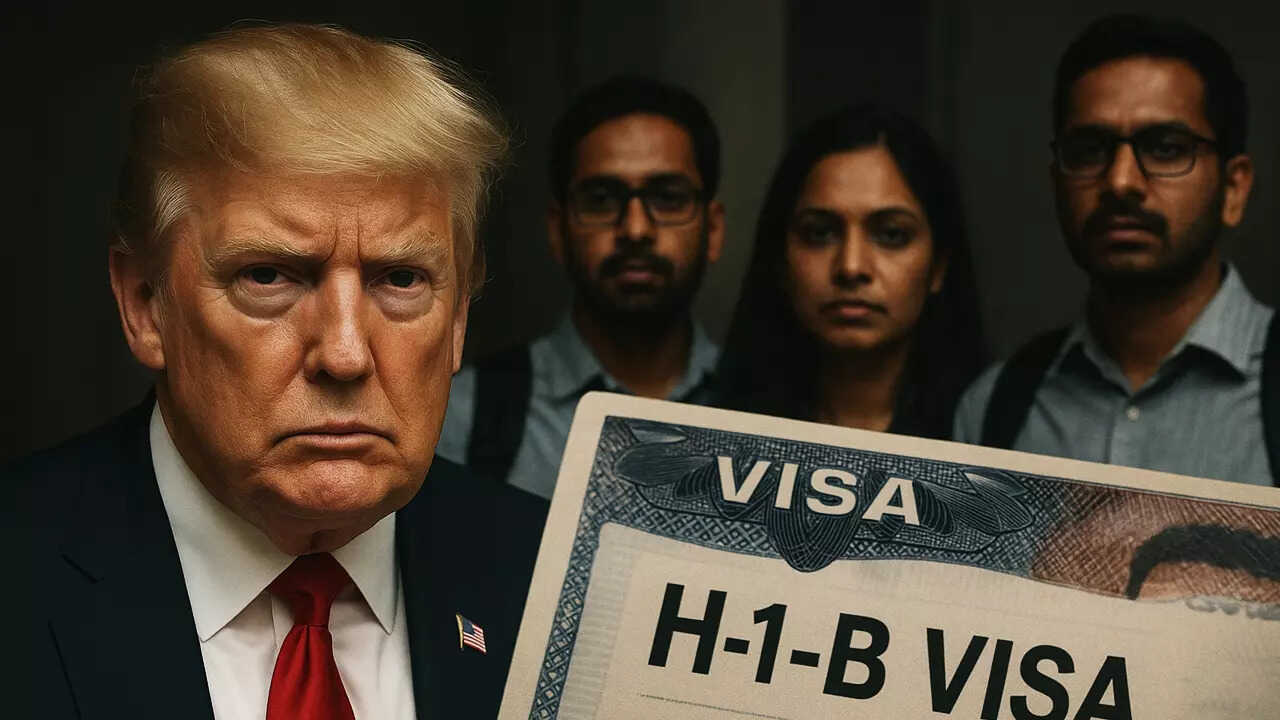
Recent discussions have challenged misconceptions surrounding H-1B visa holders, emphasizing that they are not cheap labor but essential contributors to the US economy. Experts highlight the significance of foreign skilled workers in driving innovation, filling talent gaps, and sustaining competitiveness in the global market.
Debunking myths about H-1B visa holders: foreign skilled workers are vital for US economic growth, innovation, and addressing talent shortages.
In the ongoing debate about immigration and labor in the United States, recent discourse has sought to clarify widespread misconceptions about H-1B visa holders. Contrary to the narrative that these foreign workers represent cheap labor, experts and industry leaders underscore their critical role in supporting America’s economic growth and technological advancement.
The H-1B visa program allows US employers to temporarily employ foreign workers in specialty occupations requiring specialized knowledge, mainly in fields like information technology, engineering, and scientific research. The process is highly regulated, with stipulations on minimum wage and qualifications intended to protect domestic workers from wage undercutting.
The misconception that H-1B visa holders are inexpensive labor stems from a misunderstanding of the visa regulations and hiring practices. According to recent analyses, H-1B workers often earn salaries that are comparable or even higher than their American counterparts in similar roles, reflecting their advanced skill levels and contributions.
Industry representatives emphasize that foreign skilled workers fill critical talent shortages in sectors where domestic candidates are insufficient. Technology companies, for example, rely heavily on H-1B visa holders to innovate and compete globally. Without access to international talent, many firms could face substantial setbacks in research and development, software creation, and other high-tech fields.
Beyond the technology sector, healthcare, academia, and engineering industries also benefit from the H-1B program by attracting specialists who enhance service quality and foster knowledge exchange. This, in turn, supports job creation and overall economic vitality.
Critics of the program often point to concerns about job displacement and wage suppression for American workers. However, empirical data suggests that the presence of H-1B visa holders correlates with job growth and increased demand for complementary skill sets rather than direct competition.
Policymakers and business leaders continue to advocate for reforms that ensure the H-1B program meets its original intent: supplementing the US workforce when qualified domestic labor is unavailable, while safeguarding fair labor standards. Enhancing transparency and adjusting caps could better align the program with labor market realities.
In conclusion, H-1B visa holders play an indispensable role in the US economy by filling critical skill gaps and driving innovation across multiple sectors. Dispelling myths about them being cheap labor is essential for informed discussions on immigration policy and economic strategy.