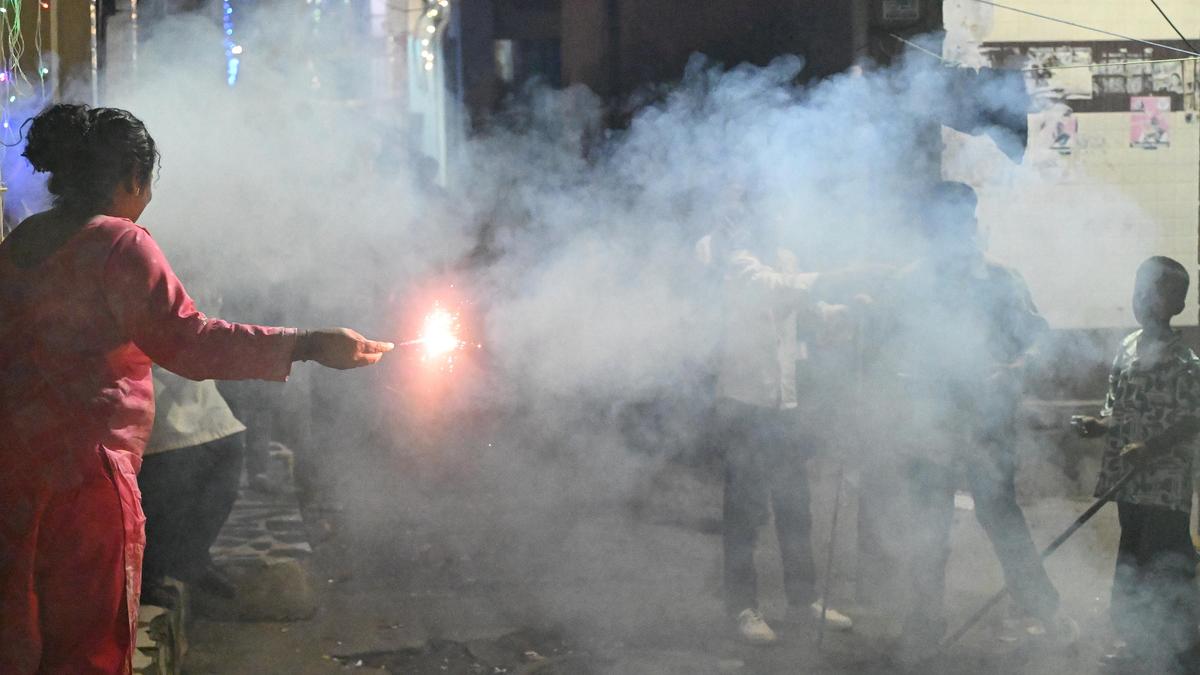
Delhi’s air quality significantly worsened on Deepavali night as intense fireworks activity led to a surge in pollution levels. Authorities and environmental experts have expressed concern over the spike in smog and its health implications for the city’s residents.
Delhi’s air quality worsened significantly on Deepavali night due to fireworks, leading to hazardous pollution levels and health warnings in the capital.
Delhi experienced a marked deterioration in air quality on the night of October 21, 2025, coinciding with Deepavali celebrations across the city. The vibrant festival, marked by widespread fireworks and firecrackers, contributed heavily to the sharp increase in pollutants, resulting in hazardous air quality levels in many parts of the capital.
According to data released by the Delhi Pollution Control Committee (DPCC), particulate matter concentrations (PM2.5 and PM10) soared well above the permissible limits immediately after nightfall. Measurements indicated that PM2.5 levels, considered especially harmful to respiratory health, increased by over 200% compared to the previous days. The air quality index (AQI) escalated to the ‘severe’ category in several areas, raising health warnings for vulnerable populations including children, the elderly, and individuals with pre-existing respiratory conditions.
Environmentalists and health experts have attributed this rapid spike primarily to the extensive bursting of firecrackers during Deepavali. “The combustion of crackling firecrackers releases large quantities of fine particulate matter and toxic gases, severely aggravating air pollution,” said Dr. Anil Kumar, an air quality specialist at the Indian Institute of Technology Delhi. “Such pollution not only reduces visibility but also poses serious health risks, including respiratory distress, cardiovascular problems, and aggravated asthma.”
While festivities traditionally involve fireworks, authorities had issued advisories ahead of the festival urging citizens to limit the use of firecrackers to reduce environmental and health impacts. Despite these warnings, a large number of residents engaged in firework activities, which compounded Delhi’s already fragile air quality situation during the post-monsoon season.
The Central Pollution Control Board (CPCB) had also implemented temporary measures in the weeks preceding Deepavali, including restrictions on industrial emissions and construction activities, to help minimize pollution levels. However, the surge in pollution due to firecrackers overshadowed these efforts.
Local authorities deployed air quality monitoring teams across strategic locations in the city and urged residents to stay indoors and use air purifiers where possible. Emergency services reported an uptick in respiratory complaints at hospitals and clinics. Public health messages were circulated through media channels advising people to wear masks and avoid outdoor activities during peak pollution hours.
The environmental impact of such pollution spikes extends beyond immediate health concerns. Experts warn of long-term ecological damage from the accumulation of heavy metals and toxic chemicals released by fireworks, which can contaminate soil and water sources.
In response to growing concerns, various non-governmental organizations and citizen groups are calling for stricter regulations on firecracker sales and usage, alongside increased public awareness campaigns promoting environmentally friendly ways to celebrate festivals.
As Delhi braces for days of poor air quality following Deepavali, officials emphasize the importance of collective responsibility in reducing pollution. The city’s air quality, already vulnerable due to vehicular emissions, industrial activities, and meteorological factors, faces severe challenges during festival seasons unless comprehensive mitigation strategies are adopted.
In summary, the Deepavali fireworks celebrations in Delhi on October 21, 2025, resulted in a significant deterioration of the city’s air quality, prompting health warnings and heightened environmental concerns. The spike highlights the urgent need for sustainable celebration practices to safeguard public health and the environment.