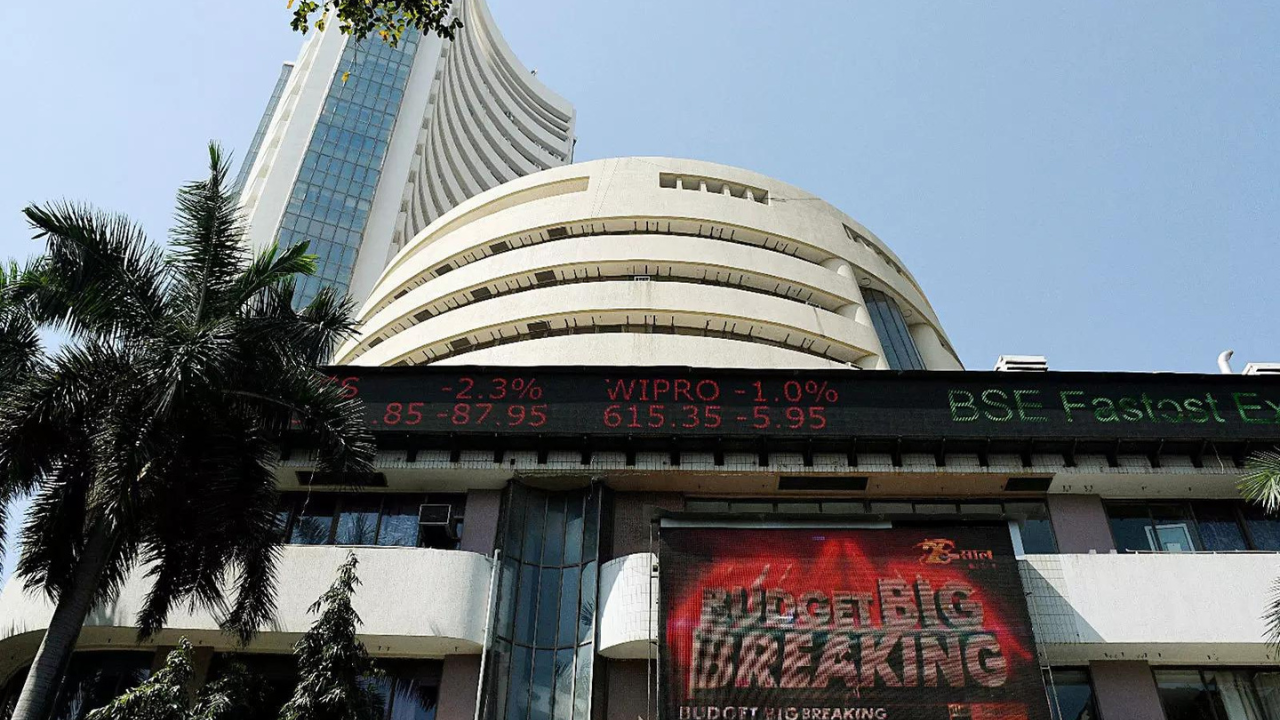
Domestic investors in India’s stock market have significantly increased their ownership stake, pushing the gap with foreign institutional investors to the highest level in 25 years. This shift reflects changing investment dynamics amid evolving market conditions and regulatory changes.
Domestic investors in India widen ownership over foreign funds to a 25-year high, reflecting shifting market dynamics and growing local participation.
Mumbai, November 6, 2025 – Domestic investors have extended their lead over foreign institutional investors (FIIs) in the Indian stock market, with the ownership gap reaching a 25-year peak. According to the latest figures released on Wednesday, Indian retail and institutional investors now hold a larger share of domestic equities compared to their foreign counterparts, a trend that has been gaining momentum over recent months.
The widening ownership divide is driven by increased participation from domestic mutual funds, insurance companies, and retail investors, amidst cautious foreign investment flows amid global economic uncertainties. Data from the Bombay Stock Exchange (BSE) and National Stock Exchange (NSE) indicate that domestic investors’ share of equity market capitalization has risen to nearly 60%, while foreign funds’ share has contracted to approximately 40%, levels unseen since the late 1990s.
Market analysts explain that this shift reflects a combination of factors including evolving regulatory frameworks encouraging domestic participation, currency volatility concerns deterring some foreign investors, and a growing confidence among Indian investors fueled by recent government reforms and robust corporate earnings.
Domestic Mutual Funds and Retail Participation Surge
One significant contributor to the rise in domestic ownership has been the expansion of mutual fund assets under management (AUM), which reached record levels this year. The mutual fund industry crossed the ₹40 lakh crore mark for the first time, buoyed by sustained inflows from retail investors and systematic investment plans (SIPs).
Financial experts note that the diversification of the investor base and an increase in financial literacy have empowered more Indian households to invest in equities directly or through funds. Insurance firms and pension funds have also ramped up equity investments, seeking higher returns amid low fixed-income yields.
Foreign Investment Trends and Global Context
Conversely, foreign institutional investors have scaled back their holdings in Indian equities partly due to global macroeconomic uncertainties, including rising interest rates in the US and geopolitical tensions. The rupee’s volatility has also made foreign capital cautious.
A senior market strategist commented, “While India remains an attractive long-term destination, foreign investors are currently adopting a more selective approach, balancing risks amid a complex external environment.”
Historical Perspective and Future Outlook
This expanding lead of domestic investors over foreign funds marks the largest ownership gap in a quarter-century, recalling a period in the late 1990s when markets were primarily driven by local capital. However, experts highlight that the increasing role of domestic investors contributes to market stability and reduces vulnerability to sudden foreign fund outflows.
Looking ahead, policymakers and regulators continue to encourage wider domestic participation, with initiatives aimed at simplifying investment processes and improving transparency. Meanwhile, foreign investors remain interested in India’s growth story but may wait for clearer signals from the global economy before increasing allocations.
In summary, the Indian equity market landscape is witnessing a decisive shift as domestic investors consolidate their presence, reshaping ownership patterns and influencing market dynamics. This evolution reflects both internal economic developments and external investment sentiment.
For investors and market watchers, monitoring the balance between domestic and foreign holdings will be crucial in understanding future trends and their implications for market performance.