Scientists have issued warnings that a massive solar storm, which recently caused severe disturbances to Venus, could soon impact Earth. The event has raised concerns due to its potential to disrupt satellites, power grids, and communication systems worldwide.
A powerful solar storm that disrupted Venus threatens Earth, raising concerns over potential impacts on satellites, power grids, and communications.
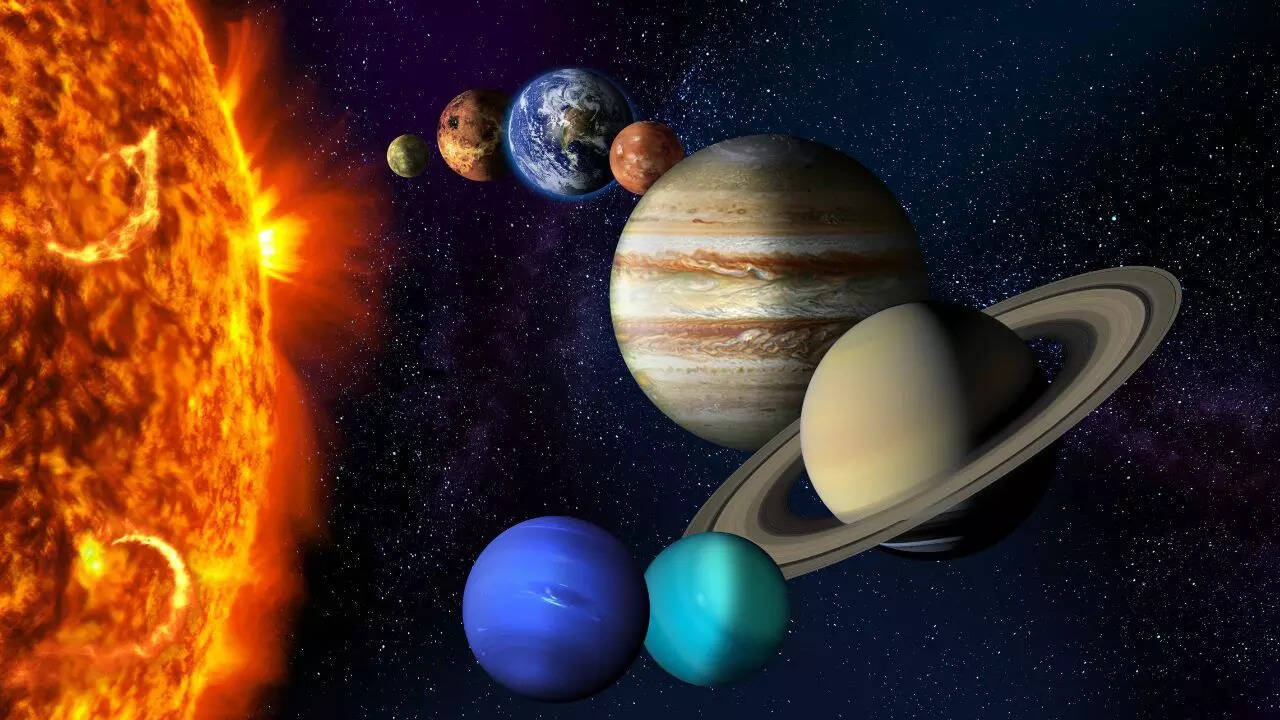
Scientists worldwide are monitoring a significant solar storm that recently devastated Venus and poses a potential threat to Earth in the coming days. The solar storm, caused by an intense coronal mass ejection (CME) from the Sun, struck Venus with unprecedented force, stripping away parts of its atmosphere and causing considerable atmospheric disturbances. Now, experts warn that a similar impact could be imminent on Earth, prompting heightened preparedness among space agencies and governments.
The solar storm originated from an active sunspot region identified last week, which unleashed a powerful CME traveling at millions of kilometers per hour through the solar system. Venus, being closer to the Sun than Earth, experienced the storm first, leading to atmospheric compression and the loss of charged particles. Observations from NASA’s Parker Solar Probe and ESA’s Solar Orbiter have provided detailed data on the event’s magnitude and trajectory.
Dr. Elena Ramirez, a solar physicist at the European Space Agency, explained, “This solar storm is one of the most intense we’ve observed in recent years. Venus bore the brunt due to its proximity to the Sun, but Earth lies directly in the storm’s predicted path. While our magnetic field offers some protection, the potential impacts on our technological systems cannot be underestimated.”
Potential Impacts on Earth
Solar storms of this intensity can disrupt satellite operations, degrade GPS accuracy, interrupt radio communications, and even cause widespread electrical grid failures if not properly managed. Power companies worldwide are coordinating with government agencies to implement protective measures, including temporarily shutting down vulnerable transformers and rerouting power loads.
In addition to terrestrial risks, astronauts aboard the International Space Station (ISS) have been alerted and instructed to take precautionary measures to minimize radiation exposure. Satellite operators are adjusting orbits and activating safety protocols designed to withstand increased solar radiation.
Historical Context of Solar Storms
Solar storms have periodically impacted Earth throughout history, with the Carrington Event of 1859 recognized as the most significant. This geomagnetic storm induced spectacular auroras and caused telegraph systems to fail across Europe and North America. Modern-day dependence on electronic infrastructure, however, means that similar storms today could result in far more severe disruptions.
Preparing for the Solar Storm
Agencies such as NASA, ESA, and the National Oceanic and Atmospheric Administration (NOAA) have been tracking the solar storm’s progression closely. Satellite imagery and solar wind data help refine predictions about the storm’s timing and intensity upon reaching Earth.
Public advisories urge the avoidance of unnecessary satellite-dependent activities during the storm’s peak and recommend preparedness for potential communication outages. Scientists emphasize the importance of continued research into solar weather phenomena to improve forecasting and mitigation strategies.
Conclusion
The solar storm that recently devastated Venus serves as a stark reminder of the Sun’s powerful influence on planetary environments within the solar system. With Earth now anticipated to face this tempestuous event, coordinated global efforts aim to minimize damage to infrastructure and ensure public safety. Ongoing observations will be critical in managing the threat posed by solar storms in our increasingly technology-reliant world.