India’s communications satellites are notably heavier compared to their global counterparts due to advanced technology and expanded capabilities. This article delves into the reasons behind their substantial weight, including payload capacity, fuel requirements, and design priorities.
Discover why India’s communications satellites are heavier than others, focusing on payload, fuel capacity, and design priorities fueling their robust performance.
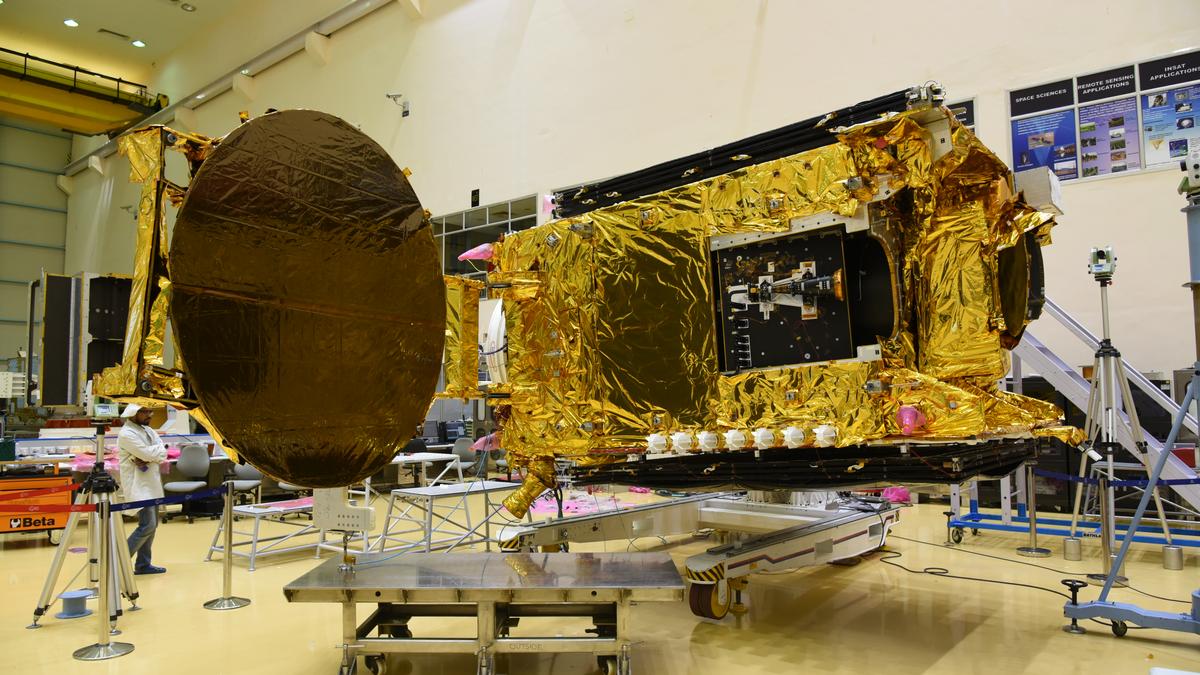
India has made significant strides in space technology over the years, particularly in the domain of communications satellites. However, a distinctive aspect that has drawn attention is the comparatively heavier mass of these satellites. As of November 2025, recent analyses and expert insights shed light on why India’s communications satellites tend to outweigh similar satellites launched by other countries. This article explores the factors contributing to the substantial weight of these satellites and what it signifies for India’s space ambitions. Communications satellites are vital components of a nation’s infrastructure, enabling telecommunication, broadcasting, internet services, and strategic communications. India’s satellites, developed primarily by the Indian Space Research Organisation (ISRO), have evolved from modest payloads to more sophisticated platforms. The heavier mass is attributed to several key reasons. First, Indian communications satellites are equipped with multiple transponders and payloads to serve a broad range of frequencies and services simultaneously. This necessitates a larger structure and additional power generation capacity, typically increasing satellite weight. Furthermore, the design incorporates considerable fuel reserves to ensure a longer operational life, often exceeding 15 years. This extra propellant adds significantly to the launch mass but guarantees sustained functionality in geostationary orbit. Additionally, India’s satellite programs often prioritize robustness and redundancy to maintain reliable services over diverse geographic regions, leading to integrated subsystems that contribute to the weight. Comparisons with other countries’ satellites reveal different design philosophies and compromises between payload functionality, lifespan, and launch costs. ISRO’s preference for heavier, multi-purpose satellites supports its goal to provide extensive telecommunications coverage across India and neighboring regions. The use of indigenous technology, while advancing rapidly, may also play a role in weight factors, as miniaturization and component optimization continue to mature. Experts highlight that although heavier satellites demand more powerful launch vehicles or increased expenditure on launch services, the benefits of enhanced service quality and extended mission duration offer strategic value. The heavy weight of Indian communications satellites is not merely a technical detail but reflects broader objectives encompassing national connectivity goals, technological self-reliance, and the desire for service continuity. ISRO’s ongoing efforts in developing the Next Generation Geostationary Satellite (GSAT) series aim to further optimize satellite design, balancing weight and performance as new materials and technologies become available. In conclusion, India’s communications satellites are heavier due to their comprehensive payload capabilities, extended operational lifespans supported by larger fuel reserves, and design choices that emphasize reliability and service reach. While this contributes to increased launch mass and costs, it aligns with India’s broader strategic intent to expand and consolidate its satellite-based communications infrastructure. The trend underscores the careful balancing act in satellite development between weight, capability, and cost that continues to shape India’s presence in space technology.