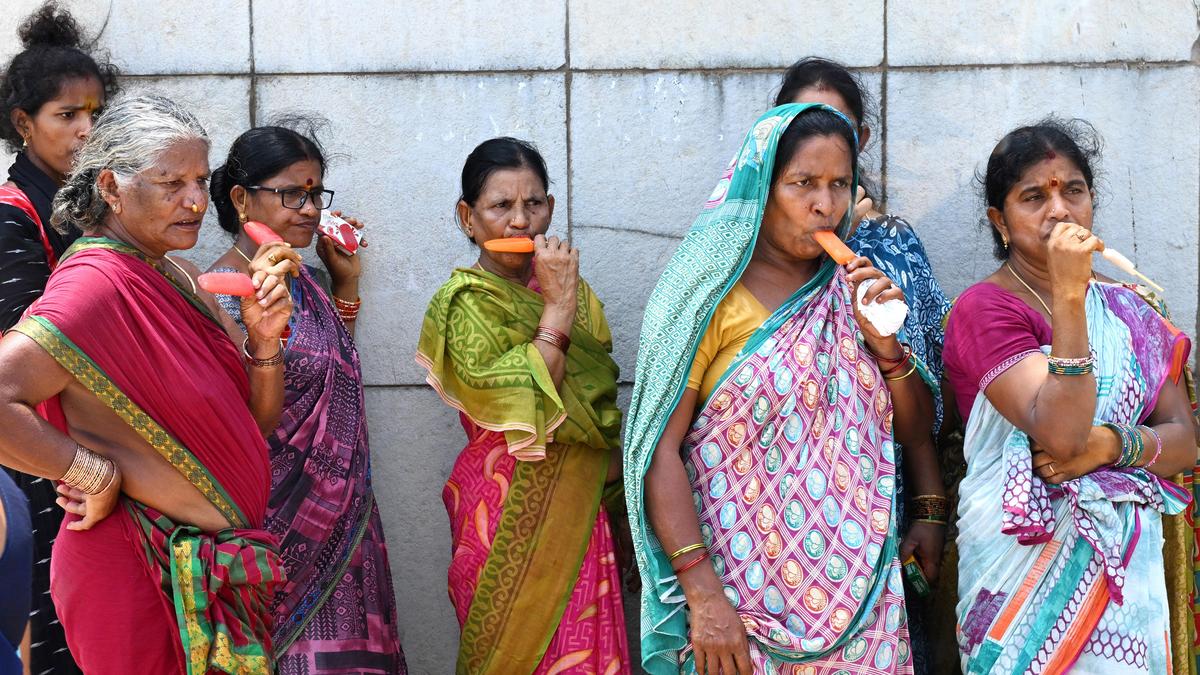
A recent study highlights that extreme heat conditions in the United States have led to higher sugar intake among socioeconomically disadvantaged groups. This raises concerns about similar patterns potentially emerging in India as climate change intensifies. Researchers emphasize the need to address the nutritional challenges posed by rising temperatures, particularly for vulnerable populations.
Extreme heat drives increased sugar consumption among disadvantaged groups in the US, prompting concerns about similar risks in India amid rising temperatures.
As global temperatures rise due to climate change, new research indicates a concerning trend: extreme heat is linked to increased sugar consumption among disadvantaged groups in the United States. Published on October 22, 2025, this study explores how rising temperatures influence dietary habits and raises the question of whether similar shifts could occur in India, where vulnerable populations face both climatic and economic challenges.
The study, covered by The Hindu, underscores that as heatwaves intensify and become more frequent, individuals from lower socioeconomic backgrounds tend to consume more sugary foods and beverages. This behavioral change can be attributed to various factors, including reduced access to healthier options, affordability issues, and physiological responses to heat stress that may increase cravings for sweets.
Experts warn that increased sugar intake exacerbates health disparities since high sugar consumption is linked to obesity, diabetes, and cardiovascular diseases—conditions that disproportionately affect disadvantaged communities. The findings carry significant implications for public health policy, especially in countries like India, where rapid urbanization and socioeconomic inequalities intersect with escalating temperatures.
Impact of Extreme Heat on Dietary Choices
Research into behavioral responses to heat stress has uncovered that extreme temperatures not only affect hydration needs but also influence preferences for sweetened foods. Dr. Anjali Sharma, a nutrition scientist not involved with the study, explains that “heat stress can alter appetite regulation and cravings, often leading individuals to seek quick energy sources like simple sugars.”
In the United States, the study observed that the frequency of heatwaves positively correlated with increased purchases of sugary snacks and drinks in economically disadvantaged urban areas. These findings highlight the relationship between environmental stressors and nutritional behavior, pointing to a hidden public health challenge intensified by climate change.
Socioeconomic Factors and Accessibility
The research emphasizes that the increase in sugar consumption during heat episodes is not universal but predominantly observed among low-income groups. Limited access to refrigeration, fresh produce, and healthier alternatives compels these populations to rely on cheaper, processed sugary foods. Additionally, these groups often lack adequate healthcare support to mitigate diet-related diseases.
Implications for India
India faces unique challenges due to its high population density, widespread poverty, and recurring heatwaves, making it prone to nutrition-related health risks exacerbated by climate change. Dr. Ramesh Gupta, an environmental health expert based in Delhi, notes, “Given the similarities in socioeconomic vulnerabilities and increasing temperatures, it is plausible that disadvantaged communities in India may exhibit similar increases in sugar intake as observed in the US.”
With India experiencing some of the highest recorded temperatures and frequent extreme heat events, understanding these behavioral shifts is crucial. Public health agencies may need to develop targeted interventions to address nutritional deficiencies and prevent worsening of chronic diseases linked to high sugar consumption.
Policy Recommendations
The study calls for integrated strategies combining climate resilience and nutritional education. Improving access to affordable, healthy food options and enhancing community awareness about heat-related health risks are vital steps. Moreover, urban planning and infrastructural improvements could alleviate heat exposure, thus reducing stress-induced behavioral changes.
Conclusion
The link between extreme heat and increased sugar intake in disadvantaged populations poses an emerging public health concern, amplified by climate change. Insights from the United States indicate the necessity of proactive measures in countries like India to prevent similar trends. Addressing the interplay of climate factors and nutrition can help protect vulnerable groups and promote equitable health outcomes amid rising global temperatures.