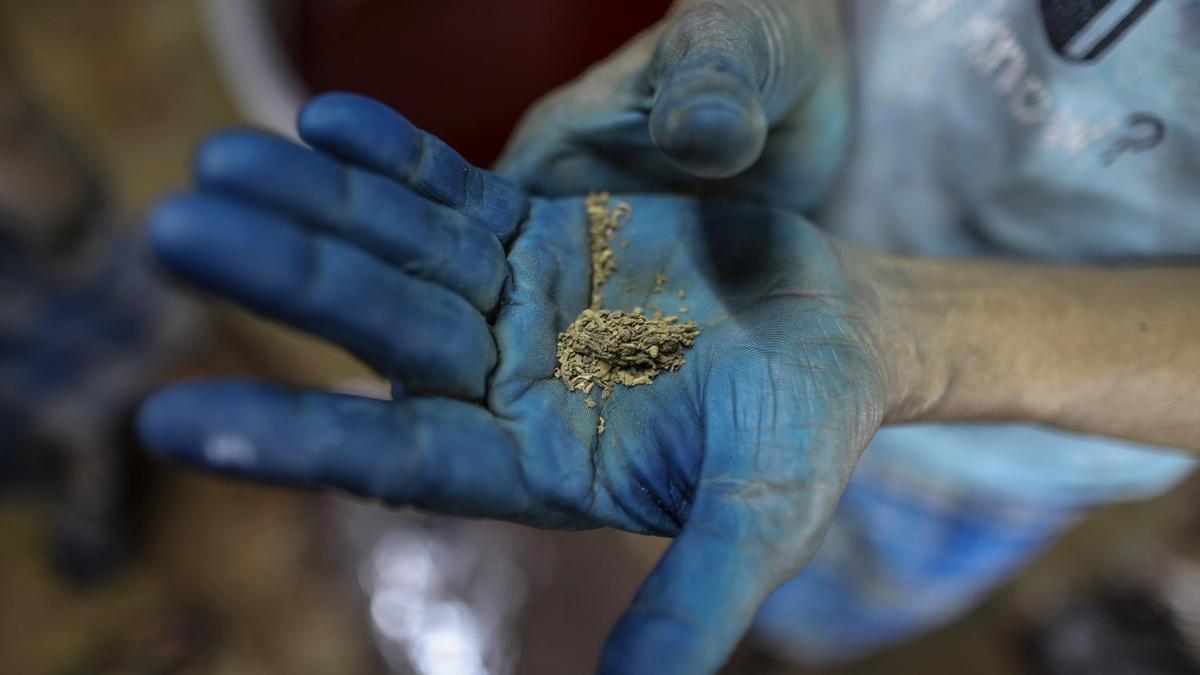
Researchers have identified key genetic factors contributing to the early onset of oral cancer among Indian tobacco chewers. The findings shed light on genetic predispositions that, combined with tobacco chewing habits, increase cancer risk.
Researchers identify key genetic factors linked to early oral cancer among Indian tobacco chewers, enabling improved screening and prevention strategies.
In a significant breakthrough in cancer research, scientists have pinpointed crucial genetic factors that contribute to the early development of oral cancer among Indian tobacco chewers. The study, published on December 1, 2025, highlights how certain genetic predispositions interact with tobacco chewing, a common habit in India, to accelerate oral carcinogenesis.
Oral cancer is a major health concern in India, where tobacco chewing is prevalent. According to health authorities, India accounts for a substantial percentage of global oral cancer cases, largely attributed to the widespread use of smokeless tobacco products. Researchers aimed to understand the genetic underpinnings that may explain why some individuals develop oral cancer at an earlier stage than others with similar exposure.
The study involved comprehensive genetic analysis of Indian tobacco users diagnosed with oral cancer. Scientists identified specific genetic markers and mutations that appear to increase susceptibility to malignant transformations in oral tissues when combined with the carcinogenic effects of tobacco chewing.
Lead researcher Dr. Anjali Mehta, a molecular oncologist, explained, “Our findings reveal that the presence of certain genetic variations significantly elevates the risk of early oral cancer among tobacco chewers. This insight allows for better risk stratification and could pave the way for personalized screening and preventive measures in high-risk populations.”
The research team employed advanced genomic sequencing techniques to analyze DNA samples from hundreds of patients across different regions in India, ensuring a diverse genetic pool. The study also considered environmental factors and lifestyle habits to isolate the genetic contributions effectively.
Oral cancer typically presents as lesions or ulcers in the mouth, which can progress to severe malignancies if untreated. Early detection is critical for improving survival rates, and understanding genetic risk factors helps clinicians identify vulnerable individuals sooner.
Public health experts emphasize that along with genetic risk, tobacco cessation remains paramount. “While genetics play a role, the primary cause is still tobacco use,” stated Dr. Rajesh Gupta, a public health specialist not involved in the study. “Combining genetic screening with anti-tobacco campaigns could significantly reduce the oral cancer burden in India.”
This study marks a step forward in personalized medicine for oral cancer, especially in regions with high tobacco usage. The researchers recommend integrating genetic testing into oral cancer screening programs and further investigation into targeted therapies based on genetic profiles.
In conclusion, the identification of genetic factors linked to early oral cancer among Indian tobacco chewers provides critical insights for medical research and public health policy. These findings underscore the necessity of combined efforts in genetic research, early diagnosis, and tobacco control to combat oral cancer effectively in India.