Godzilla Day 2025 highlights the enduring cultural significance of the iconic kaiju, using its story to examine the human impact on nature and the monsters humanity inadvertently creates. The celebration prompts reflection on environmental issues, technological advancements, and societal fears embodied by Godzilla.
Celebrate Godzilla Day 2025 by exploring the iconic kaiju’s lessons on humanity’s environmental impact and the monsters we create through technology and neglect.
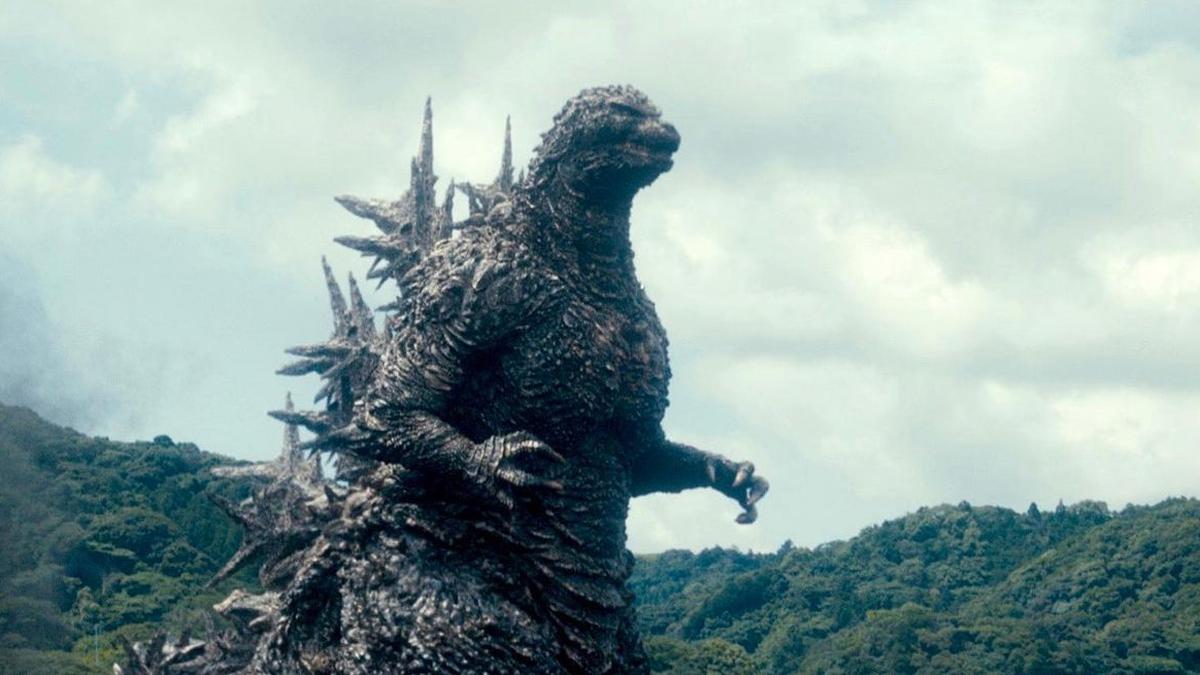
November 3, 2025 – As fans worldwide mark Godzilla Day 2025, attention returns to the iconic monster whose story has captivated audiences for nearly seven decades. Since its first appearance in 1954, Godzilla has evolved from a symbol of nuclear destruction to a broader metaphor for humanity’s complex relationship with the natural world and the consequences of its own actions. The day serves as both a celebration of the legendary kaiju and an opportunity for reflection on the themes underpinning its enduring popularity.
Origin and Evolution of Godzilla
Godzilla, the towering prehistoric sea monster awakened and empowered by nuclear radiation, first emerged in post-war Japan as a stark allegory of nuclear devastation. Created by Japanese filmmaker Ishirō Honda, the creature embodied societal fears following the atomic bombings of Hiroshima and Nagasaki. Over the decades, Godzilla’s cinematic portrayals have shifted, reflecting changing cultural and environmental concerns.
Today, Godzilla is not merely a destructive force, but a symbol of nature’s resistance against human arrogance and ecological imbalance. Modern films often depict the kaiju as a protector or an embodiment of natural disasters triggered by human interference, underscoring the creature’s role as a mirror to humanity’s impact on the planet.
Godzilla Day 2025: Celebrations and Cultural Impact
Each year on November 3, enthusiasts worldwide commemorate Godzilla Day, celebrating the character’s influence across movies, television, literature, and popular culture. Events include film screenings, panel discussions, fan gatherings, and exhibitions that explore the monster’s legacy and relevance.
This year’s observances particularly focus on how Godzilla resonates amid growing environmental challenges such as climate change, pollution, and biodiversity loss. Experts and fans alike emphasize the cautionary narratives embedded within the franchises that warn of unchecked technological advancement and its potential to create ‘monsters’ of our own making.
Expert Perspectives on Godzilla’s Lessons
Environmental scientists and cultural commentators often point to Godzilla as a symbol illustrating the unintended consequences of humanity’s quest for power. Dr. Mariko Saito, an environmental historian, notes, “Godzilla reminds us that our scientific progress, if not carefully considered, can unleash forces beyond our control, reflecting real-world issues like nuclear fallout and environmental degradation.”
Similarly, film critic James Harper reflects on the monster’s adaptability: “Godzilla’s enduring appeal comes from its ability to evolve with societal fears—from nuclear war to climate crisis—making it a relevant cultural icon that dialogues with contemporary anxieties.”
The Broader Metaphor: Monsters of Our Own Making
The 2025 observance also encourages a broader interpretation of Godzilla’s symbolism. Beyond the literal monster, Godzilla represents the consequences of human hubris, technological experimentation, and environmental neglect. The franchise’s stories question humanity’s role in creating catastrophic challenges, ranging from nuclear disasters to ecological collapse.
As technology advances rapidly, concerns about artificial intelligence, genetic modification, and environmental sustainability are increasingly prevalent. Godzilla’s narrative acts as a cultural touchstone for these anxieties, prompting discourse on how society confronts and mitigates the ‘monsters’ it may inadvertently create.
Conclusion
Godzilla Day 2025 underscores the enduring significance of the legendary kaiju as more than a cinematic monster. It symbolizes humanity’s ongoing struggles with the repercussions of its own technological and environmental decisions. Through its evolving narrative, Godzilla serves as a powerful reminder of the need for responsibility, reflection, and respect toward the natural world and the forces humanity unleashes.
The annual celebrations provide a platform not only for fans to honor a cultural icon but also for society to revisit crucial conversations about sustainability, technology, and collective impact. As Godzilla continues to roar through popular culture, it invites continued examination of the monsters we create and the futures we shape.