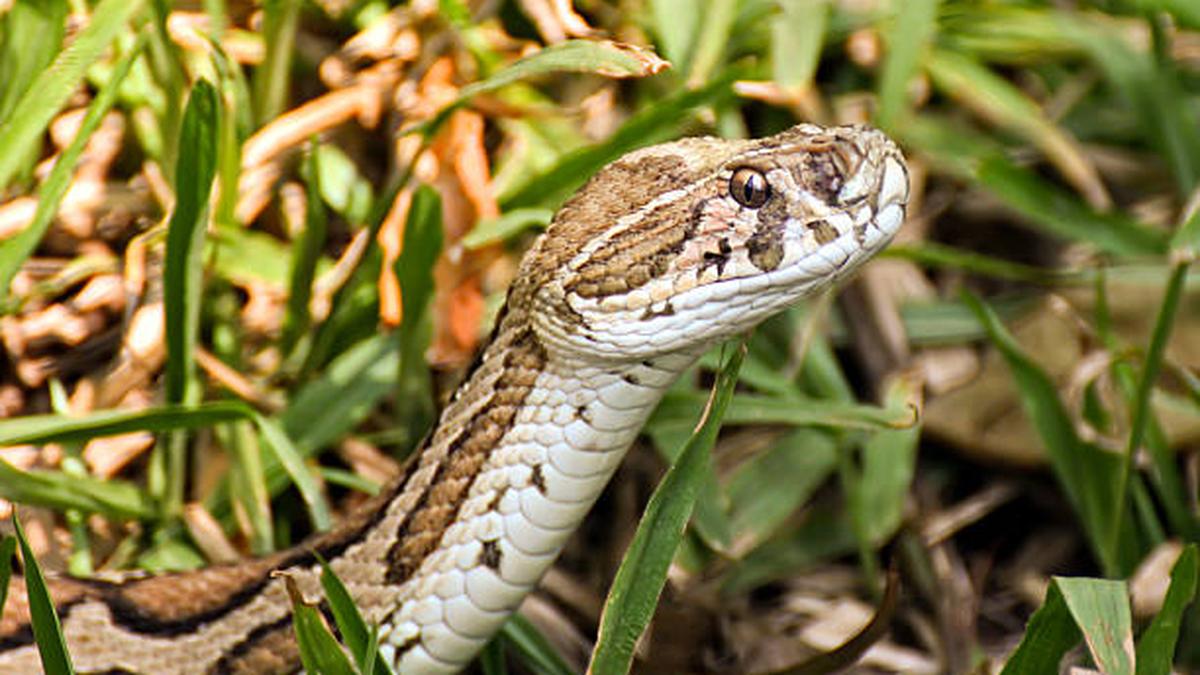
India continues to face a severe snakebite crisis, with high treatment expenses and insufficient medical training exacerbating fatalities, particularly among the poorest communities. Experts stress the urgent need for affordable antivenom and improved healthcare worker preparedness to reduce the staggering death toll.
India’s snakebite crisis worsens due to high treatment costs and poor medical training, disproportionately affecting the poorest rural communities.
India is grappling with an alarming snakebite crisis that disproportionately impacts its poorest populations due to high treatment costs and inadequate medical training. Despite being home to numerous venomous snake species, the country struggles to provide affordable and efficient care for snakebite victims, resulting in thousands of preventable deaths annually.
Snakebites are a significant public health concern in rural India, where agricultural workers and villagers are most vulnerable. According to recent data, the treatment expenses for snakebite victims can plunge families into deep financial distress, discouraging timely medical attention. Furthermore, many healthcare providers lack the necessary training to accurately diagnose and treat envenomation, leading to improper use of antivenoms and increased mortality rates.
The challenges begin with the accessibility and cost of antivenom serum, the primary treatment for venomous snakebites. Currently, antivenoms are expensive and often unavailable in remote areas where most snakebite incidents occur. Additionally, the polyvalent antivenoms commonly used may not be effective against all regional snake species, complicating treatment further.
Healthcare professionals have called for improved training programs to better equip frontline workers in managing snakebite cases. Dr. Anjali Mehta, a toxicologist based in Delhi, explains, “Proper identification of snake species and appropriate antivenom administration are crucial. Unfortunately, inadequate training means many patients do not receive the correct treatment promptly, significantly increasing fatality risks.”
Non-governmental organizations and government agencies have initiated awareness campaigns and training workshops in high-risk regions. However, experts acknowledge that these efforts need to be scaled up urgently to make a substantial impact.
In addition to medical challenges, the socioeconomic factors driving this crisis cannot be ignored. The majority of snakebite victims belong to low-income rural communities that depend on daily wages and have limited access to quality healthcare. Prolonged hospital stays and expensive treatments further strain their financial resources, resulting in delayed or avoided medical intervention.
The World Health Organization (WHO) recognized snakebite envenoming as a neglected tropical disease in 2017 and has since emphasized the need for global action. India’s response includes increased production of affordable antivenoms tailored to local snake species and deploying mobile health units to remote areas.
Despite these measures, experts emphasize the need for comprehensive strategies combining public education, healthcare infrastructure improvement, and affordable treatment availability. “Only through coordinated efforts can India reduce the staggering snakebite mortality and alleviate the burden on its most vulnerable citizens,” says Dr. Mehta.
In summary, India’s snakebite crisis remains a pressing health issue compounded by the high cost of treatment and gaps in healthcare training. Addressing these challenges is critical to lowering fatalities and providing equitable healthcare access to affected communities across the country.