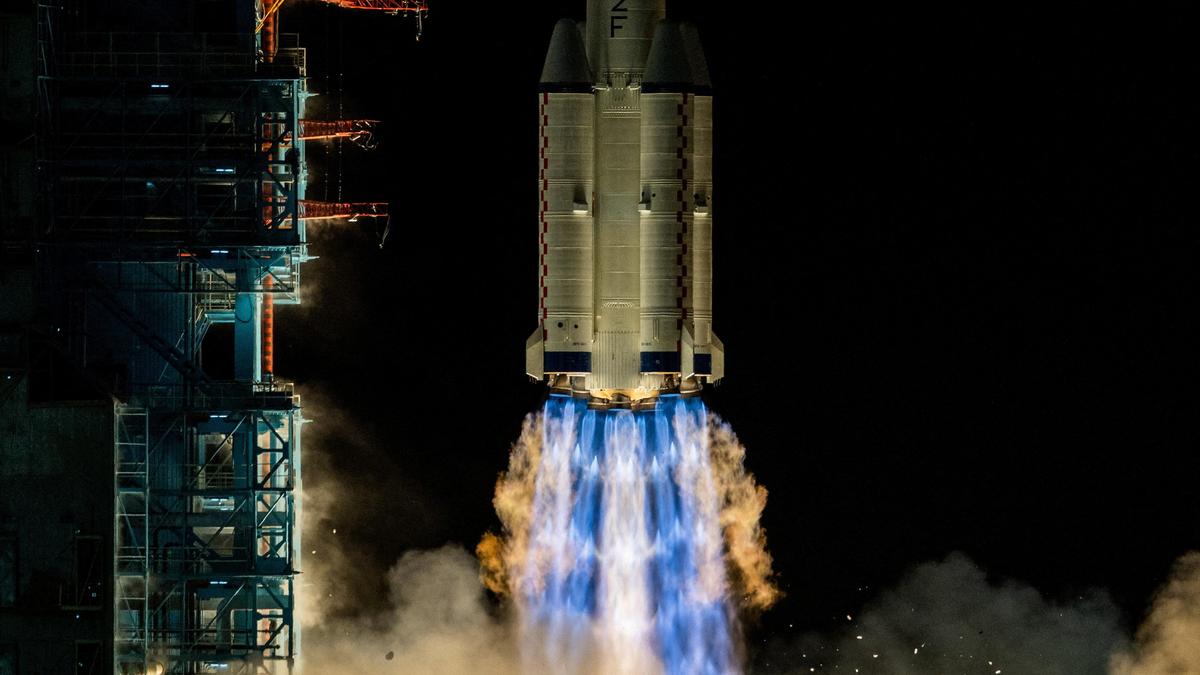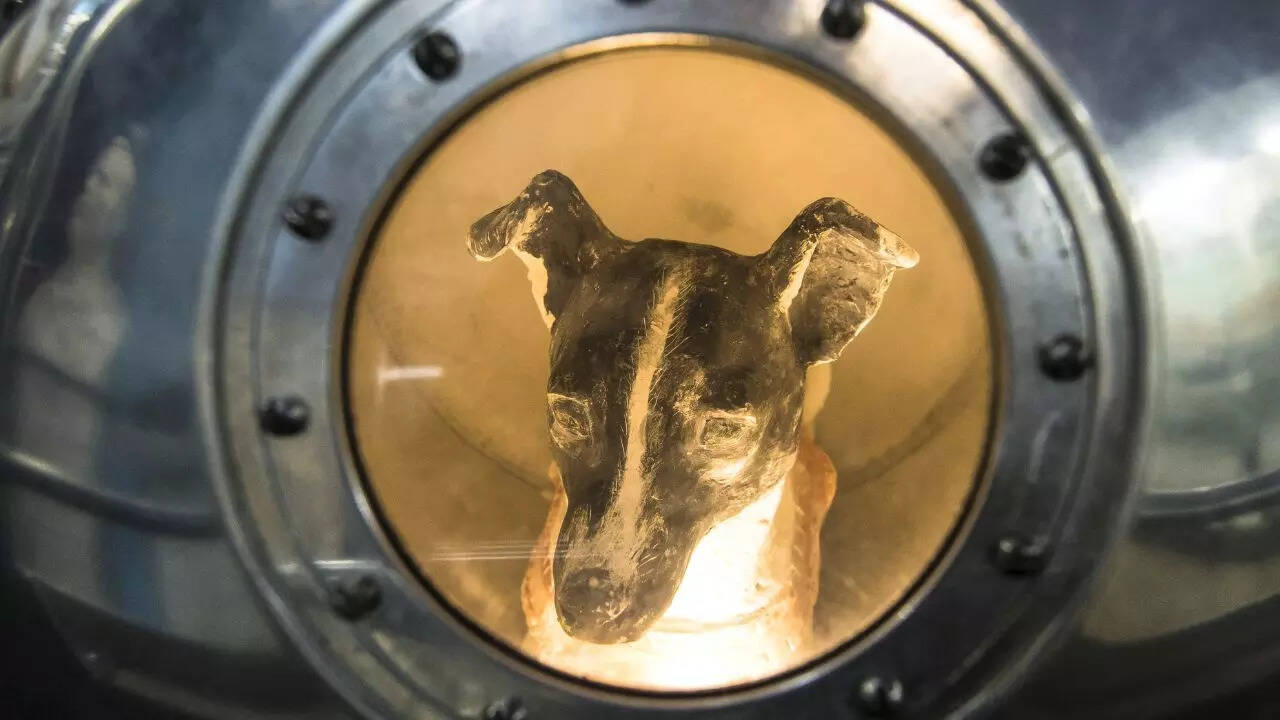
In 1957, Laika, a stray dog from Moscow, became the first animal to orbit Earth aboard Sputnik 2, marking a milestone in space exploration. Despite the mission’s success, Laika tragically never returned, highlighting the early risks of space travel.
Discover the story of Laika, the first animal in space in 1957, whose historic Sputnik 2 mission marked a milestone in space exploration but ended tragically.
On November 3, 1957, history was made when Laika, a stray dog from the streets of Moscow, became the first animal to orbit the Earth. Launched aboard the Soviet spacecraft Sputnik 2, this mission not only marked a significant achievement in the early years of space exploration but also raised important ethical questions about the use of animals in space research.
Laika’s Journey to Space
The Soviet Union selected Laika as the pioneer passenger for their second spacecraft shortly after the successful launch of Sputnik 1. Chosen for her small size and calm temperament, Laika was trained to endure the harsh conditions of space travel. The launch, which took place just weeks after Sputnik 1, was a demonstration of Soviet space capabilities during the intensifying Cold War space race.
Technical and Historical Context
At the time of Laika’s mission, no technology existed to bring a spacecraft back safely to Earth, making the mission inherently a one-way trip. The primary goal was to study the biological effects of spaceflight on a living organism, information critical before considering human space missions. Sputnik 2 orbited the Earth multiple times before Laika’s life ended due to overheating and stress.
Public Reaction and Legacy
Laika’s sacrifice captured the world’s attention and underscored the risks involved in exploring space. As the first living creature to orbit Earth, her mission laid foundational knowledge for human spaceflight but also sparked ongoing debate about animal welfare in scientific research. Various memorials and scientific commemorations remember Laika’s role as a pioneer in space history.
Conclusion
Laika’s 1957 mission aboard Sputnik 2 remains a landmark event in space exploration, highlighting both scientific progress and ethical considerations. Her flight demonstrated the possibilities and dangers of space travel, paving the way for subsequent human missions and our understanding of life beyond Earth.