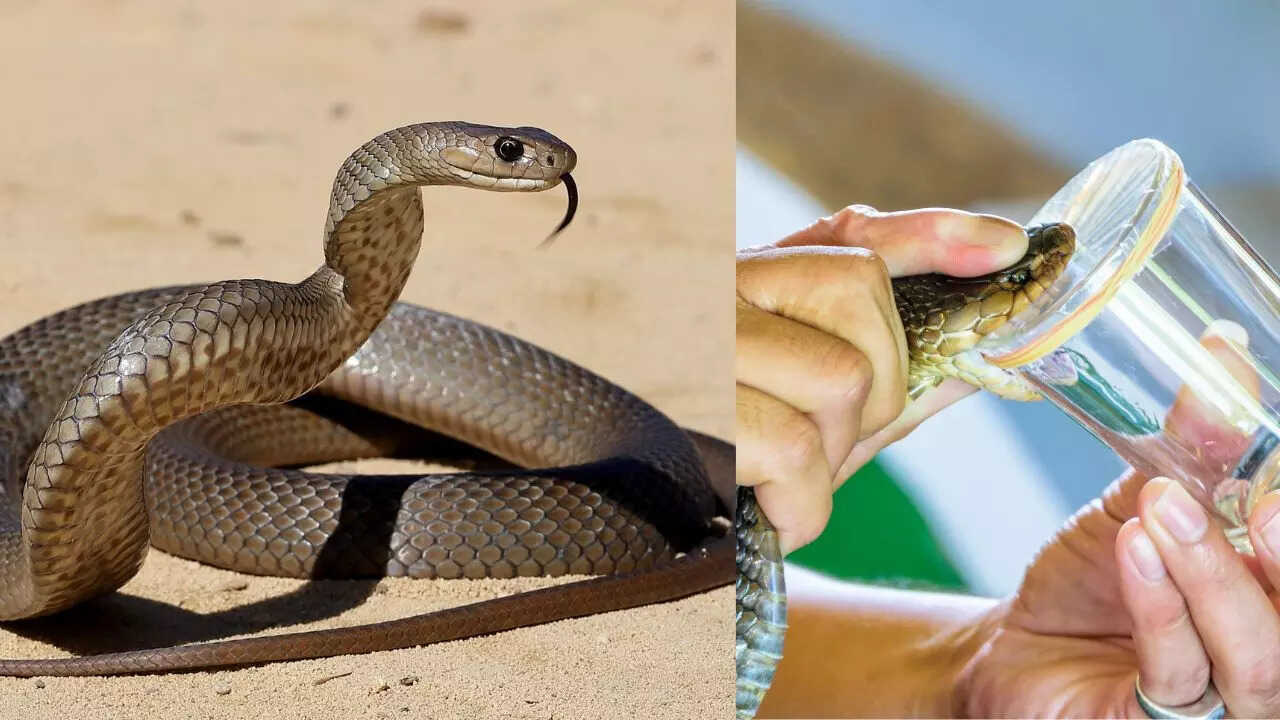
Experts are employing snake milking techniques to extract venom critical for producing antivenoms and life-saving medicines. This process, though risky, plays a vital role in combating snakebite fatalities worldwide.
Discover how experts use snake venom milking to harvest venom critical for developing life-saving antivenoms and medicines combating snakebite fatalities.
Snakebite envenomation remains a serious health threat in many parts of the world, causing tens of thousands of fatalities annually. However, a seemingly paradoxical solution involves the very venom that snakes inject to harm their victims. Through a specialized procedure known as snake venom milking, scientists and herpetologists extract venom from snakes to develop crucial antivenoms and other life-saving medicines. This process, carried out in controlled environments worldwide, is instrumental in transforming a deadly toxin into a therapeutic resource. This article delves into the methods, challenges, and medical significance of venom extraction from snakes, highlighting how such efforts are contributing to public health.
The Process of Snake Venom Milking
Snake venom milking is a meticulous technique performed by trained experts, often in research laboratories or venom production facilities. The procedure involves safely restraining a live snake and encouraging it to bite into a sterile collection vessel, typically a latex membrane covering a container, which collects the venom. The venom glands, located behind the snake’s eyes, are stimulated during this process, causing the expulsion of venom. Safety measures and specialized equipment minimize risk to handlers, but the operation requires significant skill and precautions given the inherent dangers of venomous snakes.
Importance for Antivenom Production
The extracted snake venom forms the foundational ingredient for manufacturing antivenoms, which are the only effective treatment for venomous snakebites. Antivenoms are produced by injecting small, controlled amounts of venom into host animals such as horses or sheep, prompting these animals to produce antibodies. These antibodies are then harvested and purified to create antivenom serum used in clinical treatments. Without the continuous supply of venom obtained through milking, the production of these life-saving medicines would be severely hampered, especially as demand remains high in regions with frequent snakebite incidents.
Global Implications and Health Impact
According to the World Health Organization (WHO), snakebite envenoming affects up to five million people each year, with approximately 81,000 to 138,000 deaths globally. Many victims come from rural and underserved communities where access to prompt medical care is limited. The development and availability of effective antivenoms are therefore critical to reducing mortality and morbidity rates. Countries with venomous snake populations, such as India, Brazil, and several African nations, have established venom extraction centers to support local antivenom production programs.
Challenges in Venom Extraction and Antivenom Development
While venom milking is vital, it poses several challenges. Maintaining the health and welfare of captive snakes is paramount, as is ensuring sustainable snake populations. Additionally, venom composition can vary not only between species but also geographically within species, complicating antivenom formulation. Advances in biotechnological methods and research into synthetic and recombinant alternatives are underway, aiming to complement traditional venom extraction and enhance treatment efficacy.
Expert Insights
Dr. Anjali Sharma, a herpetologist specializing in venom research, explains, “Venom milking is a delicate process that requires experience and respect for the animals involved. Our goal is to secure high-quality venom samples while ensuring the snakes remain healthy. This venom is indispensable in creating antivenoms that save thousands of lives each year.”
Conclusion
Snake venom, often feared for its deadly potential, plays a crucial role in modern medicine through the production of antivenoms via venom milking. This practice is a vital link in the chain of combating snakebite envenomation, a significant global health issue. Continued investment in safe venom extraction techniques, research, and antivenom development is essential to improve outcomes for snakebite victims worldwide.