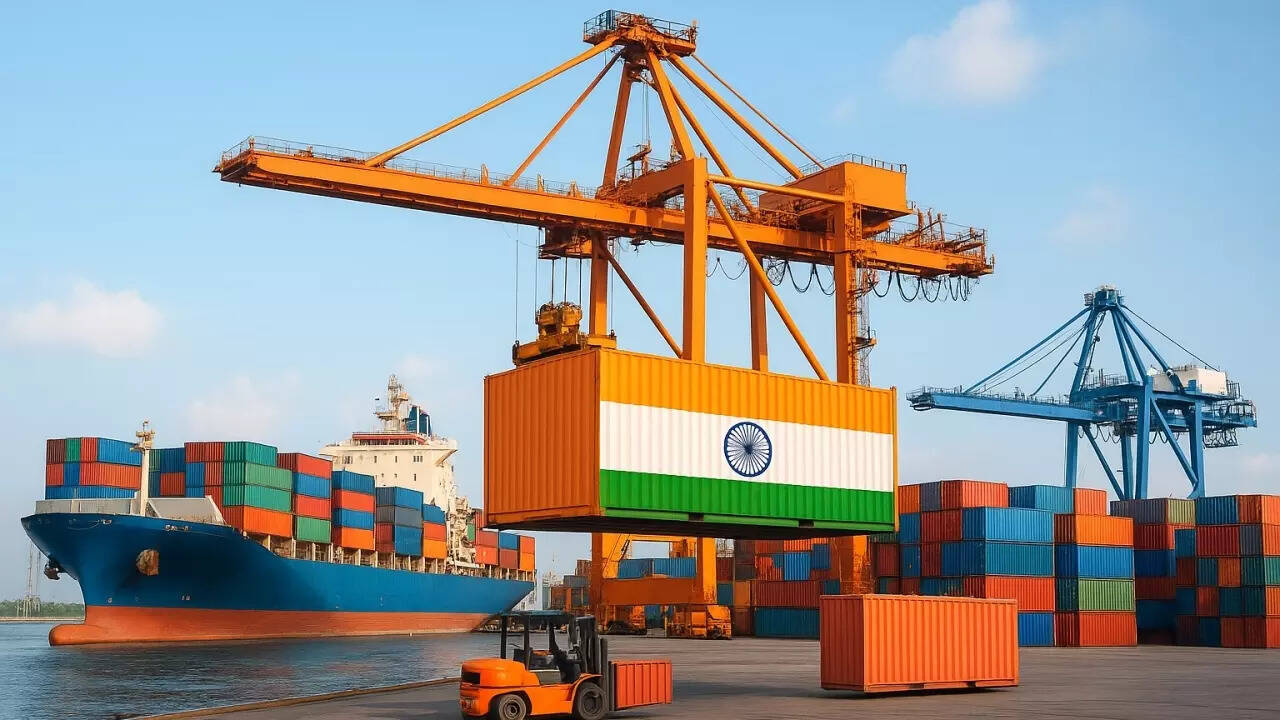
The imposition of 50% tariffs by the Trump administration on Indian exports poses a significant challenge to the Modi government’s export promotion mission. This article examines the key weaknesses and obstacles the Indian government faces in countering the economic impact amid rising trade tensions.
Trump’s 50% tariffs on India challenge Modi government’s export promotion efforts amid sectoral vulnerabilities and global trade uncertainties.
New Delhi, November 13, 2025 – The Trump administration’s recent decision to impose 50% tariffs on a range of Indian imports has sparked concerns over the future of India’s export growth and the efficacy of the Modi government’s export promotion strategy. Announced earlier this month, these steep tariffs target several key sectors, including textiles, gems and jewelry, and agricultural products, potentially undermining India’s trade competitiveness in the United States—the country’s largest export market.
The Modi government has long prioritized expanding India’s footprint in global markets through its Export Promotion Mission, which aims to enhance product quality, diversify export destinations, and strengthen supply chains. However, these newly imposed tariffs place the government’s efforts under increased pressure, exposing vulnerabilities in India’s export ecosystem.
Challenges to the Export Promotion Mission
One of the primary weaknesses highlighted by experts is India’s overreliance on a limited number of export sectors and markets. With the United States accounting for approximately 17% of India’s merchandise exports, the sudden tariff hike threatens a significant revenue stream. While the government has sought to diversify export markets, shifts toward newer destinations are gradual and cannot immediately offset losses incurred from U.S. tariffs.
Additionally, Indian exporters face structural issues, including limited technological upgrades, inadequate infrastructure, and compliance costs. These factors reduce the competitiveness of Indian goods and constrain the ability to absorb tariff-induced price shocks.
Economic analysts also point out that despite government incentives, many small and medium enterprises (SMEs) lack access to financing and technical support needed to adapt to changing trade dynamics. The Export Promotion Mission’s current framework is often criticized for insufficient outreach to these vulnerable exporters.
Government Response and Strategic Initiatives
In response to these challenges, the Modi administration has announced a series of measures aiming to mitigate the tariff impact. Key interventions include boosting domestic manufacturing under the Make in India initiative, negotiating trade agreements with alternative partners, and enhancing the export credit system to support affected exporters.
Trade Secretary, Anil Mehta, remarked, “The tariffs are a setback, but our commitment to strengthening India’s export capacity remains unwavering. We are exploring multiple avenues to ensure our exporters remain competitive internationally.”
The government is also intensifying efforts to upgrade quality standards and promote innovation within export-oriented industries. Partnerships with industry bodies and increased investment in export infrastructure are being prioritized to address supply chain bottlenecks.
Prospects Amid Global Trade Uncertainties
While the Modi government’s proactive stance provides some optimism, uncertainties remain regarding the duration and scope of the U.S. tariffs. The global trade environment continues to be volatile, with geopolitical tensions and protectionist trends affecting market access.
Experts suggest that fostering greater diversification in export markets, moving up the value chain, and improving product standards will be critical for India’s export resilience. However, these are medium- to long-term strategies, necessitating sustained government and private sector collaboration.
Conclusion
The imposition of 50% tariffs by the Trump administration presents a significant hurdle for India’s export ambitions and tests the effectiveness of the Modi government’s Export Promotion Mission. Structural weaknesses, sectoral concentration, and limited diversification compound the challenge. Although government measures offer a roadmap to counteract the impact, the path forward requires strategic adjustments and resilience amid an unpredictable global trade landscape.