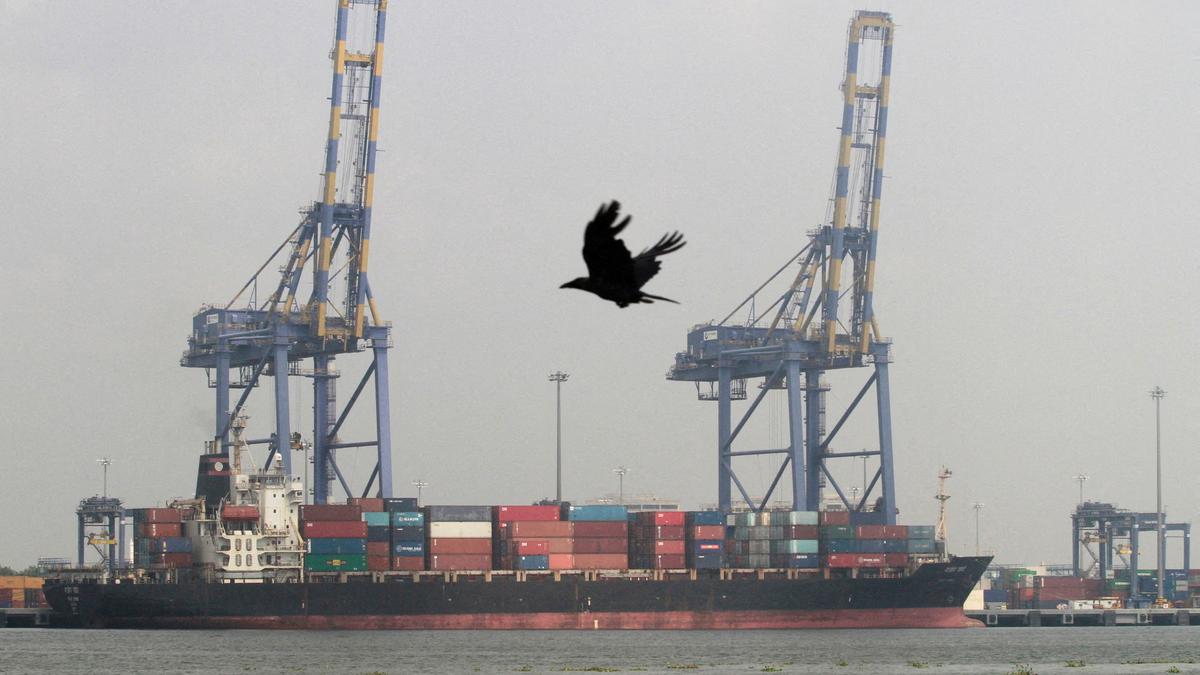
The Indian government, in its 2025 budget announcement, proposed the creation of a Maritime Development Fund with a corpus of ₹25,000 crore. This initiative aims to enhance the maritime infrastructure and support growth in the shipping and port sectors.
India’s 2025 budget proposes a ₹25,000 crore Maritime Development Fund to modernize ports and enhance shipping infrastructure, boosting the maritime sector.
In the Union Budget presented on February 1, 2025, the Government of India announced the establishment of a Maritime Development Fund with a substantial corpus of ₹25,000 crore. This move underscores the government’s commitment to bolstering maritime infrastructure and promoting sustainable growth in India’s shipping and port industries. The fund will be instrumental in funding key projects, modernizing ports, enhancing shipping capacities, and fostering blue economy initiatives.
Budget Highlights: Maritime Development Fund
The Maritime Development Fund, as proposed by the Finance Minister during the budget speech, is designed to address critical gaps in maritime infrastructure. With a capital base of ₹25,000 crore, the fund is expected to support infrastructure projects ranging from port modernization and expansion to advanced shipping facilities and connectivity improvements along India’s extensive coastline.
An official statement from the Ministry of Ports, Shipping and Waterways emphasized the significance of this initiative, stating that the fund will accelerate the pace of development and position India as a global maritime hub. The government highlighted that the fund would not only drive infrastructural growth but also generate employment opportunities and boost economic activities linked to maritime trade.
Strategic Importance of Maritime Sector Development
India’s strategic location along major international shipping routes makes the development of its maritime sector vital for trade and economic security. With approximately 95% of the country’s trade by volume handled through sea routes, enhancing port capacities and shipping connectivity is crucial for reducing logistic costs and boosting exports.
The Maritime Development Fund aims to integrate with broader government initiatives like Sagarmala, which focuses on port-led development and coastal community growth. By channeling financial resources through this fund, the government seeks to attract investment, improve cargo handling efficiency, and foster technological innovation within the maritime ecosystem.
Industry Reactions and Expert Opinions
Industry stakeholders have welcomed the budget announcement, recognizing the fund as a key enabler for unlocking India’s maritime potential. An executive from the Shipping Corporation of India remarked, “The dedicated funding for maritime infrastructure will provide much-needed impetus to our ports and shipping services, enhancing competitiveness on the global stage.”
Economic analysts noted that the fund is well-timed considering the increasing demand for maritime trade facilitation and the need to upgrade outdated infrastructure. However, they underscored the importance of transparent allocation and effective project implementation to fully realize the fund’s benefits.
Looking Ahead: Implementation and Impact
While the budgetary provision sets a strong foundation, the success of the Maritime Development Fund will largely depend on how swiftly and efficiently projects are identified and executed. The government has indicated plans to collaborate with state governments, port authorities, and private sector stakeholders for seamless deployment of the fund’s resources.
In conclusion, the introduction of the ₹25,000 crore Maritime Development Fund signals a significant boost to India’s maritime sector policy framework. It aligns with the country’s broader economic objectives by strengthening infrastructure, enhancing trade capabilities, and supporting sustainable maritime growth. As the fund progresses from planning to execution, its impact will be closely watched by industry participants and economic observers alike.