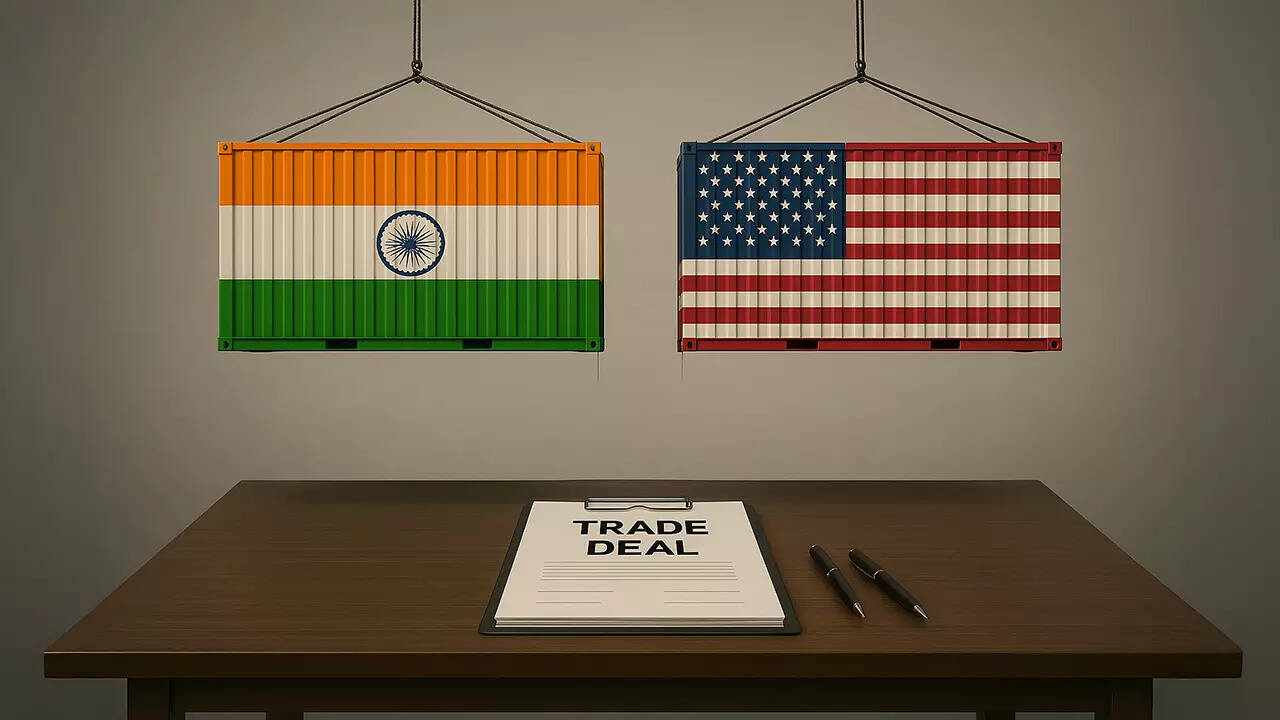
India’s Commerce Minister Piyush Goyal announced that India-US trade negotiations are in advanced stages, signaling significant progress toward a bilateral trade agreement. The deal aims to enhance trade ties, address tariff issues, and boost economic cooperation between the two countries.
India-US trade deal talks advance, with Commerce Minister Piyush Goyal confirming progress towards a bilateral agreement to enhance economic cooperation.
India and the United States are reportedly edging closer to finalizing a bilateral trade agreement, with Commerce and Industry Minister Piyush Goyal stating on October 31, 2025, that the talks are in their advanced stages. The developments come amid ongoing efforts to strengthen economic cooperation between the two countries amid growing global trade uncertainties.
According to Goyal, the discussions have covered critical areas such as tariff reductions, market access, and regulatory alignment. “We are in the advanced stages of talks with the US on a comprehensive trade deal. Both countries are keen on concluding the negotiations soon,” he said during a press briefing in New Delhi.
The proposed India-US trade deal is expected to revolve around enhancing bilateral trade in goods and services, resolving non-tariff barriers, and creating a framework that supports mutual economic growth. The agreement could potentially address sectors such as information technology, pharmaceuticals, agriculture, and manufacturing, reflecting the diverse trade relationship between the two nations.
Trade experts note that the deal could lead to the reduction of tariffs and simplification of customs procedures, benefitting exporters and importers on both sides. “Such an agreement would mark a pivotal step in boosting trade volumes that have shown promising growth in recent years,” said Rajiv Kumar, a Mumbai-based trade analyst.
Historically, India and the US have maintained a robust trade relationship, with bilateral trade surpassing $150 billion in the last fiscal year. However, differences over tariff policies, market access, and intellectual property rights have occasionally delayed formal agreements.
This round of negotiations comes amid a broader geopolitical context where both nations seek to diversify supply chains and enhance strategic economic partnerships. The deal is also anticipated to complement existing frameworks such as the Quad economic agenda and bilateral investment treaties.
Industry stakeholders have expressed cautious optimism about the deal’s potential impact. “If properly structured, the agreement could remove significant hurdles for Indian exporters and American businesses alike,” said Anjali Desai, CEO of Export Solutions India.
Government officials from both countries have remained tight-lipped on the exact timeline for concluding the trade agreement but have reiterated their commitment to an early resolution. The next round of talks is scheduled to take place in Washington D.C. next month, where technical teams are expected to finalize remaining issues.
In summary, the India-US trade deal is progressing steadily, with both sides demonstrating a shared intent to conclude negotiations. The agreement promises to deepen economic ties and create new opportunities for businesses across various sectors in India and the United States.