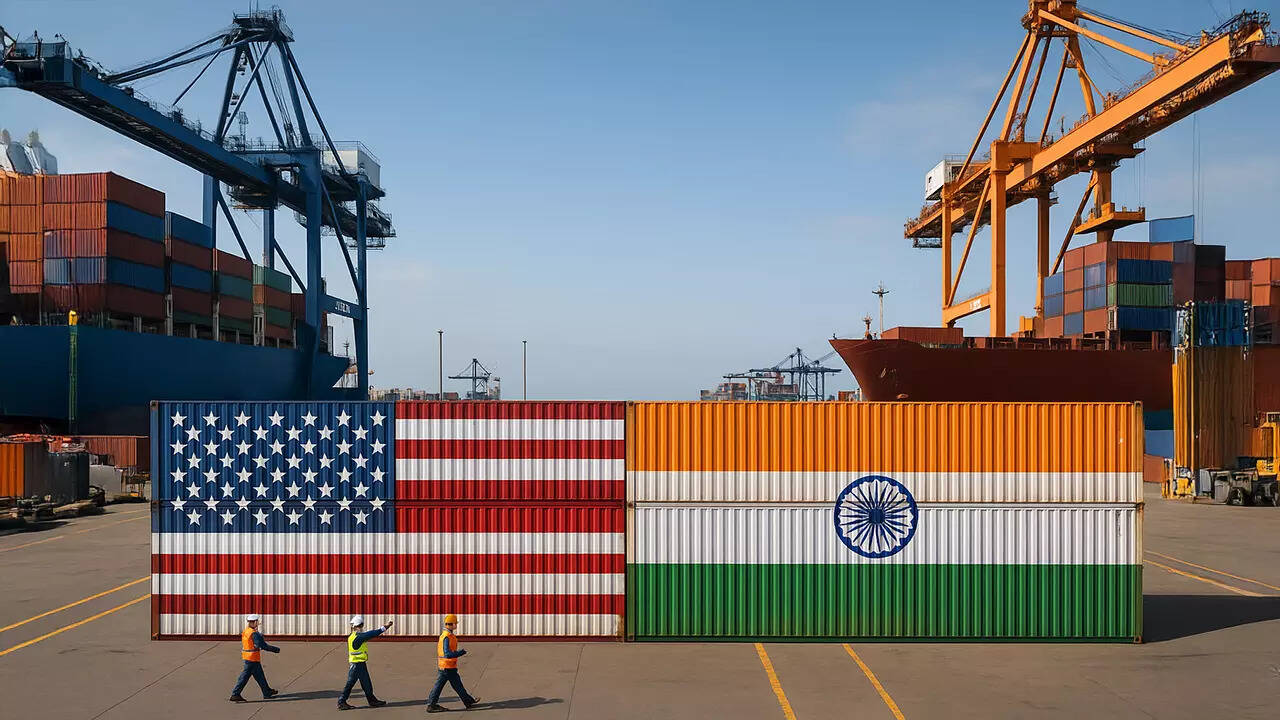
India’s Commerce Minister Piyush Goyal has indicated that a fair trade agreement between India and the United States is imminent, promising benefits for farmers, fishermen, and small industries. The deal aims to strengthen bilateral trade relations while safeguarding key domestic sectors.
India’s Commerce Minister Piyush Goyal signals imminent India-US trade deal focusing on farmers, fishermen, and small industries for balanced economic growth.
New Delhi — India’s Commerce and Industry Minister Piyush Goyal on Monday signaled that significant progress has been made towards finalizing a trade deal between India and the United States. Speaking to reporters, Goyal expressed optimism about reaching a ‘fair’ and balanced pact soon, highlighting that the interests of farmers, fishermen, and small-scale industries remain central to negotiations. The prospective agreement aims to bolster the decades-old economic relationship between the world’s third-largest economy and the largest, while ensuring protections for vulnerable domestic sectors. Negotiations have been ongoing through multiple rounds to address tariffs, market access, and regulatory issues. Goyal remarked, “Good news is on the horizon as soon as a fair deal is in place. Our focus has been on ensuring that farmers, fishermen, and small industries reap the benefits, given their critical role in India’s economy.” The minister emphasized that the government is committed to securing terms that balance trade liberalization with safeguarding livelihoods in agriculture and traditional industries. The deal is expected to cover key areas including agricultural exports, manufactured goods, services, and intellectual property rights. Both countries have mutually acknowledged the need to resolve outstanding trade barriers that have caused friction in previous years, aiming for enhanced market access and streamlined customs procedures. According to trade experts, an agreement could significantly increase bilateral trade volumes, which stood at approximately $120 billion in the recent fiscal year. India’s agricultural sector, employing over half the workforce, hopes to gain expanded access to the U.S. market for products such as rice, spices, and seafood. Fishermen and small industries stand to benefit from reduced tariff barriers and increased export opportunities as well. However, concerns remain among certain domestic groups wary of competition from large U.S. agribusiness and manufacturing entities. The government’s approach appears focused on striking a balance between embracing globalization and protecting local stakeholders. In addition to market access, intellectual property rights protections and standards harmonization represent other areas under active discussion. The final deal is anticipated to be announced after extensive consultations with industry representatives, farmers’ unions, and other stakeholders to ensure inclusivity. Analysts note the deal’s potential to strengthen the strategic partnership between India and the United States amid shifting global trade dynamics. Enhanced economic ties may also facilitate collaboration on technology, innovation, and sustainable development. The government plans to continue transparent communication with the public regarding progress and implications of the pact. In summary, India and the U.S. are progressing toward a comprehensive trade agreement that prioritizes fairness and inclusivity, particularly for small scale farmers, fishermen, and industries. The awaited deal seeks to deepen bilateral trade, support economic growth, and foster stronger strategic ties between the two countries.