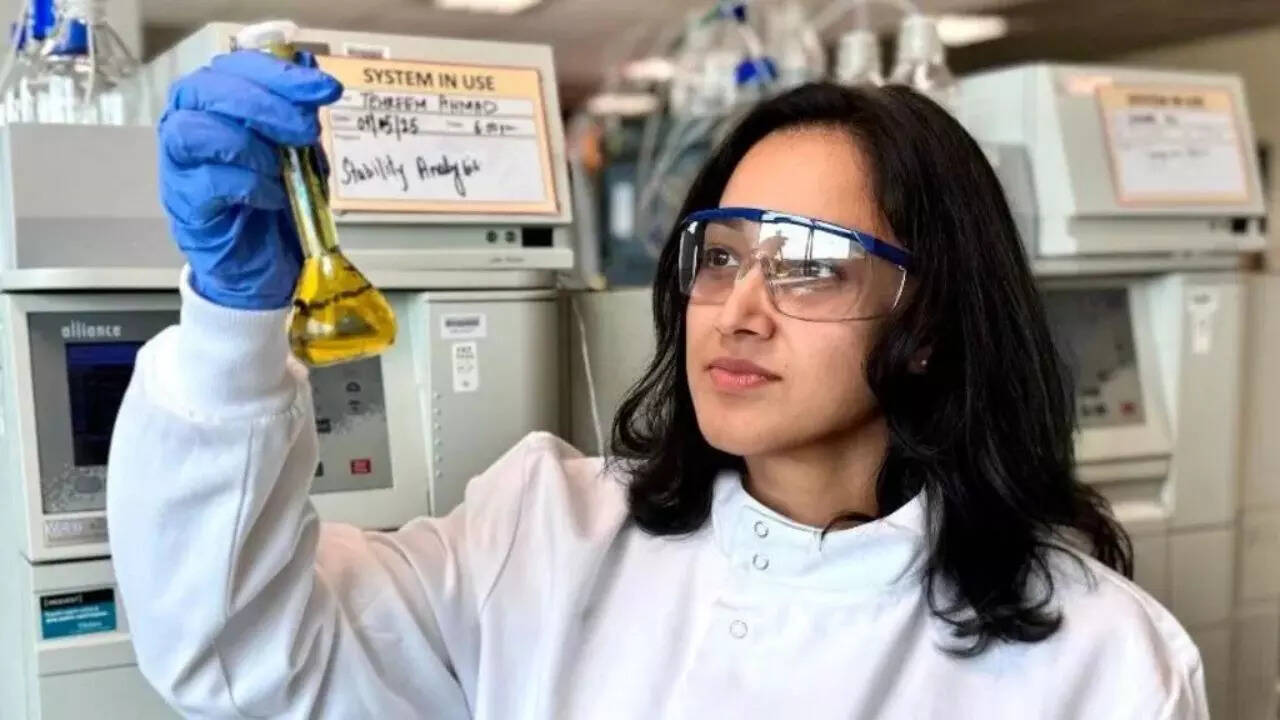
Dr Arathyram Ramachandra, an Indian-origin scientist, has been awarded a prestigious $3 million UK fellowship to advance his research on battery-free medical implants. The funding aims to develop innovative implantable devices that operate without batteries, potentially transforming medical treatment and patient care.
Indian-origin scientist Dr Arathyram Ramachandra wins $3 million UK fellowship to develop innovative battery-free medical implants transforming healthcare.
In a significant achievement, Indian-origin scientist Dr Arathyram Ramachandra has been awarded a $3 million fellowship by a leading UK research institution to advance his pioneering work on battery-free medical implants. The fellowship, announced on October 20, 2025, will support Dr Ramachandra’s efforts to develop innovative, self-powered implantable medical devices that could revolutionize healthcare by eliminating the need for batteries in such technologies. Dr Ramachandra, whose work focuses on biomedical engineering and materials science, plans to utilize this funding to explore next-generation medical implants capable of monitoring and treating various health conditions without reliance on conventional power sources. Traditional medical implants often require batteries that can limit device lifespan, necessitate replacements, and introduce risks of toxicity and device failure. The battery-free technology developed by Dr Ramachandra aims to overcome these limitations by harnessing alternative energy sources such as body heat or kinetic movement, enabling longer-lasting, safer implantable devices. The fellowship underscores the growing global interest in advancing biomedical technologies that enhance patient outcomes and reduce procedural complications. Experts in the field note that battery-free implants could improve patient comfort, reduce medical costs associated with device replacement surgeries, and expand the range of implantable applications. “This fellowship is a major milestone in our research journey,” said Dr Ramachandra. “Our goal is to create self-sufficient implantable devices that continuously monitor health conditions and deliver therapy without the drawbacks associated with battery-powered systems.” The UK-based fellowship program supports leading scientists in cutting-edge areas of research, providing substantial funding and resources to accelerate innovation. Dr Ramachandra’s achievement exemplifies the international collaboration and multidisciplinary approaches driving advancements in medical technology today. With this support, he aims to bring battery-free implantable devices closer to clinical application. His work holds promise for a wide range of medical fields, including cardiovascular health, diabetes management, and neurostimulation therapies. The development of reliable, efficient, and safe battery-free implants could mark a transformative step in personalized medicine and implantable device technology. This recognition also highlights the contributions of Indian-origin scientists to global scientific progress. Dr Ramachandra completed his education and early research in India before pursuing advanced studies and professional work abroad, exemplifying the international mobility and impact of highly skilled researchers. The $3 million fellowship will enable Dr Ramachandra and his team to expand laboratory capabilities, enhance prototyping, and conduct preclinical studies essential for translating their innovations from concept to clinical reality. The announcement has been welcomed by experts, healthcare professionals, and patient advocacy groups who anticipate that these developments could alleviate existing challenges in implantable medical devices. As research advances, Dr Ramachandra’s work is poised to influence the future of medical implants and open new pathways for treatment options that prioritize safety, longevity, and patient quality of life.