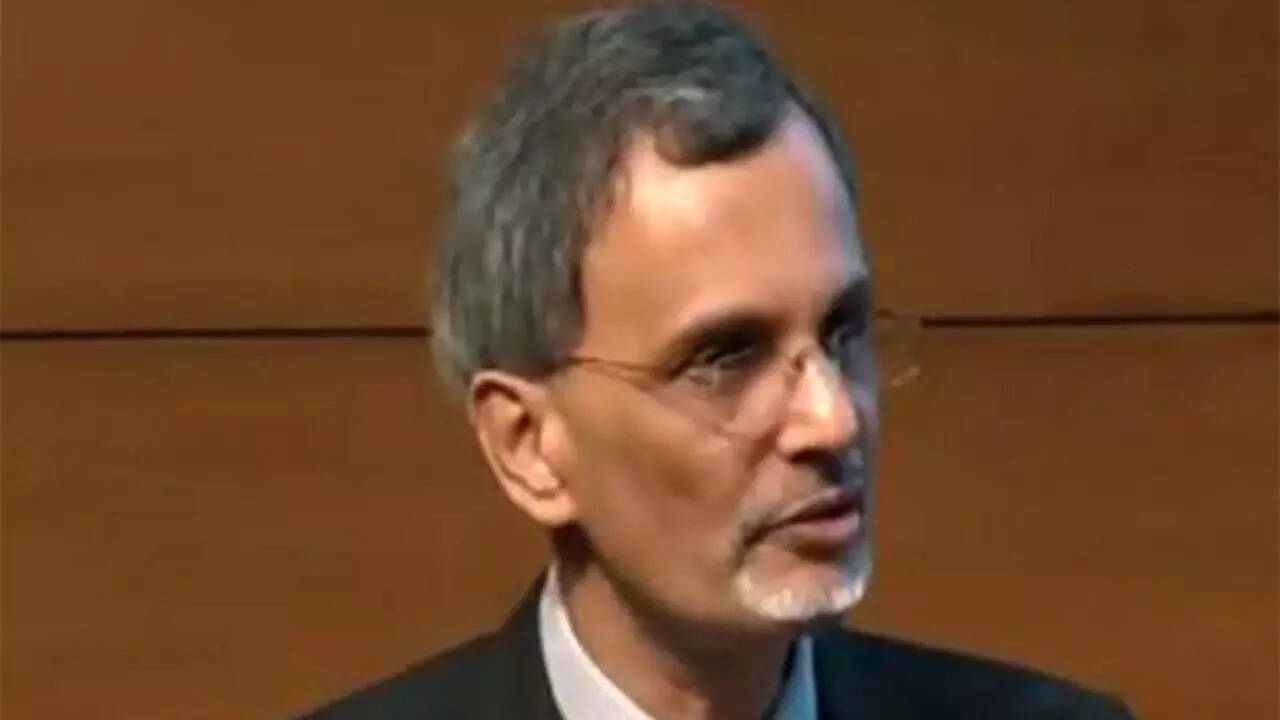
India’s Chief Economic Adviser, Mr. N. S. Vishwanathan Nageswaran, has forecasted economic growth exceeding 6.8% for the fiscal year 2025-26. The positive outlook is attributed to recent government measures including Goods and Services Tax (GST) cuts and tax relief aimed at stimulating consumption and investment.
India’s Chief Economic Adviser forecasts GDP growth above 6.8% in FY26, boosted by GST rate cuts and tax relief measures driving consumption and investment.
New Delhi, November 7, 2025 – India’s economy is poised to grow at a rate north of 6.8% in the fiscal year 2025-26, according to the country’s Chief Economic Adviser (CEA), N. S. Vishwanathan Nageswaran. Speaking at a press briefing on Thursday, Nageswaran highlighted recent government policy initiatives such as reductions in Goods and Services Tax (GST) rates and targeted tax relief measures as key drivers behind the optimistic growth forecast.
Robust Economic Outlook Supported by Policy Reforms
The CEA emphasized that India’s GDP growth momentum remains strong despite global economic uncertainties and inflationary pressures. “The fiscal 2026 outlook is upbeat, bolstered by fiscal and monetary policy measures which are designed to boost consumption and investment,” Nageswaran stated. He noted that calibrated GST cuts across various sectors have enhanced affordability for consumers and competitiveness for businesses, thereby stimulating demand.
Mr. Nageswaran also pointed to the government’s strategic tax relief efforts that aim to increase disposable incomes and encourage private investment. These reforms are expected to help sustain economic activity and employment generation.
Context: India’s Recent Economic Performance
India has been one of the fastest-growing major economies globally, with a reported GDP growth rate of 6.1% in FY24. The government’s focus on structural reforms, infrastructure development, and digitalization has underpinned this growth trajectory. Recent data from the Ministry of Statistics indicates steady improvements in manufacturing output, services sector expansion, and rising exports.
GST Reform and Tax Relief Details
Since the implementation of GST in 2017, the government has been making periodic rate adjustments to optimize revenue and ease the tax burden on consumers and businesses. The latest cuts announced earlier this year include reduced GST rates on essential consumer goods and key industrial inputs, aiming to lower input costs for manufacturers and prices for end users.
In tandem, the government introduced a suite of tax relief measures, including enhanced deductions on investments, rationalized income tax slabs, and incentives for startups and small businesses. These measures are intended to improve liquidity for households and entrepreneurs, thereby catalyzing spending and capital formation.
Expert Analysis and Market Response
Economists have generally welcomed the CEA’s positive growth outlook, citing the government’s proactive policy stance. Dr. Anjali Mehta, an economist at the Indian Council for Research on International Economic Relations, commented, “The combination of GST rationalization and targeted tax relief is expected to provide a significant multiplier effect on the economy, helping India sustain robust growth despite external challenges.”
Financial markets reacted favorably to the optimistic forecast, with benchmark indices gaining on increased investor confidence in the economy’s prospects.
Outlook and Challenges Ahead
While the growth projection above 6.8% signals optimism, the CEA cautioned that sustained expansion depends on managing inflation, global geopolitical tensions, and ensuring fiscal discipline. “Continued policy vigilance and structural reforms remain critical to maintaining growth and macroeconomic stability,” he said.
Conclusion
India’s Chief Economic Adviser Nageswaran’s forecast of GDP expansion exceeding 6.8% in FY26 reflects the government’s effective use of GST adjustments and tax relief measures to stimulate the economy. This growth outlook underscores India’s resilience and potential as a leading emerging market, supported by ongoing reforms aimed at boosting consumption and investment. Policymakers and stakeholders will now focus on ensuring that these growth drivers translate into broad-based and sustainable economic advancement.