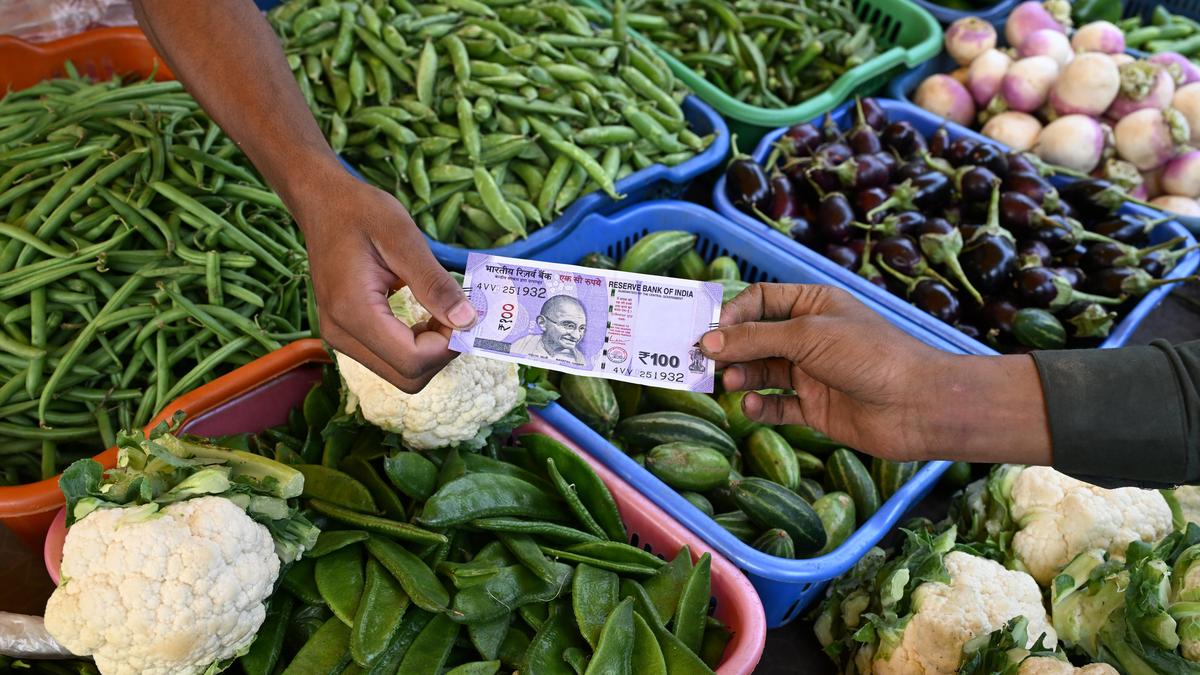
India’s retail inflation plunged to a record low of 0.25% in October 2025, driven largely by a statistical anomaly in food price data. The Consumer Price Index (CPI) figures released by the government highlight the temporary nature of this dip amid ongoing economic challenges.
India’s retail inflation fell to a record low of 0.25% in October 2025 due to a statistical anomaly in food prices, signaling temporary moderation amid ongoing inflation pressures.
India’s retail inflation rate dropped sharply to a record low of 0.25% in October 2025, the lowest in recent history, according to data released on November 12, 2025. This significant decline was primarily attributed to a statistical anomaly affecting food prices, which make up a substantial share of the Consumer Price Index (CPI).
The Ministry of Statistics and Programme Implementation (MoSPI) reported that the retail inflation rate, measured by the CPI, fell well below expectations, underscoring unusual price dynamics during the month. Economists and market observers noted that the dip reflects temporary factors rather than an underlying improvement in inflation trends.
Food prices, which constitute nearly 45% of the CPI basket, saw an unexpected moderation due to high base effects and seasonal adjustments, contributing significantly to the drop in overall retail inflation. Vegetables and pulses in particular registered lower price increases compared to the corresponding period in 2024.
“The statistical anomaly in food inflation for October 2025 is responsible for this sharp decline in overall retail inflation. However, structural inflationary pressures persist across other sectors,” stated a senior economist with a leading financial institution.
Core inflation, which excludes volatile food and fuel components, remained steady at approximately 6%, indicating continued price pressures in services and manufactured goods. Fuel inflation also showed modest increases, reflecting global oil price volatility earlier in the year.
The Reserve Bank of India (RBI) has been closely monitoring inflation trends to guide its monetary policy decisions. With retail inflation dipping unexpectedly, analysts speculate that the RBI may adopt a cautious stance in upcoming policy reviews, balancing growth support with inflation control.
Historically, sharp fluctuations in food prices have influenced headline inflation figures in India, often driven by weather-related crop yields, supply chain disruptions, and geopolitical factors. The present anomaly underscores the need for a nuanced interpretation of monthly inflation data.
Despite the record low inflation reading, underlying economic indicators suggest that inflationary pressures remain a concern, especially given recent global commodity price trends and domestic demand conditions. This context is critical for policymakers aiming to maintain price stability while fostering economic growth.
The Indian government continues to implement measures to manage inflation, including buffer stock releases and monitoring supply chains for essential commodities. The statistical anomaly in October provides temporary relief but does not alter the broader inflation trajectory.
In summary, October 2025’s retail inflation rate of 0.25% marks a historic low, primarily due to a statistical anomaly in food prices within the CPI framework. Stakeholders emphasize that this decline should be viewed cautiously, considering persistent core inflation and other economic factors influencing India’s price environment.