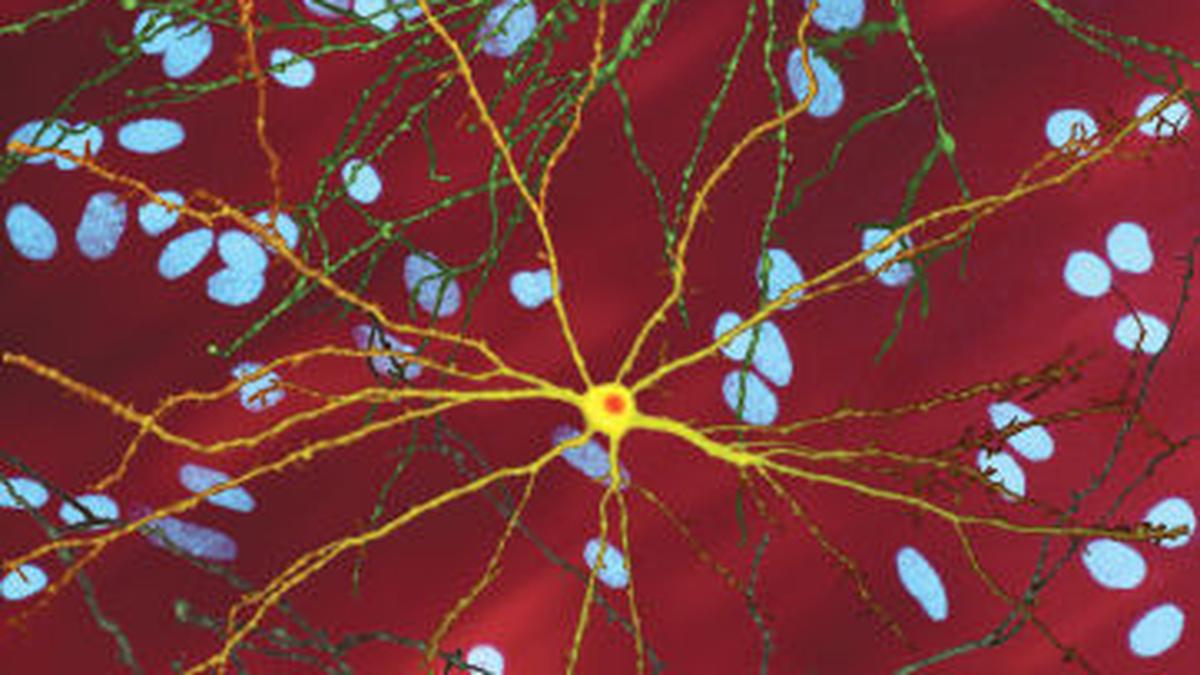
Researchers and families affected by Huntington’s disease are pioneering rhythm-based approaches to manage symptoms and improve quality of life. Combining scientific research with community engagement, these efforts highlight new therapeutic avenues for this degenerative neurological disorder.
Researchers and families in Chennai use rhythm-based therapies to improve motor function and quality of life for Huntington’s disease patients.
CHENNAI, India — On October 29, 2025, researchers and families confronting Huntington’s disease are turning to rhythm and music as innovative tools to manage the debilitating effects of the condition. This neurodegenerative genetic disorder, which affects movement, cognition, and emotional stability, traditionally has limited treatment options. However, emerging studies show that rhythm-based therapies can help improve motor function and emotional well-being, offering new avenues for care.
Huntington’s disease (HD) is characterized by gradual deterioration of nerve cells in the brain, leading to symptoms such as involuntary movements, impaired coordination, and cognitive decline. Globally, thousands are affected, with many families struggling to navigate its progressive nature. In Chennai, a growing collaboration between scientists, clinicians, and affected families has given rise to community-driven programs integrating rhythmic exercises and music therapy.
“Rhythm engages multiple brain areas simultaneously and can help synchronize motor function,” explained Dr. Anil Kumar, a neuroscientist specializing in movement disorders at the National Institute of Mental Health and Neurosciences (NIMHANS). “Our recent trials demonstrated that patients participating in guided rhythmic sessions exhibited improved gait stability and reduced choreic movements over a span of six months.”
These findings align with international research which suggests that auditory and rhythmic cues can facilitate movement coordination in neurological diseases such as Parkinson’s and Huntington’s. The Chennai initiative, however, distinguishes itself by deeply involving family members, recognizing their role in sustained therapeutic support.
Families like that of Meena and Rajesh, whose son was diagnosed with Huntington’s at age 30, have become active participants in these programs. “Initially, we felt helpless watching the disease progress,” said Meena. “But engaging in these rhythm sessions together has not only helped my son’s mobility but also brought our family closer. It gives us hope and a way to contribute actively to his care.”
The integration of scientific research and community engagement has led to the establishment of rhythm clubs across several neighborhoods in Chennai. These clubs provide structured sessions involving drumming, clapping, and rhythmic walking exercises tailored to individual capacities. Additionally, psychological support and genetic counseling are offered to families to address the multifaceted challenges of Huntington’s disease.
While rhythm therapy is not a cure, it has emerged as a valuable complementary approach enhancing patients’ quality of life. Dr. Kumar emphasizes, “Combining pharmacological treatments with rhythm-based interventions can create a holistic care model. Our objective is to empower patients and families, slowing symptom progression and maintaining autonomy as long as possible.”
Experts caution that more large-scale studies are needed to quantify the long-term benefits of rhythm therapy in Huntington’s disease conclusively. Nonetheless, the promising outcomes in Chennai underline the potential of innovative, community-oriented strategies in tackling complex neurological disorders.
As global awareness of Huntington’s disease grows, initiatives like this highlight the critical intersection of science, therapy, and social support. Through rhythm and resolve, researchers and families alike are charting a hopeful path forward in the face of a challenging diagnosis.