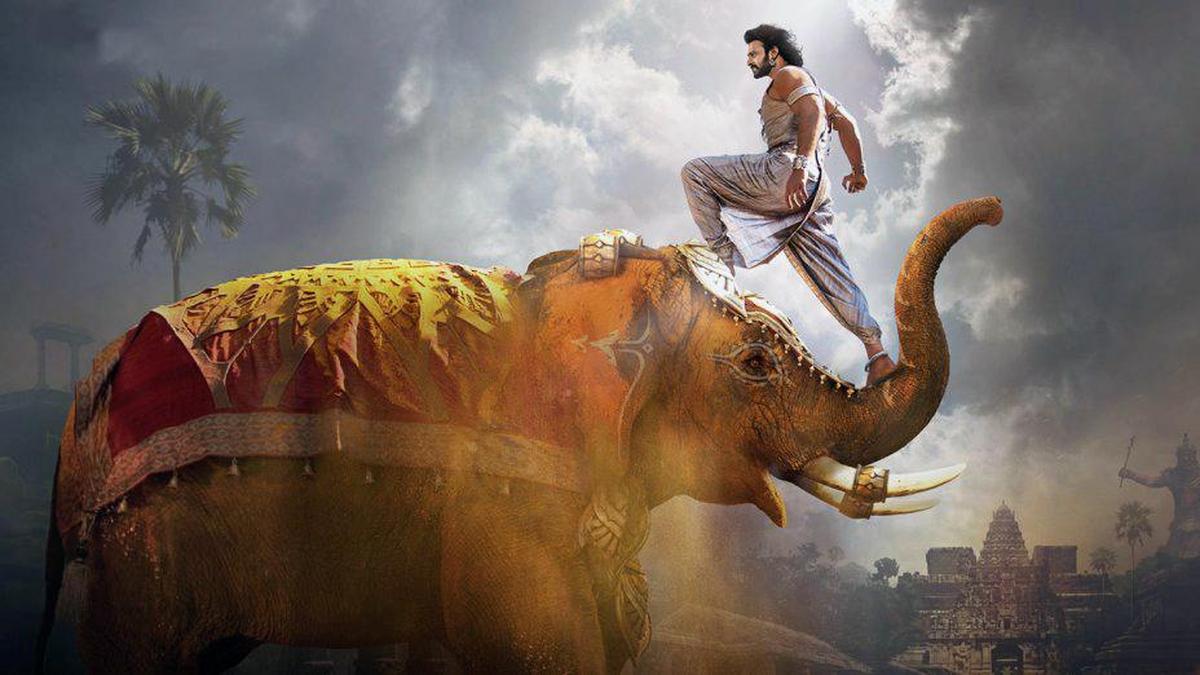
The iconic Baahubali duology by SS Rajamouli has been meticulously archived, digitally remastered, and re-edited, enhancing the visual and auditory experience. Producer Shobu Yarlagadda and cinematographer Senthil Kumar discuss the extensive process behind preserving and upgrading the epic films for contemporary audiences.
Explore how SS Rajamouli’s Baahubali duology was digitally remastered and re-edited with expert insights from producer Shobu Yarlagadda and cinematographer Senthil Kumar.
SS Rajamouli’s Baahubali duology, celebrated as a cinematic milestone in Indian cinema, has undergone a meticulous process of archiving, digital remastering, and re-editing to bring a refreshed experience to audiences worldwide. The producer Shobu Yarlagadda and cinematographer Senthil Kumar recently detailed the extensive efforts and technical expertise invested in this endeavor, which aims to preserve the legacy of the epic films while enhancing their appeal for future generations.
The remastering project began with comprehensive archiving of the original film reels and digital assets, a task that required careful handling given the films’ scale and intricate production details. “Preserving the original footage with utmost care was our first priority,” said Shobu Yarlagadda, highlighting how safeguarding the visual integrity was fundamental before embarking on any digital enhancements. The extensive archives included raw footage, sound recordings, and visual effects elements that formed the backbone of the Baahubali series.
Following archiving, the films underwent state-of-the-art digital remastering. This process involved color grading adjustments, resolution enhancements, noise reduction, and repairing any footage degradation that occurred over time. Cinematographer Senthil Kumar elaborated on the challenges faced during remastering: “Baahubali’s sweeping landscapes and elaborate set designs demanded a detailed and nuanced approach to color correction and visual clarity. We strived to retain the original aesthetic vision of SS Rajamouli while embracing the capabilities of modern technology.” The result is a high-definition visual output that maintains the grandeur and immersive storytelling that defined the original releases.
Alongside visual enhancements, the audio components were also revisited and refined. The sound design was elevated through modern mixing techniques to provide a more dynamic and enveloping auditory experience. This ensures that viewers receive both visual and auditory elements of the films in their optimum form.
The re-editing phase, while respectful of the original narrative and structure, allowed the filmmakers to fine-tune transitions and pacing where necessary, responding to audience feedback from the initial releases. The objective was to deliver a cohesive and engaging viewing experience without altering the essence of the original story.
This remastered edition of the Baahubali duology is set for re-release, appealing not only to longtime fans but also new audiences discovering the franchise. The project represents a blend of preservation and innovation, celebrating the films’ cultural impact while embracing contemporary cinematic standards.
In conclusion, the digital remastering and re-editing of SS Rajamouli’s Baahubali duology signify a substantial achievement in film preservation and restoration. Through the combined efforts of producer Shobu Yarlagadda, cinematographer Senthil Kumar, and the technical teams, the epic saga continues to captivate viewers with enhanced visuals and sound, ensuring its place in cinematic history remains enduring and accessible.