The Indian Space Research Organisation (ISRO) has announced that the NASA-ISRO Synthetic Aperture Radar (NISAR) satellite will be officially declared operational on November 7, 2025. This joint Earth observation mission aims to advance scientific understanding of environmental changes through cutting-edge radar technology.
ISRO announces NISAR satellite to be operational on November 7, 2025, enhancing Earth observation and climate monitoring through advanced radar technology.
The Indian Space Research Organisation (ISRO) is set to declare the NASA-ISRO Synthetic Aperture Radar (NISAR) satellite operational on November 7, 2025, as announced by ISRO Chief during a press briefing on November 5. The announcement marks a significant milestone in India-US space collaboration, aimed at enhancing Earth observation capabilities for monitoring environmental and ecological dynamics.
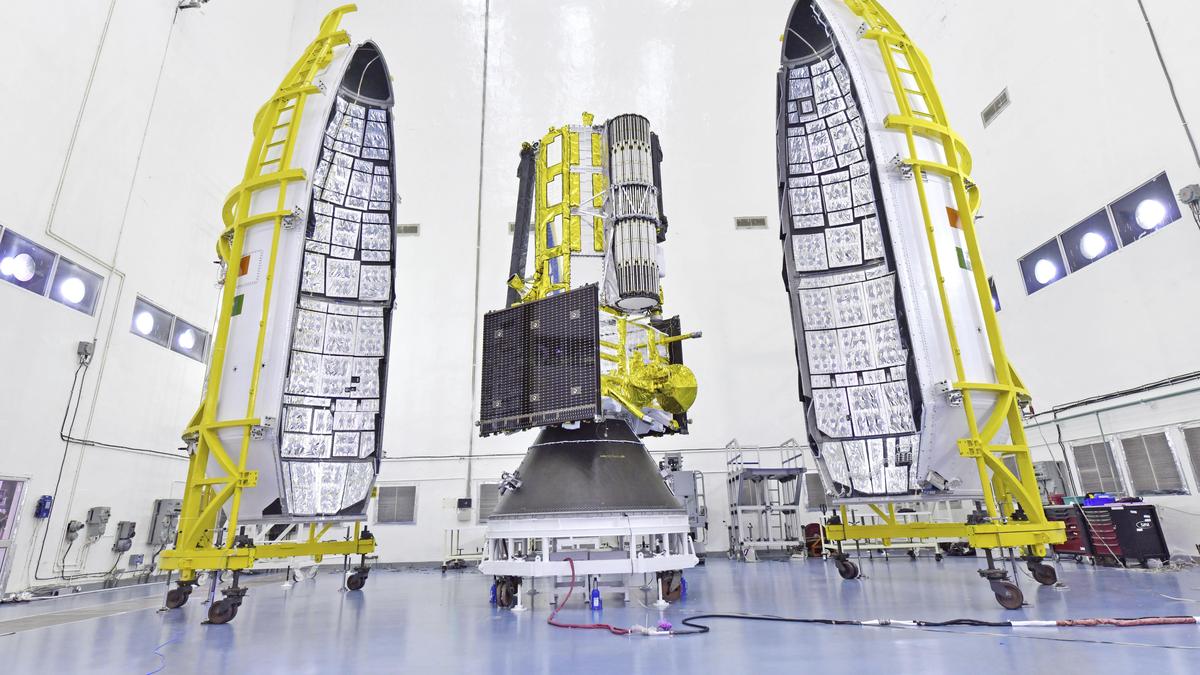
NISAR is a joint mission between ISRO and the National Aeronautics and Space Administration (NASA) designed to map Earth’s surface with unprecedented precision using dual-frequency radar technology. By employing L-band and S-band synthetic aperture radar instruments, NISAR will provide consistent, high-resolution data regardless of weather conditions or time of day, enabling scientists to track changes in ice sheets, forest cover, natural disasters, and more.
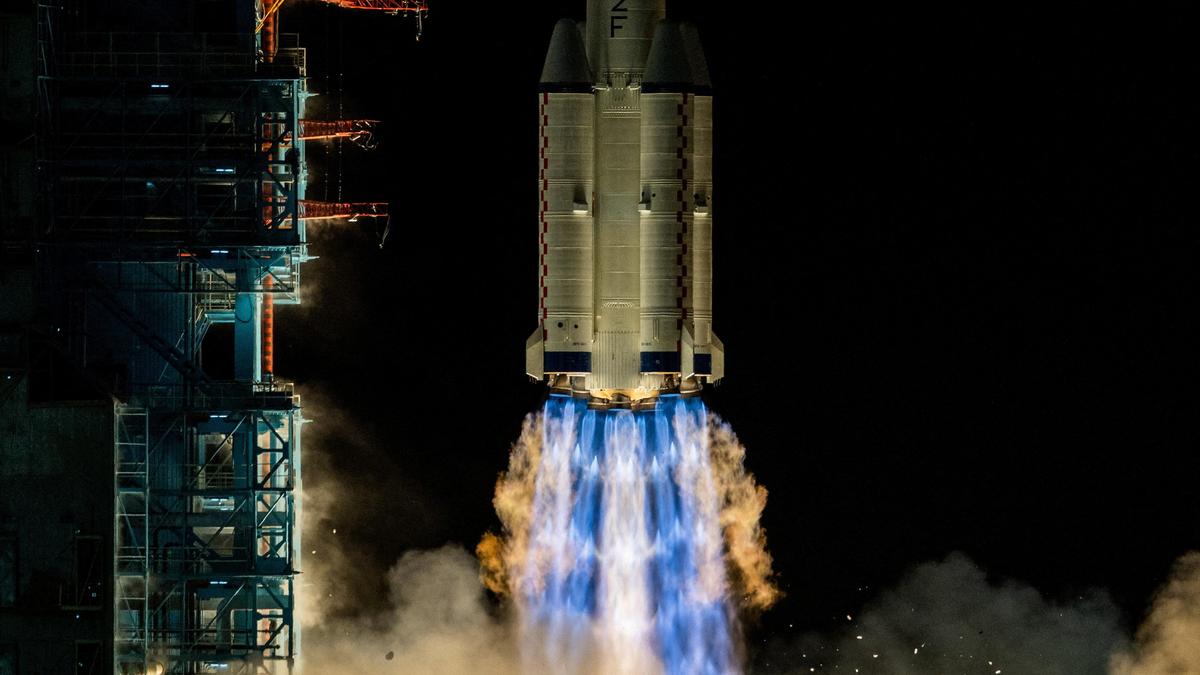
The satellite was launched in early 2025 following years of collaborative development, integrating the technical expertise of both space agencies. Its operational status declaration will mark the beginning of routine data acquisition and dissemination to the global scientific community, bolstering research in climate change, disaster management, and natural resource monitoring.
ISRO Chief highlighted the importance of the mission in contributing to environmental sustainability initiatives. He stated, “NISAR will significantly improve our understanding of dynamic processes on Earth, supporting disaster mitigation and climate resilience efforts worldwide.”
The data collected by NISAR is expected to aid policymakers, researchers, and emergency responders by providing reliable insights into phenomena such as deforestation, glacier melting, and soil moisture fluctuations. Moreover, the collaboration exemplifies a strengthened partnership between India and the United States in leveraging space technology for societal benefits.
With its advanced radar sensors, NISAR can penetrate cloud cover and operate day and night, overcoming limitations faced by conventional optical satellites. This capability ensures continuous monitoring of Earth’s surface changes, which is crucial for timely analysis and response.
The announcement comes at a time when global demand for accurate environmental data is rising due to climate change challenges and the increasing frequency of natural calamities. NISAR’s data products are poised to complement existing Earth observation satellites and contribute to international scientific research efforts.
In summary, the operationalization of the NISAR satellite on November 7, 2025, represents a landmark achievement for ISRO and NASA. This mission is expected to provide valuable insights into Earth’s surface dynamics and enhance capabilities for managing environmental and disaster-related challenges worldwide.