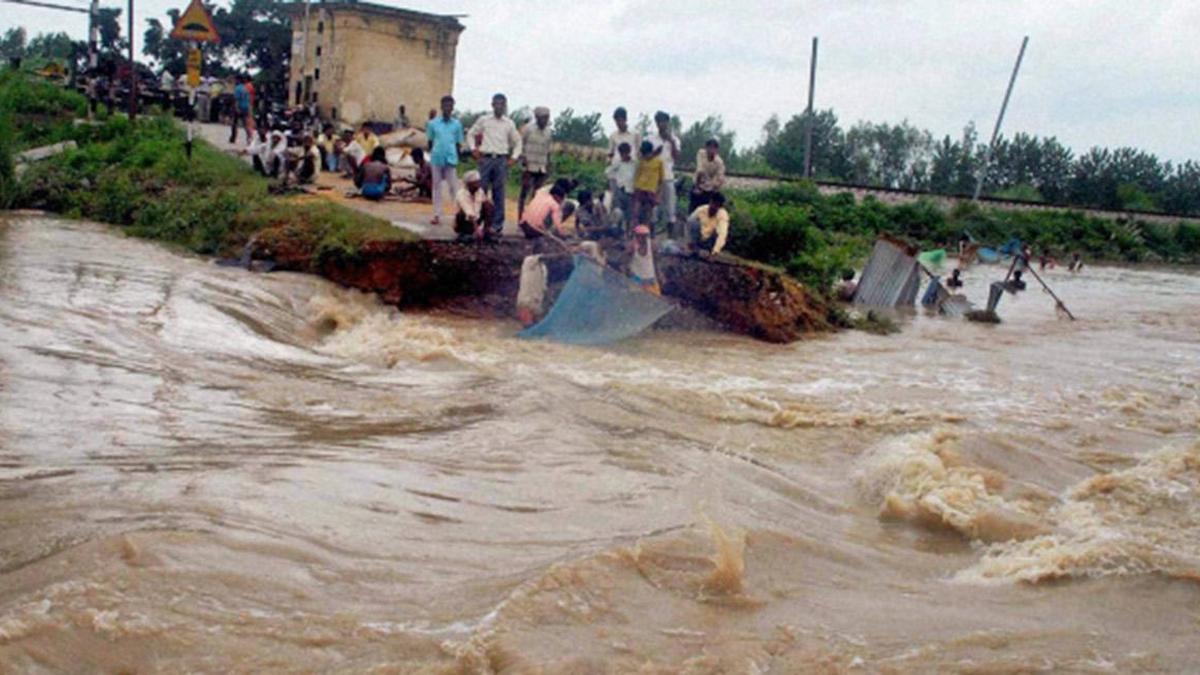
The Kosi River in Bihar has altered its course once again, revealing the persistent dangers posed by embankments constructed along its banks. This shift underscores the challenges of flood management and the need for sustainable river management strategies in the region.
The Kosi River’s course shift exposes the dangers of embankments, highlighting the need for sustainable flood management in Bihar’s river basin.
The Kosi River, often dubbed the ‘Sorrow of Bihar’ due to its frequent and devastating floods, has once again changed its course, bringing renewed attention to the vulnerabilities inherent in embankment-based flood control methods. This recent shift, observed in late 2025, has exposed the limitations of man-made embankments along the river, which have historically been constructed to contain its meandering and manage floodwaters.
The Kosi originates in the Himalayas and flows through Nepal before entering the Indian state of Bihar. Its sediment-rich waters and dynamic channel shifts have long posed formidable challenges to flood management authorities. Embankments, also known as levees, have been the primary defense against flooding, built extensively since the mid-20th century to protect settlements and agricultural land.
However, the river’s shifting course this year has caused breaches and breaches in the embankment system, resulting in significant inundation and displacement in several districts of Bihar. Local officials report that the river diverted from its established channel near the Supaul and Saharsa districts, further complicating relief and rehabilitation efforts.
Experts attribute the river’s dynamic behavior to its heavy silt load, monsoon rainfall variability, and geological factors. Dr. Arvind Kumar, a hydrologist specializing in Himalayan rivers, explains, “The Kosi’s sediment deposition raises the riverbed, making it prone to overflowing and channel migration. Embankments can sometimes exacerbate the problem by restricting natural floodplain spread and increasing water velocity within the river channel.”
Communities living alongside the embankments have historically faced recurrent flooding due to breaches, leading to loss of life, destruction of homes, and agricultural damage. The recent course change reignites debates on whether reliance on embankments is sustainable in the long term or if alternative, nature-based flood management strategies need greater emphasis.
Government authorities, including the Bihar State Disaster Management Authority, have responded by mobilizing rescue and relief operations. Measures such as controlled breaches, riverbed dredging, and strengthening embankments are being implemented to mitigate immediate risks. Simultaneously, policymakers and scientists advocate for integrated river basin management approaches, encompassing afforestation, floodplain zoning, and community engagement.
The Kosi River’s behavior exemplifies the complex interplay between natural river dynamics and human interventions. While embankments have offered some immediate benefits in flood protection, their limitations in accommodating the river’s shifting nature are becoming increasingly apparent. Relative to past decades, climate change-induced variability in monsoon patterns may further complicate river management efforts.
In conclusion, the recent shifting of the Kosi River’s course serves as a stark reminder of the perils attached to embankment-centric flood control. It underscores the urgent necessity for revisiting flood management policies in Bihar and the broader Kosi basin region, integrating scientific insights with sustainable, community-driven solutions to mitigate future flood risks effectively.