The Maharashtra opposition parties have criticized the Union Budget 2025, labeling it as Bihar-centric and neglectful of Maharashtra’s developmental needs. The Maharashtra state government has rebutted these claims, defending the budget’s provisions and highlighting benefits for the state.
Maharashtra opposition criticizes Union Budget 2025 as Bihar-centric; state government defends budget allocations and highlights benefits for Maharashtra.
Mumbai, February 2, 2025 – The Maharashtra opposition parties have openly criticized the Union Budget 2025, accusing it of prioritizing Bihar’s development over Maharashtra’s and neglecting the state’s critical financial requirements. This confrontation has sparked a political tussle between the state opposition and the government, with officials in Maharashtra standing firm in their defense of the budget.
Opposition Critiques Budget as Bihar-Centric
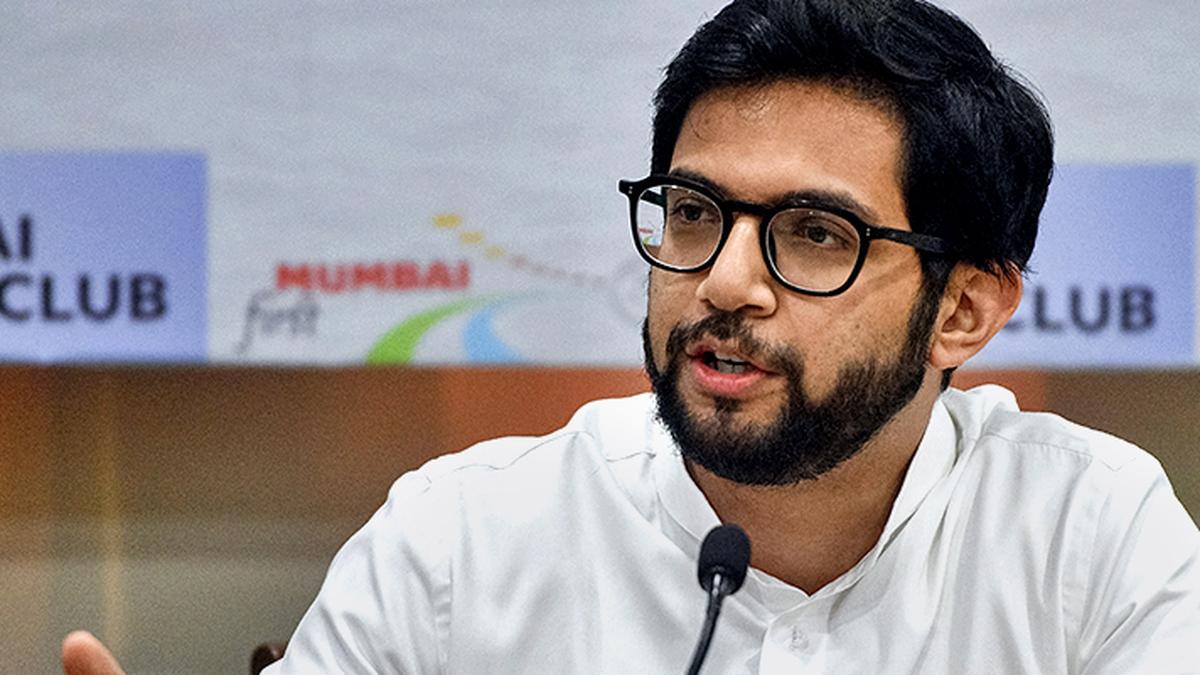
In a press conference held earlier this week, leaders from Maharashtra’s opposition described the Union Budget 2025 as excessively Bihar-centric, emphasizing that the new financial measures disproportionately benefit Bihar while sidelining Maharashtra, one of India’s most industrially and economically significant states. They argued that the budget failed to allocate sufficient funds for infrastructure projects, social welfare schemes, and industrial growth within Maharashtra, thereby potentially stalling the state’s progress.
One prominent opposition leader stated, “While Bihar receives disproportionate fiscal allocations, Maharashtra’s pressing needs remain unaddressed. This budget does not reflect the realities or requirements of our state’s citizens.”
State Government Hits Back
In response to these allegations, Maharashtra’s ruling government defended the Union Budget, asserting that provisions within the budget would support the state’s growth trajectory. The government emphasized that the budget includes key allocations for infrastructure upgrades, healthcare, and education that will directly benefit Maharashtra.
A Maharashtra government spokesperson remarked, “The Union Budget 2025 has been formulated to ensure balanced growth across all states. Maharashtra has secured significant funding in various development sectors, which will facilitate inclusive progress for our citizens.”
Context and Implications
The controversy emerges at a time when Maharashtra is navigating economic challenges amid efforts to boost industrial output and develop urban infrastructure. Budget allocations by the central government are critical for states to advance their projects and welfare programs.
Bihar has traditionally been a focus of targeted developmental funding due to its socio-economic challenges. However, Maharashtra’s opposition claims highlight the growing concern among regional political parties about equitable fiscal distribution across India’s diverse states.
Economic experts note that the Union Budget’s allocation strategy reflects complex priorities, balancing developmental needs, political considerations, and macroeconomic policies. While opposition parties view the budget allocations through a political lens, state governments often adopt a more cooperative stance to leverage funds for regional development.
Looking Ahead
This debate over the Union Budget 2025 underscores the continuing friction between Maharashtra’s opposition and the ruling regime, revealing the broader challenges of managing federal fiscal policies in India’s multi-state framework. The effectiveness of budgetary provisions will likely become a key subject of discourse in Maharashtra’s upcoming political and economic arenas.
As the state government embarks on the execution of projects funded through the new budget, monitoring the tangible impacts will be essential to gauge whether the allocations deliver inclusive growth and address the concerns raised by opposition voices.
In summary, Maharashtra’s opposition has criticized the Union Budget 2025 for favoring Bihar at the expense of Maharashtra’s development, while the state government has defended the budget’s balanced approach and commitments to various sectors within the state. This political exchange reflects underlying tensions regarding resource distribution and regional priorities in India’s fiscal planning.