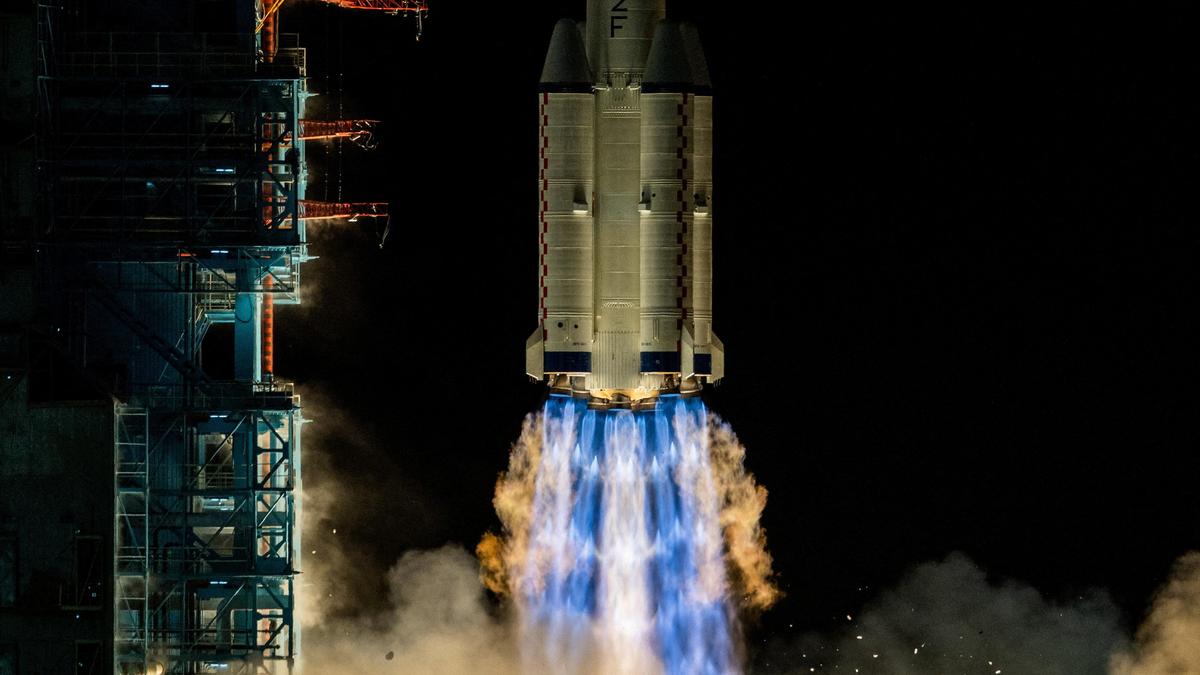
NASA has reopened the contract for its Artemis 3 lunar lander to competitors following delays in SpaceX’s Starship development, intensifying competition for the mission to return humans to the Moon. This move reflects NASA’s efforts to ensure a reliable landing system for the upcoming Artemis 3 mission despite setbacks with its initial commercial partner.
NASA reopens its Artemis 3 moon lander contract to competitors amid SpaceX Starship delays, increasing competition for lunar mission readiness.
NASA has officially reopened the contract for its Human Landing System (HLS) for the Artemis 3 mission, inviting rival companies to compete alongside SpaceX amid significant delays in the development of SpaceX’s Starship lunar lander. The announcement was made on October 21, 2025, signaling a pivotal shift in NASA’s approach to securing a reliable lunar landing system for its Artemis program, which aims to send astronauts back to the Moon by 2026.
The Artemis 3 mission represents a critical step in NASA’s plan to establish a sustainable human presence on the lunar surface, with landing astronauts on the Moon and ultimately paving the way for future Mars exploration. Initially, SpaceX was awarded the sole contract in 2021 to develop the Starship HLS, a fully reusable spacecraft designed to ferry astronauts from lunar orbit to the Moon’s surface and back. However, persistent technical difficulties and schedule slips in Starship’s development have prompted NASA to seek alternatives.
NASA Administrator Dr. Linda Dawson stated, “Our mandate is to ensure the success and safety of Artemis missions. Given the current delays with Starship, it is prudent to encourage competition to mitigate risks and maintain mission timelines.”
The decision to reopen the bidding process invites aerospace companies to submit proposals and designs for the lunar lander contract. Some of the notable prospective competitors include Blue Origin, which previously partnered with Lockheed Martin and Northrop Grumman on its own lunar lander proposal, as well as Dynetics, which has been involved in lunar lander concepts for NASA.
Industry analysts view this move as a cautious but necessary step by NASA to diversify its supply chain and reduce dependency on a single contractor’s technology. “Opening the contract to additional bidders enhances innovation and ensures NASA is not left without a viable lander option,” said space industry expert Dr. Evan Chen.
The Artemis program has faced multiple challenges, including budget constraints, technological hurdles, and the complexity of developing new spacecraft. The Starship vehicle, developed by Elon Musk’s SpaceX, has undergone several test flights but has yet to demonstrate readiness for crewed lunar missions. Delays have raised concerns over meeting the Artemis 3 timeline, initially targeted for 2026.
Reopening bids for the lunar lander could potentially extend the selection process and push mission deadlines further; however, NASA prioritizes mission assurance and astronaut safety over speed. The agency emphasizes collaboration and transparent competition, fostering innovation while maintaining rigorous standards.
NASA’s decision underscores the dynamic and competitive nature of the current space exploration landscape, where public agencies and private companies are increasingly intertwined. With growing international interest in lunar exploration, securing a reliable lunar lander is crucial for maintaining U.S. leadership in space.
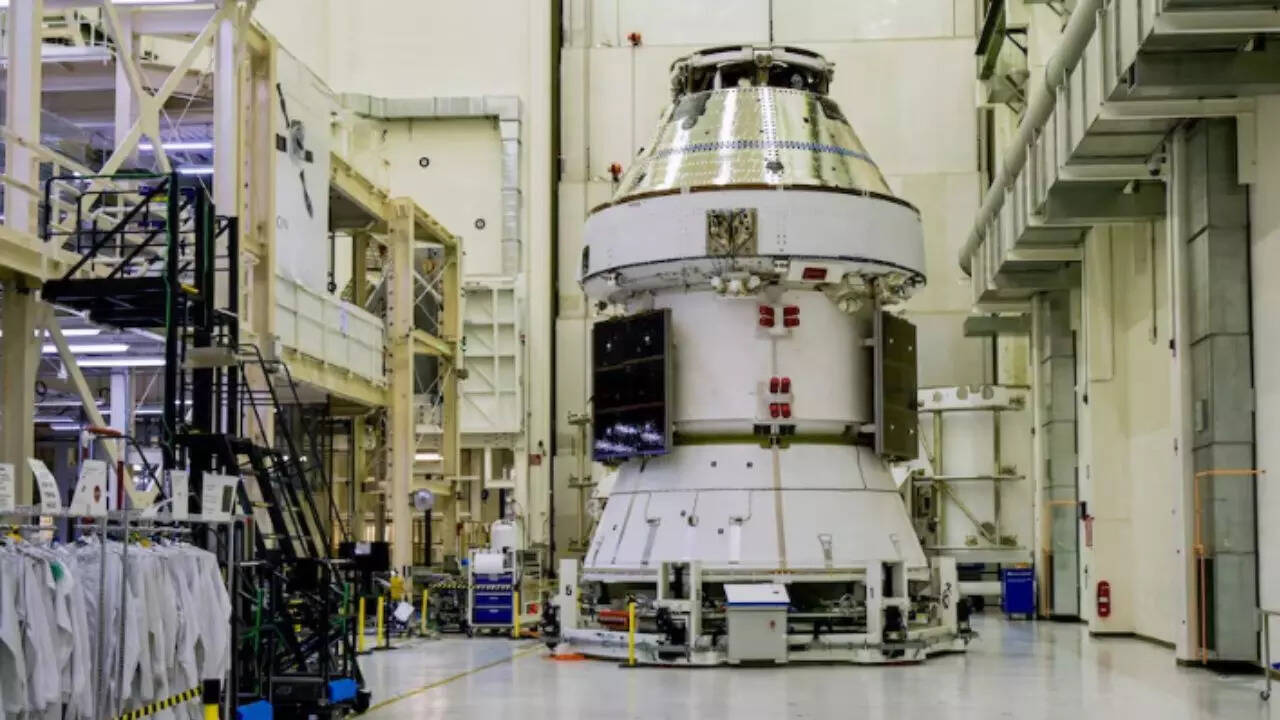
As the Artemis 3 mission progresses, NASA continues to develop other components of the lunar exploration architecture, including the Orion crew capsule and the Gateway lunar orbiting platform. The success of these elements, alongside a dependable landing system, remains essential to achieving NASA’s ambitious return-to-the-Moon goals.
In summary, NASA’s reopening of the lunar lander contract addresses critical delays in SpaceX’s Starship program by encouraging wider industry participation, thereby strengthening the Artemis 3 mission’s prospects for success.