Soaring gold prices have prompted more consumers in India to exchange their old gold jewelry instead of buying new pieces. This trend is influenced by economic factors and offers financial advantages amid costly new gold jewelry prices.
Rising gold prices in India lead more consumers to exchange old gold jewelry instead of buying new, offering financial advantages amid costly gold markets.
In recent months, there has been a notable increase in the number of consumers opting to exchange old gold jewelry rather than purchasing new pieces in India. This shift stems primarily from the rising price of gold, which has made acquiring new jewelry significantly more expensive. Jewelers and market analysts report that the exchange trend is gaining traction as customers seek to optimize the value of their existing gold assets while managing budgets effectively.
Tracking the Trend: Economic Impact on Consumer Behavior
Gold prices have surged steadily throughout 2025 due to global economic uncertainties, inflationary pressures, and currency fluctuations. According to market data from the World Gold Council, prices reached a high point in the past quarter, pushing the cost of new jewelry beyond the average consumer’s reach. As a result, many individuals are choosing to exchange older pieces to obtain updated designs or liquidate gold holdings without incurring high purchase costs.
Industry Insiders Weigh In
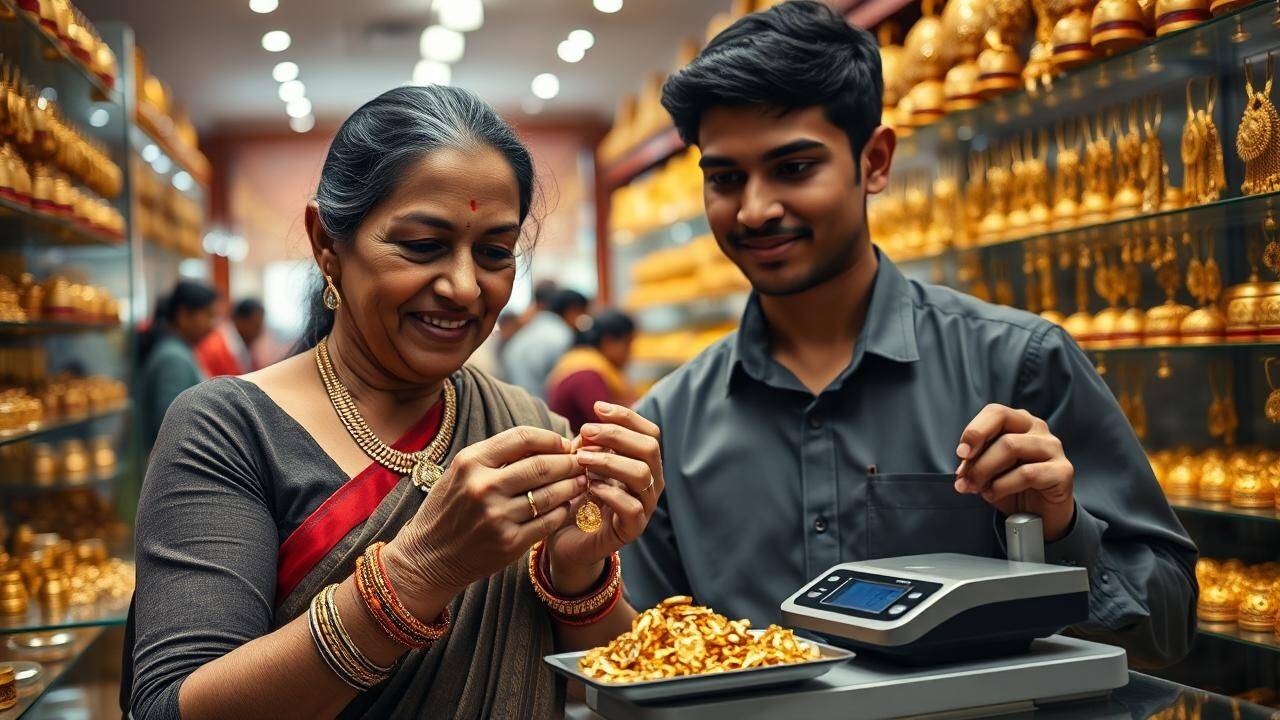
Industry experts explain that exchanging old gold jewelry involves customers surrendering their current items to jewelers in return for cash or credit that can be used to acquire new designs. ‘‘This practice helps clients capitalize on the intrinsic value of their gold while avoiding the premium costs typically added to new creations,’’ said Anil Mehta, spokesperson for the All India Gem and Jewellery Domestic Council.
Mehta added, ‘‘With the cost of making charges and hallmarking fees rising, the exchange model has become a financially sound option for consumers. It enables them to stay updated with latest trends without a substantial upfront investment.’’ Additionally, jewelers note that this practice bolsters customer engagement and loyalty by catering to evolving consumer needs.
Consumer Perspectives and Preferences
Many customers surveyed express appreciation for the convenience and economic benefits of exchanging old jewelry. Ritu Sharma, a resident of Mumbai, shared her experience: ‘‘I wanted to gift my daughter a modern gold chain but found new pieces too pricey. By exchanging my old bangles, I managed to afford a contemporary design at a reasonable price.’’ Similar sentiments are echoed across urban and semi-urban centers.
Market Dynamics and Future Outlook
The shift towards exchanging old gold jewelry reflects broader market dynamics, including the growing preference for sustainable consumption and financial prudence during uncertain economic times. Analysts anticipate that as gold prices remain elevated, the exchange trend will continue gaining momentum. Jewelers are also innovating to offer flexible exchange schemes and transparent valuation methods to attract more consumers.
The government’s regulatory framework supporting hallmarking and quality standards further instills confidence among consumers engaging in jewelry exchanges. Meanwhile, digital platforms have begun to facilitate easier valuations and seamless transactions, enhancing accessibility.
Conclusion
The rise in gold prices has significantly influenced consumer behavior in India’s jewelry market, leading many to exchange old gold jewelry instead of buying new items directly. This approach allows buyers to leverage existing assets, reduce costs, and stay fashionable without excessive expenditure. As market conditions persist, the exchange trend is likely to remain a key strategy for consumers navigating the high cost of gold jewelry.