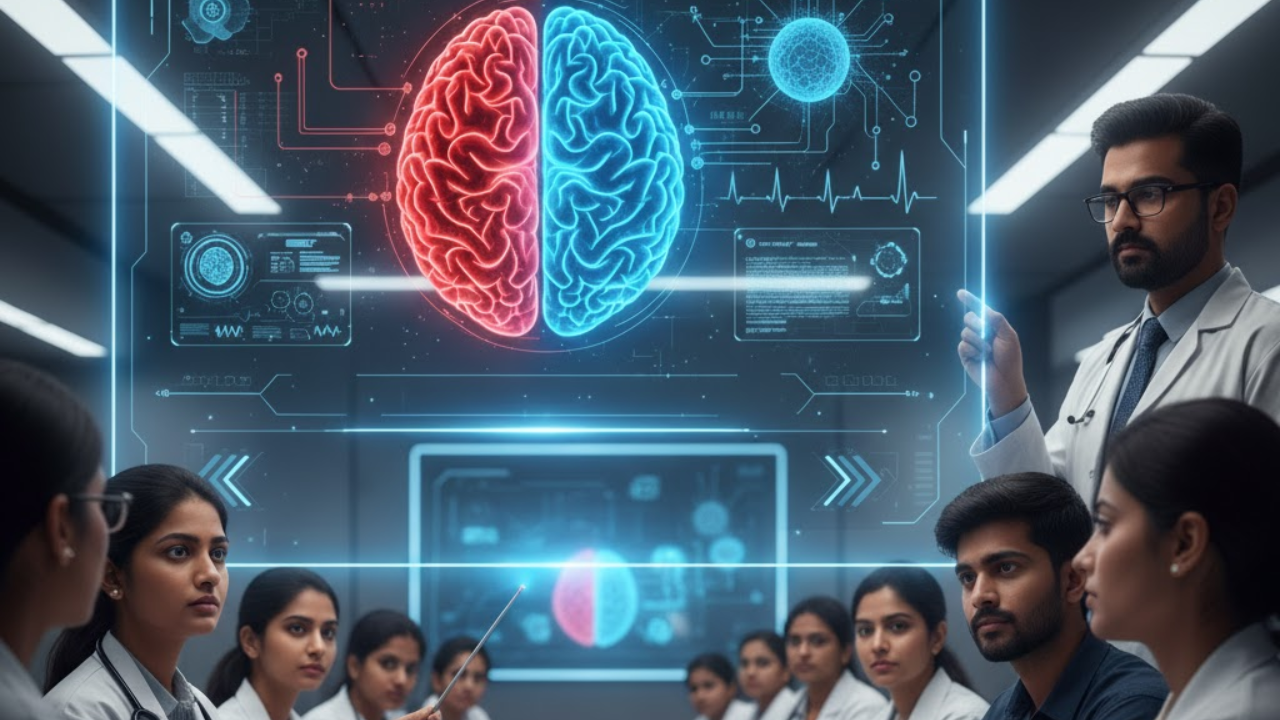
Health experts have observed a significant increase in stroke cases among young adults in India, prompting recommendations for the adoption of artificial intelligence-enabled screening technologies. Early detection through AI tools is seen as a crucial step to mitigate long-term disabilities and improve treatment outcomes.
Experts call for AI-powered early stroke screening as cases rise alarmingly among young Indians, highlighting urgent need for advanced diagnostics and awareness.
Mumbai, October 29, 2025 – Medical experts across India are raising alarms over a worrying surge in stroke cases among young Indians, urging healthcare providers to incorporate artificial intelligence (AI) tools for early screening and diagnosis. The trend highlights a pressing public health challenge as younger populations increasingly suffer from what has traditionally been considered an ailment affecting older adults.
The recent surge has been attributed to a combination of factors including rising incidence of diabetes, hypertension, unhealthy lifestyle choices, and genetic predispositions. According to neurologists, early identification and intervention are critical to controlling the progression of stroke and minimizing long-term disabilities.
Dr. Anil Sharma, a leading neurologist based in Delhi, explained, “We are witnessing strokes in patients in their 30s and 40s, which is unprecedented in the Indian medical context. Early detection using AI screening can help catch warning signs that conventional methods might miss, enabling timely treatment and better outcomes.”
AI-enabled screening platforms leverage machine learning algorithms to analyze medical imaging and patient data rapidly and with high accuracy. These technologies can detect subtle abnormalities in brain scans or recognize risk factors in patient histories that may precede a stroke event.
Incorporation of AI tools into routine clinical practice could address the challenges of limited access to specialized care, especially in rural and semi-urban areas. Additionally, AI-driven screening can facilitate continuous monitoring for at-risk individuals, providing a proactive approach to stroke prevention.
Health officials emphasize that awareness campaigns should accompany technological adoption to educate young adults about stroke risks and the importance of early medical evaluation. Lifestyle modifications, regular health checkups, and prompt response to symptoms remain essential components of stroke management.
The Ministry of Health is reportedly formulating guidelines to integrate AI-based diagnostic tools into national health programs. Collaborative efforts between government, technology firms, and healthcare providers are underway to ensure ethical, affordable, and effective deployment of AI screening solutions.
As India confronts this emerging health challenge, experts advocate a multipronged strategy combining cutting-edge technology with public health initiatives to reduce the burden of stroke among the young population.