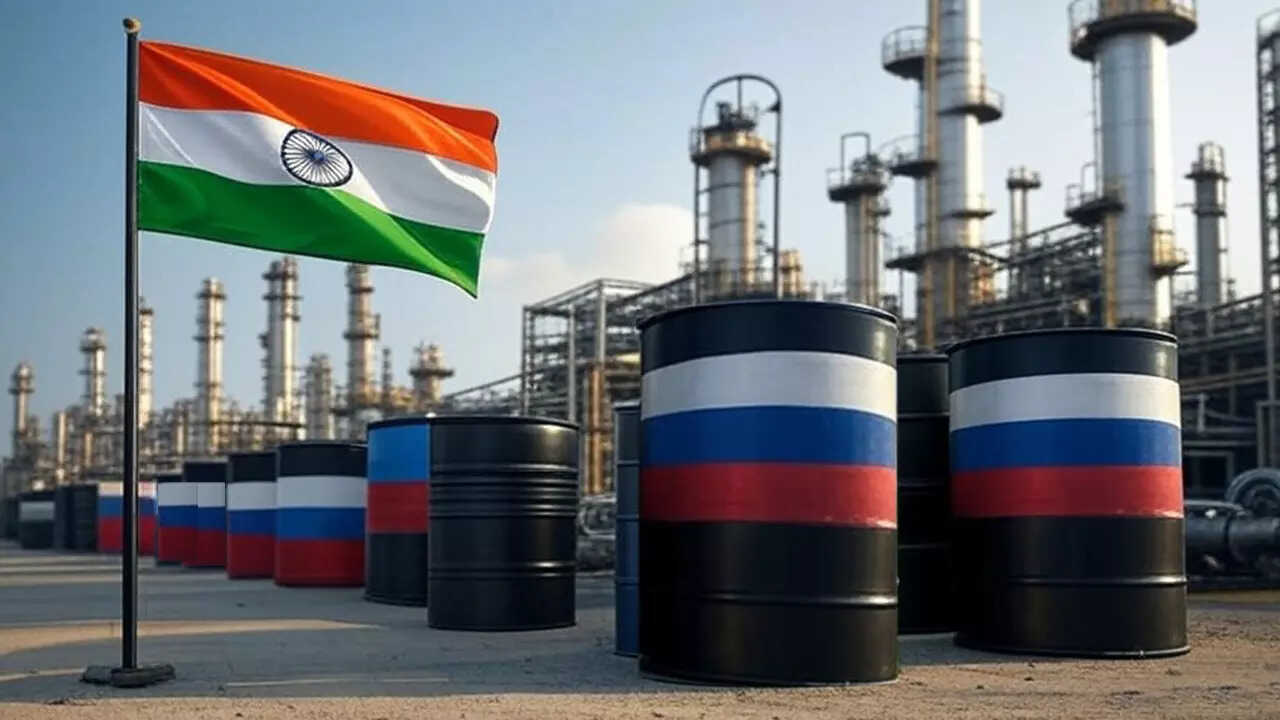
Russia’s crude oil is trading at its deepest discount in over a year following new sanctions linked to Donald Trump’s policies. Major buyers India and China have cut their purchases significantly, impacting global oil markets and highlighting shifting energy trade dynamics.
Russia’s crude oil discounts deepen as India and China cut imports amid Trump-era sanctions, impacting global oil trade and pricing dynamics.
In a significant development affecting global energy markets, Russia’s crude oil is currently available at its highest discount in more than a year, as major importers India and China scale back their purchases amid new sanctions introduced under former U.S. President Donald Trump’s administration. The sanctions, aimed at curbing Russia’s oil revenues amidst geopolitical tensions, have intensified market pressures, forcing some of the world’s largest oil buyers to reassess their procurement strategies. These changes have been observed in the weeks leading up to November 2025, with the discount on Russian crude reaching levels not seen since late 2024.
The sanction measures, primarily focused on limiting Russia’s ability to export oil at competitive prices, have prompted key Asian markets to reduce their intake. India and China, historically among Russia’s biggest crude customers, have visibly scaled back imports, influenced by both the sanctions and fluctuating global oil prices. Industry sources indicate that the discount on Urals crude—the benchmark Russian export grade—is now at its widest margin compared to Brent crude in over twelve months.
Experts explain that the deepening discount arises from a combination of decreased demand from these major buyers and increased supply in other regions, thereby destabilizing usual pricing structures. The reductions by India and China mark a notable shift given their previous roles in absorbing Russian crude following earlier Western sanctions imposed in response to geopolitical conflicts. Analysts note that these changes could have ripple effects across international markets, potentially benefiting producers outside of Russia and altering trade flows.
Market analysts attribute the discounted prices to heightened risks and compliance costs associated with trading Russian oil under the sanctions regime. “The new sanctions have introduced complexities for traders and refiners dealing with Russian crude, which in turn has pushed prices down as buyers demand higher discounts to offset these challenges,” said a senior analyst at a leading energy consultancy.
India’s state-owned refiners have reportedly diversified their crude sources to mitigate risks, while China has slowed purchases amidst strategic stockpiling assessments and geopolitical considerations. Both countries continue to play critical roles in global oil demand, making their reduced imports significant for the market balance.
The sanctions and subsequent market reactions underscore the growing interplay between geopolitics and energy trade. While Russia seeks alternative buyers and routes, the market’s response reflects broader uncertainties concerning supply chain stability and international compliance frameworks.
In summary, Russia’s crude oil is trading at its steepest discount in a year due to new sanctions linked to former U.S. President Donald Trump’s policies, with India and China cutting back on imports. This development highlights ongoing shifts in global energy markets, influenced by geopolitical decisions and evolving trade practices.