Researchers have innovatively converted a natural herbal extract into a sensor capable of detecting milk freshness, offering a promising low-cost and eco-friendly method for food safety. This advancement could help consumers and retailers ensure milk quality by providing real-time monitoring without reliance on conventional chemical tests.
Scientists develop an eco-friendly, herbal extract-based sensor to detect milk freshness, enabling simple and accurate food safety monitoring.
In a breakthrough that blends traditional knowledge with modern science, a team of researchers has successfully transformed a herbal extract into a sensor that can determine the freshness of milk. The study, published on October 20, 2025, highlights a novel approach to food safety by using natural dyes derived from medicinal plants to detect spoilage in dairy products.
The innovation stems from the need for accessible, rapid, and environmentally friendly methods to assess milk quality. Conventional techniques often involve complex instrumentation and chemical reagents, which may not be readily available or affordable, especially in rural or resource-limited settings. By contrast, this herbal extract sensor provides a simple, cost-effective solution that can be deployed easily.
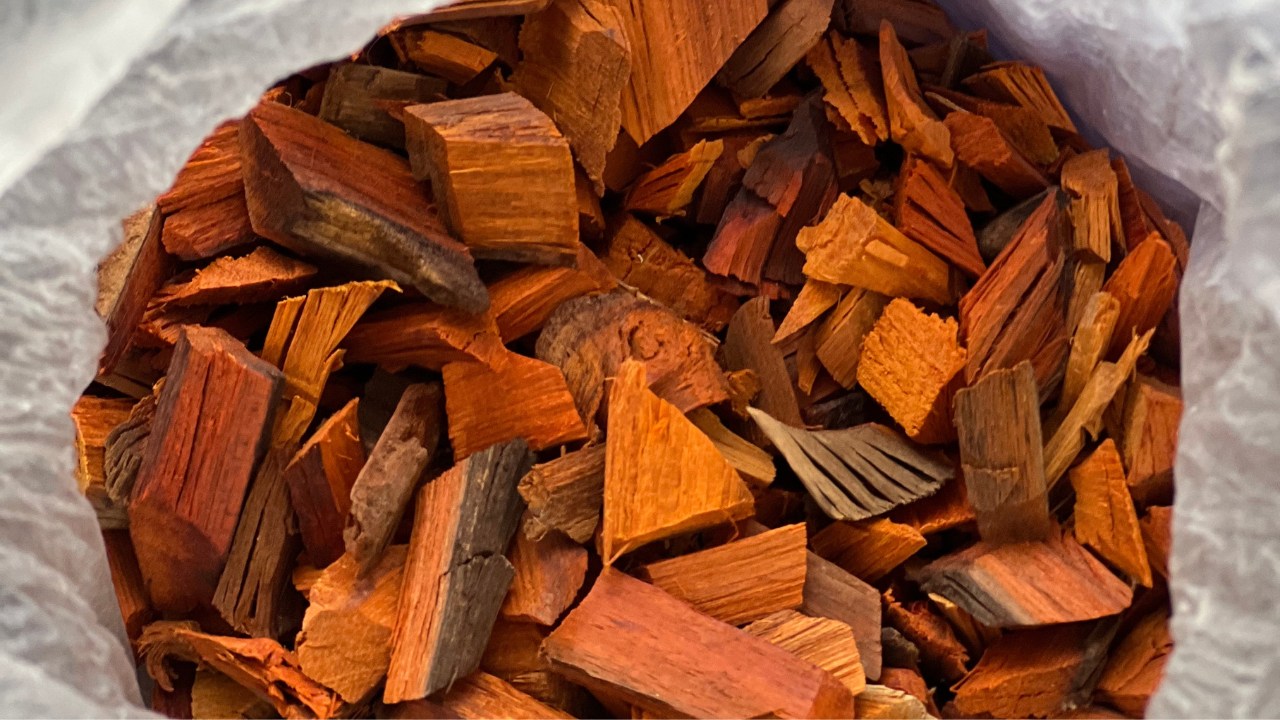
Researchers collected extracts from specific herbs known for their natural dye properties and sensitivity to pH changes—a key indicator of milk spoilage. When fresh milk begins to sour, its chemical composition changes, leading to a drop in pH levels. The herbal dye responds to these changes by altering color, thus acting as a visual indicator of milk freshness.
The sensor’s mechanism relies on colorimetric detection, whereby the herbal extract changes its hue in response to the increasing acidity of milk as it spoils. This real-time visible color change allows consumers and vendors to assess milk freshness without needing sophisticated equipment. The research team tested the sensor extensively under various storage conditions and milk types, confirming its reliability and sensitivity.
“This approach harnesses the power of natural compounds to create an eco-friendly and user-friendly tool for food safety,” said one of the lead scientists involved in the project. “It has the potential to reduce health risks associated with consuming spoiled dairy products and decrease food waste by providing accurate freshness detection.”
In addition to its practical applications, this development emphasizes the broader trend of utilizing plant-based materials in technological solutions, encouraging sustainability within the food industry. The new sensor aligns with global efforts to enhance food quality monitoring and reduce the environmental footprint of testing methods.
While further work is underway to commercialize and standardize the product, this research marks a significant step toward integrating herbal extracts into everyday food safety practices. The team is optimistic that with wider adoption, such sensors could become commonplace in households, markets, and supply chains.
For now, the herbal extract milk freshness sensor represents an intersection of science, tradition, and innovation that could transform how milk quality is monitored worldwide.