Researchers have issued a warning about the potential global climate impacts of declining krill populations, emphasizing the critical role these small marine creatures play in carbon sequestration. The study highlights that the loss of krill could disrupt ocean ecosystems and accelerate climate change worldwide.
Scientists warn that declining krill populations threaten global climate stability by disrupting ocean carbon sequestration and marine ecosystems.
Scientists have raised alarms about the potentially catastrophic consequences of losing krill, tiny shrimp-like creatures that are a cornerstone of marine ecosystems and play a significant role in regulating Earth’s climate. This warning comes as new research indicates that declining krill populations could trigger a global climate crisis by disrupting crucial carbon cycling processes in the oceans.
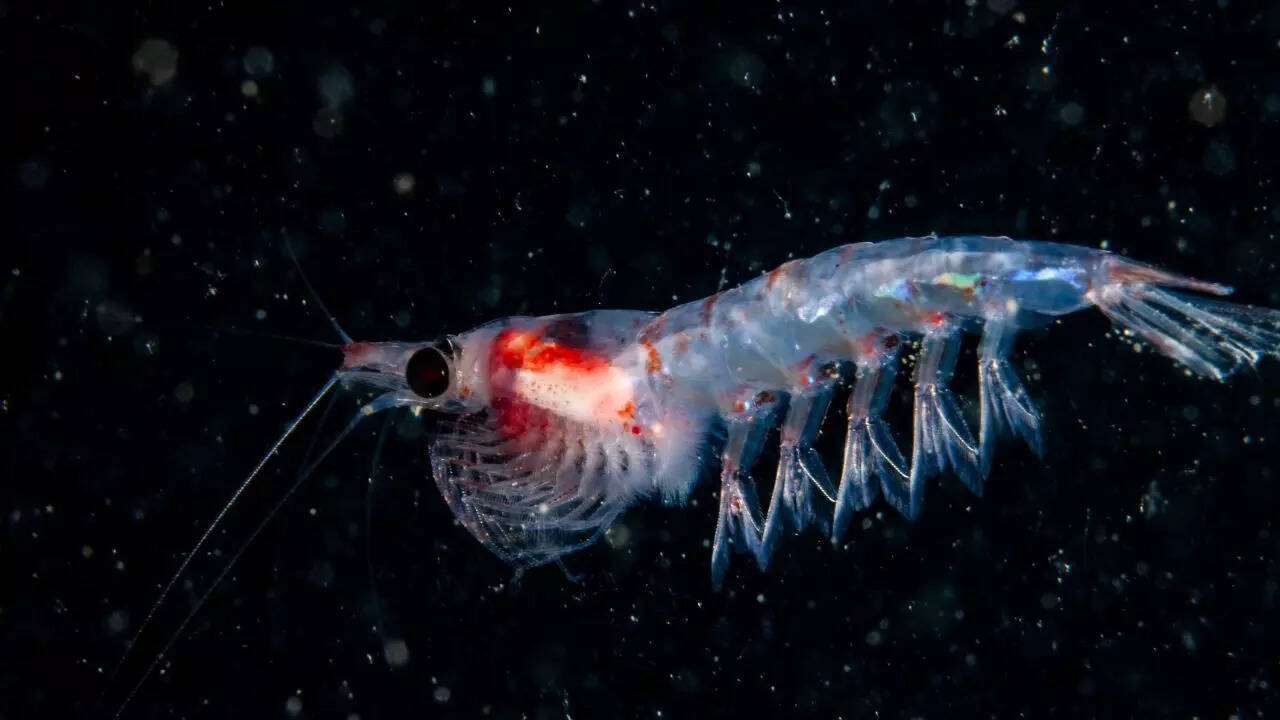
Krill, small crustaceans found in vast quantities in oceans around the world, especially in the Southern Ocean surrounding Antarctica, serve as a vital food source for a variety of marine wildlife, including whales, seals, and penguins. Beyond their role in the food web, krill contribute to the carbon cycle by consuming phytoplankton and transporting carbon to the deep ocean through their waste products and vertical movements.
According to scientists, the decline of krill populations—driven by factors such as climate change, ocean acidification, and commercial fishing—could severely impair these natural processes. Dr. Elena Martinez, a marine ecologist involved in the study, explained, “Krill are essential for sequestering carbon in the deep ocean. Their loss could reduce the ocean’s capacity to absorb CO2, intensifying the greenhouse effect and global warming.”
Recent data suggest that krill biomass has dropped significantly over the past decades. The Southern Ocean, which is a major habitat for krill and a critical region for global climate regulation, has experienced warming temperatures and changes in sea ice patterns that negatively affect krill survival and reproduction.
The implications of this decline extend beyond ecological disruption. Scientists warn that diminishing krill numbers could weaken the ocean’s biological pump—a mechanism where carbon is transferred from surface waters to the deep ocean, effectively removing CO2 from the atmosphere for centuries. This natural system is pivotal in controlling atmospheric carbon levels and stabilizing the global climate.
Moreover, the decline in krill poses threats to biodiversity. Species that depend on krill for food face potential starvation and population decreases, which could cascade into broader ecosystem instability. The interlinked effects highlight the urgency of addressing the factors threatening krill populations.
In response to these findings, experts call for enhanced conservation measures, stricter regulation of krill fishing, and intensified global efforts to mitigate climate change. They emphasize the importance of protecting marine ecosystems as an integral part of combating the climate crisis.
International bodies such as the Commission for the Conservation of Antarctic Marine Living Resources (CCAMLR) are urged to strengthen sustainable management strategies for krill fisheries. Additionally, ongoing scientific monitoring and research are critical to understanding and responding to changes in krill populations.
The study underscores that safeguarding krill is not only about preserving biodiversity but also about maintaining the health of the planet’s climate system. As Dr. Martinez noted, “Losing krill could unleash a domino effect with severe consequences for climate stability worldwide.”
In conclusion, the warning from scientists highlights the indispensable role of krill in both marine ecosystems and global climate regulation. Protecting these creatures is essential to prevent detrimental environmental and climatic outcomes. The international community faces a critical challenge in ensuring the survival of krill and, by extension, the long-term health of the planet.