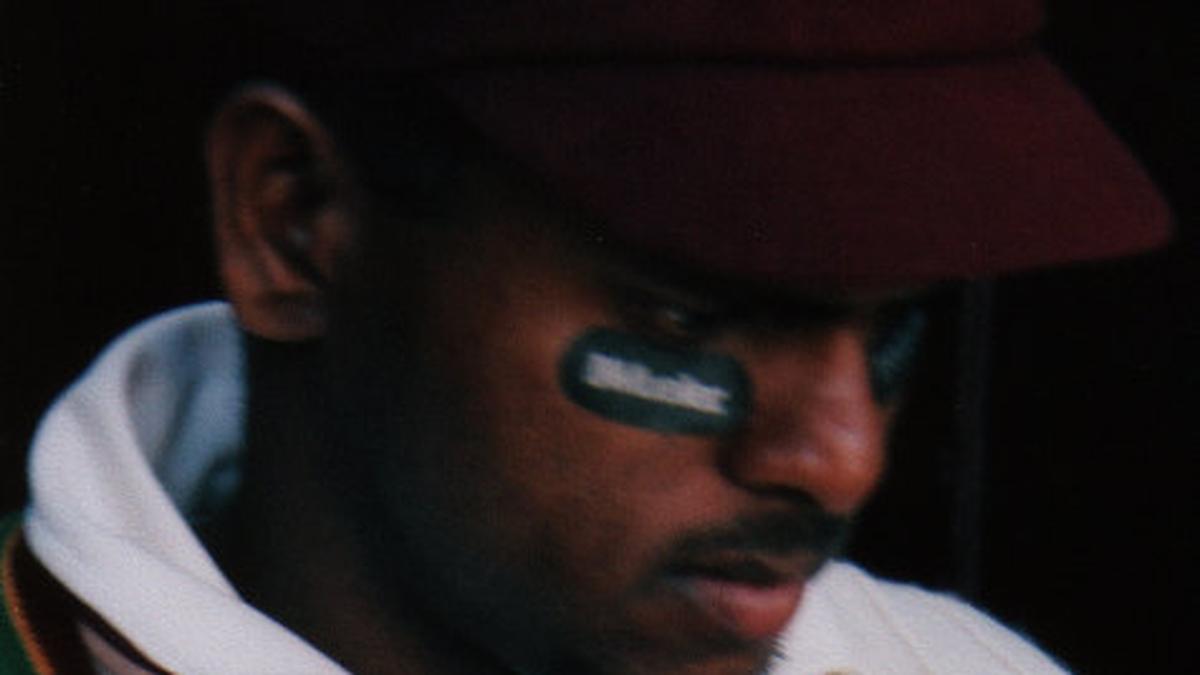
Steve Smith’s recent use of specially designed eye-black during a cricket match has highlighted ambiguities in the sport’s equipment regulations. The incident has ignited discussions on the adequacy and enforcement of cricket’s tool and equipment rules by governing bodies.
Steve Smith’s custom eye-black sparks debate on cricket’s equipment rules, highlighting regulatory gaps and calls for clearer guidelines by governing bodies.
Australian cricket star Steve Smith has reignited the conversation about the regulatory framework surrounding player equipment in cricket following his use of customized eye-black during a high-profile match in late November 2025. The eye-black, designed with specific shapes and patterns, drew attention not only for its functional purposes but also for the questions it raised concerning the borderline between permissible equipment and potential advantages under current cricket laws.
The incident occurred during the Ashes series played in England, where Smith was seen sporting eye-black with distinctive markings aimed at reducing glare and enhancing focus while batting. Although the use of eye-black is common in many sports, the customized nature of Smith’s application brought it under scrutiny by commentators and cricket analysts alike.
The Laws of Cricket, governed by the Marylebone Cricket Club (MCC), provide clear regulations on players’ attire and equipment, emphasizing fairness and uniformity. However, the specifications around performance-enhancing accessories that do not constitute protective gear or official clothing remain somewhat vague. This lack of clarity has sparked debate on what constitutes acceptable equipment within the game.
Experts in cricket regulation point out that the rules have evolved primarily to address major equipment concerns such as bat dimensions, ball specifications, and protective gear standards. Less attention has been given to ancillary items like eye-black, gloves, or grip-enhancing substances. The Smith incident has therefore opened a window into these regulatory gaps.
Former players and officials have expressed varying opinions on the matter. Some suggest that innovations such as the customized eye-black reflect positive advancements in player performance and comfort, advocating for flexibility in regulations to accommodate technological progress. Others caution against a slippery slope where even minor equipment modifications could lead to unfair advantages or distract from the spirit of the game.
The International Cricket Council (ICC) has acknowledged the debate and indicated ongoing reviews of equipment rules to preserve competitive balance while allowing room for innovation. An ICC spokesperson stated, “We continuously assess the regulations to ensure they are up to date with the evolving nature of cricket equipment and technology. Player safety and fairness remain paramount. Incidents like this provide important insights into areas where our guidelines may need clarification or updating.”
The discussion around Smith’s eye-black also connects to broader conversations in sports regarding the role of technology and equipment in enhancing or diminishing competition integrity. Similar debates have occurred in athletics, cycling, and swimming, where performance gear frequently pushes the boundaries of existing rules.
As cricket moves forward, balancing tradition with technological advancement remains a challenge. The Smith eye-black case underscores the need for clear, comprehensive guidelines that address not only major equipment but also ancillary items that impact gameplay.
In summary, Steve Smith’s use of custom eye-black has brought to light the gaps in cricket’s tool and equipment regulations. The ensuing discussions emphasize the importance of regulatory clarity to maintain the sport’s fairness and integrity while adapting to innovations. Governing bodies are now tasked with evaluating and refining these rules to keep pace with evolving player needs and technological developments.