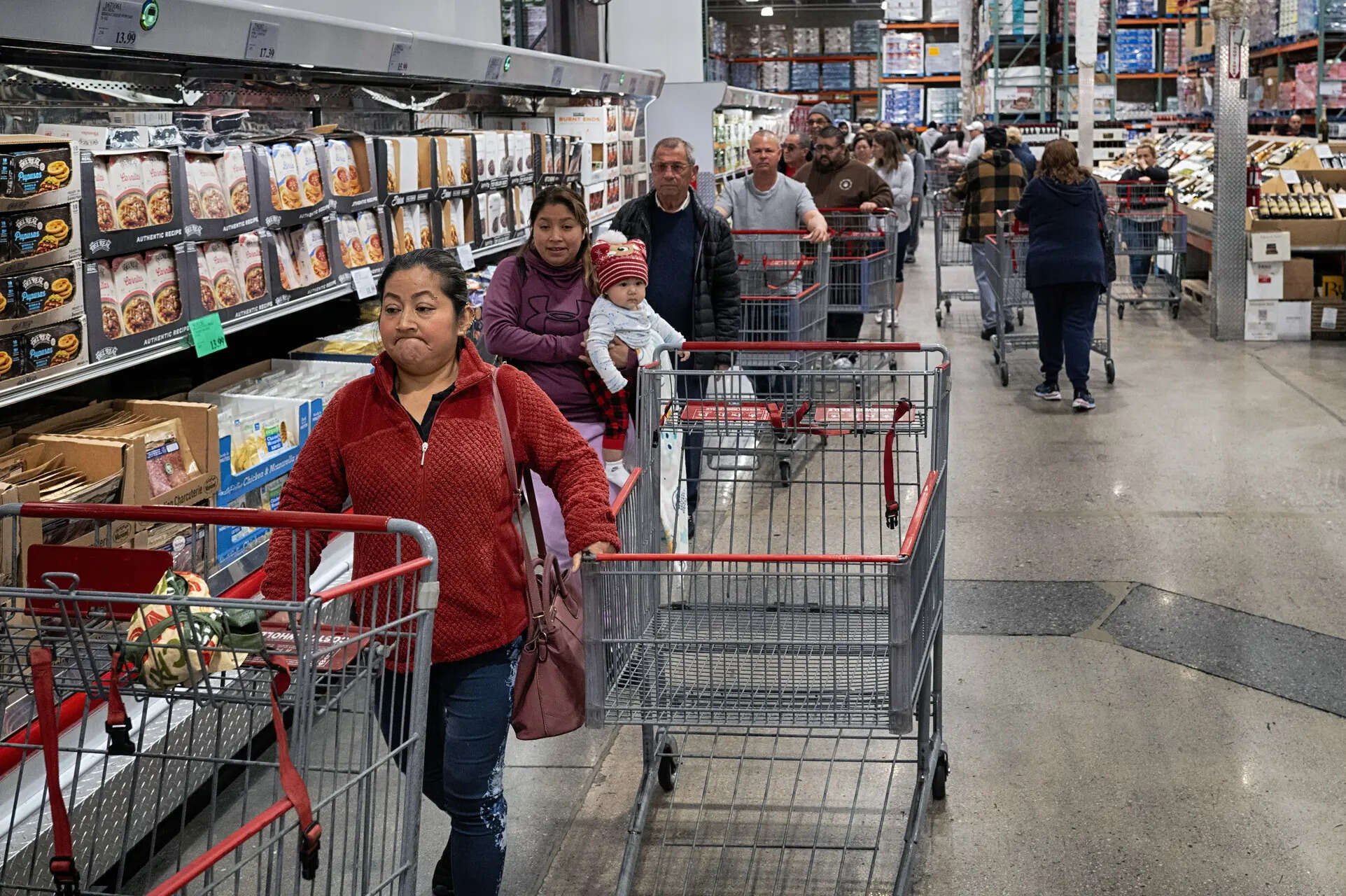
US President Donald Trump has acknowledged that American consumers might be paying for tariffs imposed under his administration’s trade policy, signaling potential economic impacts on households. The admission comes amid ongoing debates about the effectiveness and consequences of tariffs on imported goods.
US President Trump acknowledges tariffs may increase costs for American consumers, highlighting the trade policy’s economic impact and ongoing debates.
Washington, D.C. – November 7, 2025 – US President Donald Trump has acknowledged that tariffs implemented under his administration’s trade policies may be affecting American consumers directly. Speaking at a press event on Thursday, Trump stated that “Americans might be paying something” as a result of tariffs imposed on imported products, which were originally intended to protect domestic industries and reduce trade deficits.
The announcement marks one of the first times the President has publicly conceded that the tariffs may have unintended consequences for consumers. Since the introduction of tariffs on a range of goods, including steel, aluminum, and various Chinese imports, there has been extensive debate on whether the economic burden falls primarily on foreign producers or US consumers.
## Impact of Tariffs on US Consumers
Tariffs are taxes levied on imported goods, making foreign products more expensive in the US market with the aim of encouraging purchasing of domestically manufactured goods. However, many economists and consumer advocacy groups have warned that the cost of tariffs is often passed onto consumers through higher prices.
In several sectors, price increases have been reported. For instance, tariffs on steel and aluminum have raised production costs for American manufacturers, which in turn have led to increased prices for construction materials and automobiles. Consumer goods from China and other countries affected by tariffs have experienced price hikes, contributing to inflationary pressures.
## Presidential Admission and Economic Context
During the recent press briefing, President Trump said, “While we have made significant progress in leveling the playing field for American workers, it’s important to acknowledge that some of these measures might impact the prices that American families pay.”
This acknowledgment comes as the US economy faces mixed signals. While unemployment rates remain relatively low, inflation and consumer price indices have shown increases, partly attributed to trade tensions and supply chain disruptions.
## Trade Policy Objectives and Challenges
The Trump administration’s tariff strategy aimed to address issues such as intellectual property theft, unfair trade practices, and trade imbalances, particularly with China. The tariffs were part of a broader effort to renegotiate trade agreements and promote domestic manufacturing.
Critics argue that while tariffs may protect certain industries, they also introduce complexities in global supply chains and increase costs for businesses that rely on imported materials. Additionally, retaliatory tariffs from trading partners have affected US exports, particularly in agriculture and manufacturing sectors.
## Market and Industry Reactions
Business groups and economists have responded cautiously to the President’s admission. The National Retail Federation emphasized the need for policies that do not unduly burden consumers and retailers.
“We appreciate the recognition that tariffs can affect American consumers. It’s critical that trade policies strike a balance between protecting industries and avoiding inflationary pressures,” said a spokesperson for the federation.
Several industries have reported adjustments to production and sourcing strategies to mitigate the impact of tariffs. However, the overall consensus remains that tariffs have altered market dynamics and contributed to increased costs.
## Conclusion
President Donald Trump’s recent admission that US consumers might be paying something due to tariffs spotlights the complex consequences of trade policy decisions. While tariffs were implemented to protect domestic industries and enhance the US economic position globally, they also carry potential costs for American households through higher prices. As debates continue over the future of trade policies, monitoring the impact on consumers and industries remains a priority for policymakers and economists.