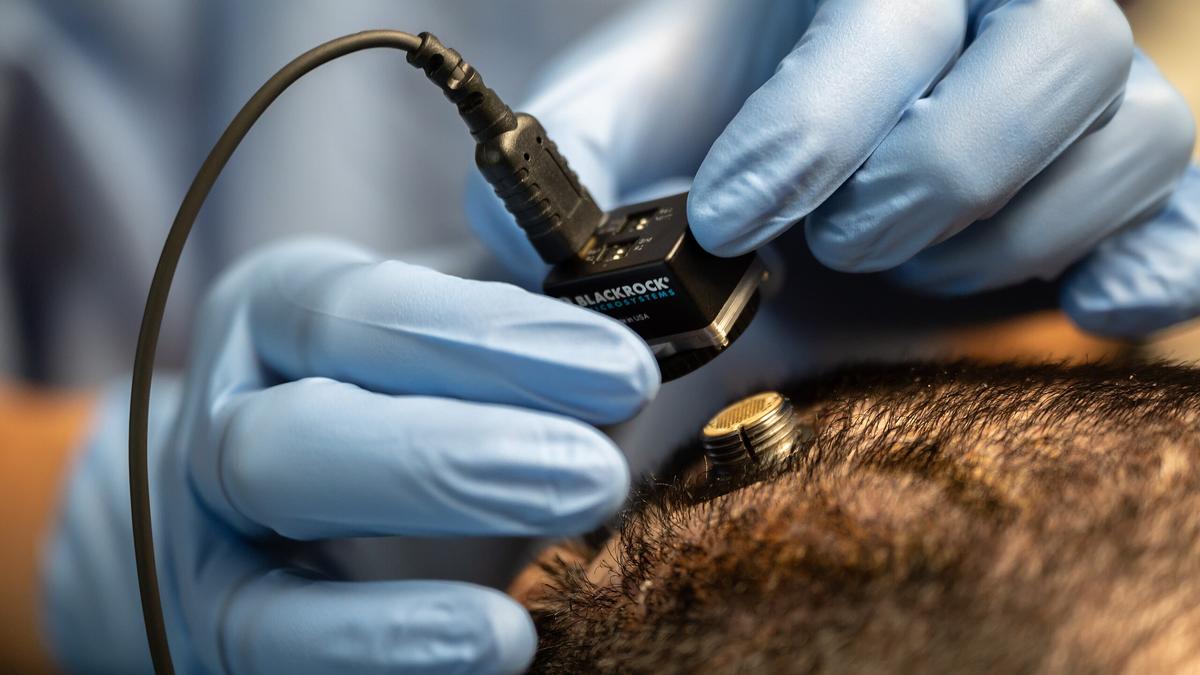
UNESCO has released updated recommendations on the ethical use of neurotechnology, aiming to regulate developments that impact human cognition and privacy. The guidelines emphasize responsible research, equitable access, and protection of individual rights in the rapidly evolving field of neurotechnological applications.
UNESCO releases updated global guidelines on ethical neurotechnology use, promoting responsible innovation and protection of human rights in 2025.
On November 12, 2025, the United Nations Educational, Scientific and Cultural Organization (UNESCO) published new recommendations to guide the ethical development and use of neurotechnology worldwide. These recommendations respond to the rapid advancements in technologies that influence the brain and nervous system, highlighting the need for a cohesive international framework to ensure their responsible use.
The guidelines address emerging challenges posed by brain-computer interfaces, cognitive enhancement devices, and neuroimaging tools. UNESCO’s recommendations underscore the importance of safeguarding human dignity, privacy, and autonomy while fostering innovation. They advocate for transparency, informed consent, and the protection of mental privacy as fundamental principles guiding neurotechnology research and applications.
According to a UNESCO spokesperson, these recommendations aim to balance technological progress with respect for human rights and ethical standards. They call upon governments, researchers, and industry stakeholders to collaborate in establishing regulatory measures that prevent misuse and promote equitable access to neurotechnology benefits.
The document also emphasizes the necessity of inclusivity and diversity in neurotechnology development, ensuring that advancements do not exacerbate social inequalities. It encourages education and public engagement to increase awareness of neurotechnology’s potential risks and advantages.
UNESCO’s initiative is the latest effort by international organizations to address the complex ethical landscape shaped by neurotechnological innovation. As applications in healthcare, education, and communication expand, these recommendations provide a crucial roadmap for policymakers aiming to harness the transformative potential of neurotechnology while maintaining ethical integrity.
In summary, UNESCO’s 2025 recommendations establish a global ethical framework emphasizing responsible innovation, protection of individual rights, and equitable access in the evolving field of neurotechnology. The guidelines serve as a call to action for coordinated international efforts to govern this rapidly advancing domain.