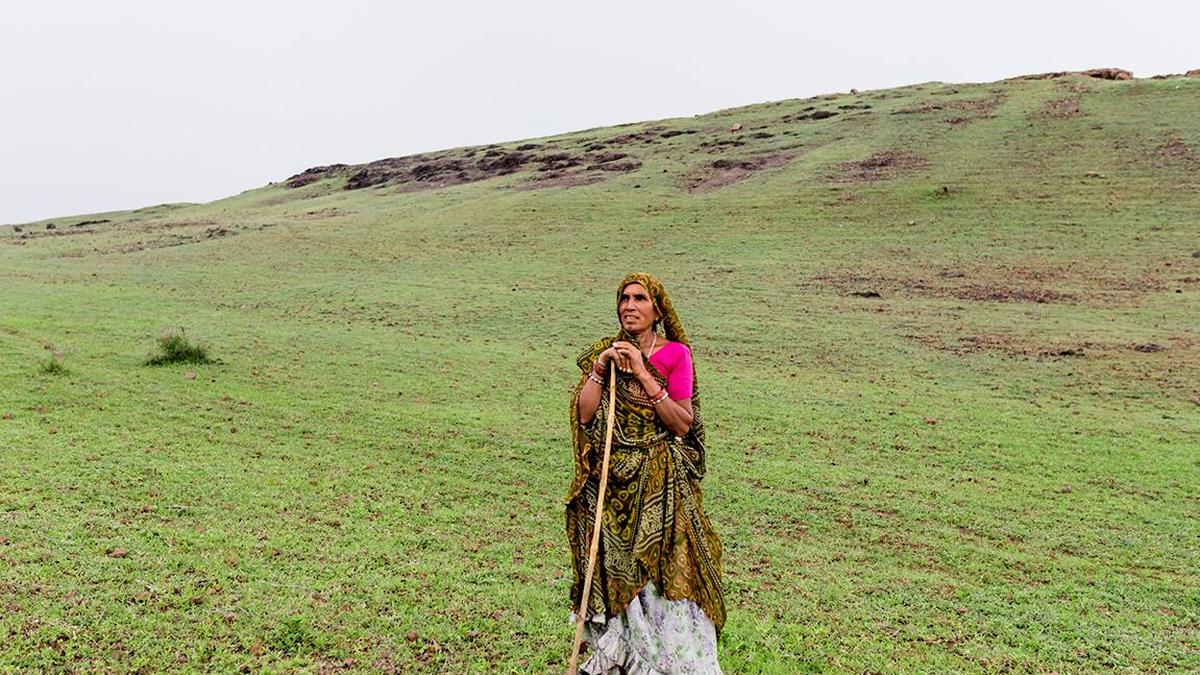
On World Soil Day 2025, experts emphasize the critical role of India’s grassland soils in climate resilience, suggesting they are more pivotal than trees in carbon sequestration and environmental stability. This shift in focus underlines the importance of soil conservation for sustainable climate action.
On World Soil Day 2025, experts highlight India’s grassland soils as crucial to climate resilience, offering stronger carbon storage than trees. Learn more.
India commemorated World Soil Day on December 5, 2025, highlighting the crucial role of grassland soils in bolstering the country’s climate resilience, surpassing the traditionally emphasized importance of trees. Scientists and environmentalists underscored new research indicating that preserving and restoring grassland soils could play a more significant role in carbon storage and climate mitigation than afforestation alone.
Grassland Ecosystems: The Undervalued Climate Ally
While global climate discourse commonly spotlights forests as key carbon sinks, recent studies point to grassland soils as vital agents in carbon sequestration, particularly in India’s diverse ecosystems. Grasslands cover a substantial portion of India’s landscape and are recognized for their deep-rooted vegetation which contributes to organic carbon storage in soil layers.
Experts at the World Soil Day event noted that unlike trees, which primarily store carbon above ground, grassland soils lock carbon deep underground, providing a more stable and long-term carbon bank. This underground storage system also enhances soil fertility and water retention, contributing to agricultural productivity and climate adaptation.
Policy Implications and Conservation Efforts
The emphasis on grassland soils arrives at a time when India is crafting more nuanced environmental policies to meet its climate goals under the Paris Agreement. Soil health has been recognized by the government through schemes aimed at sustainable land management and restoration of degraded lands.
Dr. Sushil Kumar, a soil scientist associated with the Indian Council of Agricultural Research, explained, “Focusing on grassland soil conservation can significantly augment our climate resilience strategies. It not only supports carbon sequestration but also maintains biodiversity and ecosystem services vital for rural livelihoods.”
Challenges and Future Directions
Despite their importance, grasslands often face threats from overgrazing, land conversion for agriculture, and urban expansion, leading to soil degradation and loss of carbon storage potential. Experts call for integrated management practices and increased public awareness to safeguard these ecosystems.
The World Soil Day initiatives also highlighted the role of local communities in soil conservation, advocating for participatory approaches that combine traditional knowledge with scientific innovations.
Conclusion
As India advances its climate action plan, the spotlight on grassland soils offers a promising avenue to enhance carbon sequestration and environmental stability. Recognizing soil—particularly grassland soil—as a central component in climate resilience marks a pivotal shift in strategies aimed at combating climate change and promoting sustainable land use.