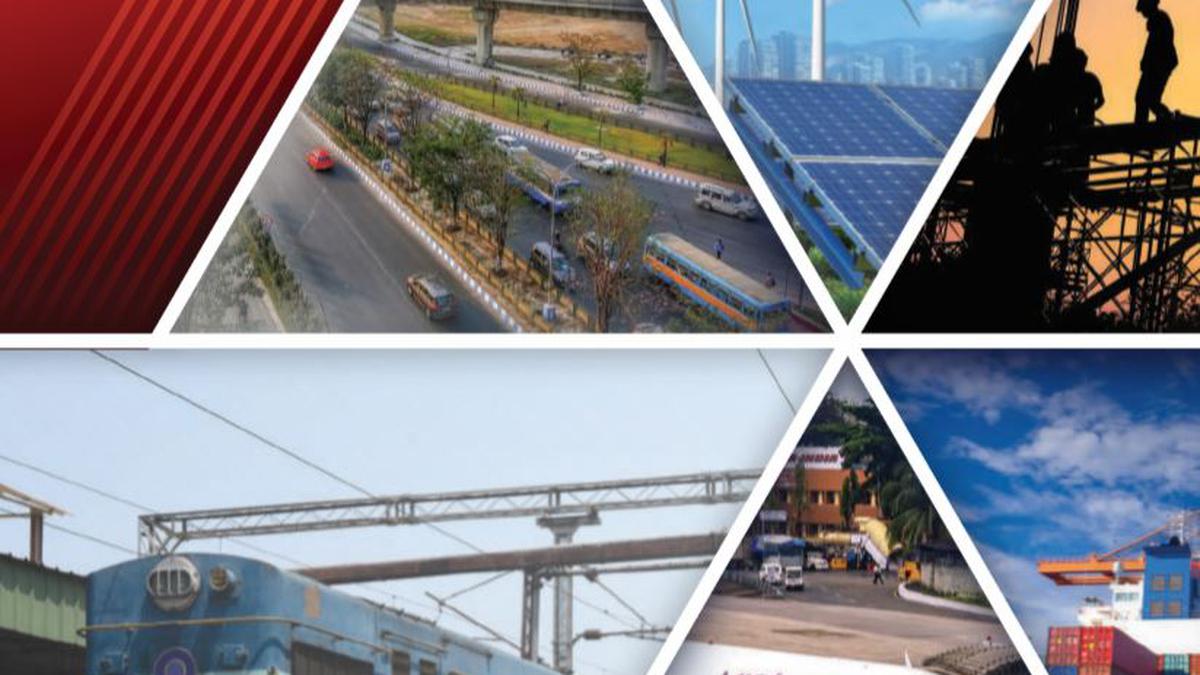
The Indian government, in its Union Budget 2025, has prioritized asset monetisation as a key strategy to stimulate economic growth. By leveraging public sector assets, the government aims to enhance infrastructure development and attract private investment.
Union Budget 2025 emphasizes asset monetisation to boost India’s economic growth and infrastructure investment through strategic public sector asset utilisation.
In the Union Budget 2025 presented on February 1, the Indian government placed a strategic emphasis on asset monetisation to drive economic expansion and infrastructure development. This approach involves unlocking the value of public sector assets and channeling the proceeds into new growth initiatives. The government envisions this as a key mechanism for stimulating investment, increasing efficiency, and reducing fiscal deficits.
Asset Monetisation Strategy
The government’s asset monetisation initiative focuses on monetising non-core public assets such as land, buildings, and infrastructure owned by state-run enterprises. By transforming these assets into revenue-generating streams through models such as Public-Private Partnerships (PPP) and Infrastructure Investment Trusts (InvITs), the government aims to mobilize funds for further capital expenditure.
Historically, India’s economic growth has relied heavily on fiscal spending funded by tax revenues and borrowings. However, with growing fiscal pressure, asset monetisation offers a sustainable route to supplement investment without exacerbating fiscal deficits. This aligns with the broader vision of creating a self-sustaining economy capable of fueling infrastructure projects and employment generation.
Projected Outcomes and Government Plans
According to budget documents, the government expects to raise several lakh crores through asset monetisation in the coming years, which will be directed towards infrastructure sectors including roads, railways, and urban development. Key public sector undertakings (PSUs) have been identified for this purpose, indicating a clear roadmap.
Finance Minister highlighted that this approach will not only generate resources but also improve operational efficiencies by involving private sector expertise. The budget outlines the establishment of a dedicated asset monetisation cell to oversee and expedite these processes, ensuring transparency and accountability.
Economic and Expert Perspectives
Economists have welcomed the government’s focus on asset monetisation, noting its potential to catalyse infrastructure growth without adding to fiscal strain. However, experts caution that success depends on transparent valuation, effective execution, and market conditions.
Private sector stakeholders have also expressed optimism about new investment avenues created by asset monetisation, which could open up diverse opportunities and enhance competitiveness in traditionally public-dominated sectors.
Conclusion
The Union Budget 2025 underscores asset monetisation as a pivotal tool in India’s economic strategy, aiming to mobilise dormant public assets to boost growth and infrastructure development. By integrating public-private collaborations and efficient capital deployment, the government seeks to sustain momentum in India’s development trajectory while managing fiscal prudence.