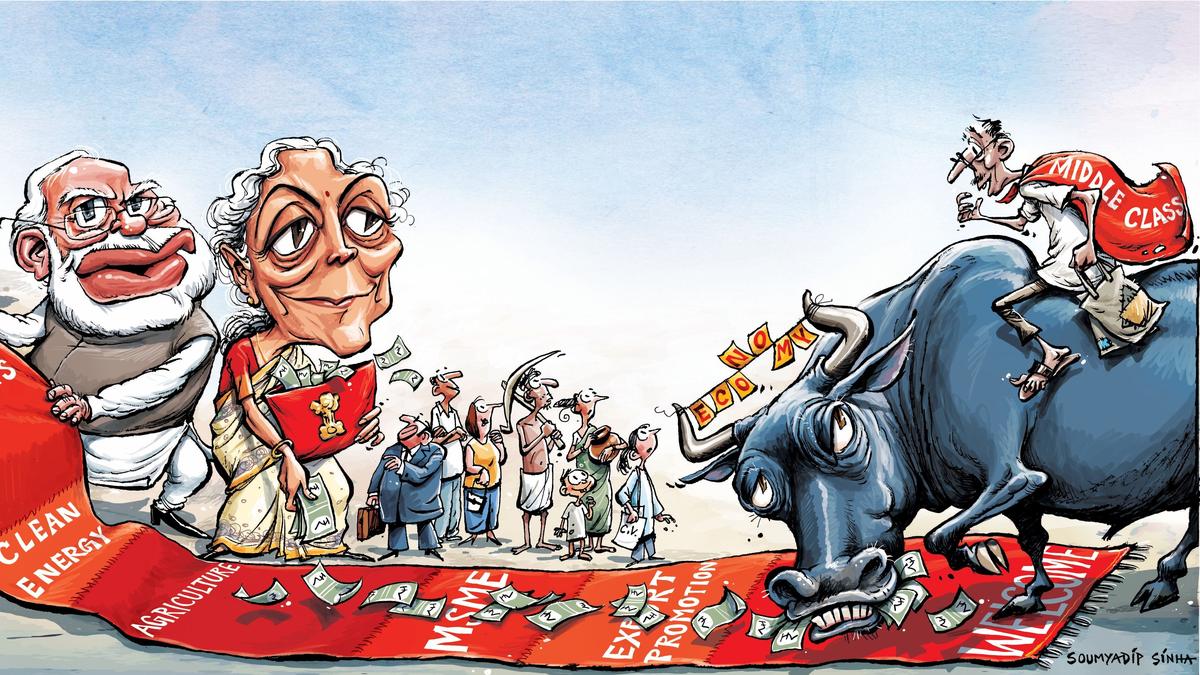
The Union Budget 2025, presented on February 1, has introduced substantial tax benefits aimed at easing the financial burden on the middle class. With revised income tax slabs and increased deductions, the government seeks to boost disposable income and stimulate economic growth.
Union Budget 2025 offers substantial tax relief to the middle class with revised slabs and increased deductions, boosting disposable income and economic growth.
New Delhi – The Union Budget 2025, unveiled on February 1, 2025, has focused on providing significant tax relief for middle-class Indians, marking a strategic move to augment their disposable income amid a challenging economic environment. The budget, presented by the Finance Minister in the Parliament, brings key amendments to the income tax slabs and enhances various deductions, reaffirming the government’s commitment to economic revitalization and inclusive growth.
Enhancements in Income Tax Slabs
One of the prominent features of the budget is the revision of income tax slabs for individual taxpayers. The basic exemption limit has been raised from the existing level, allowing a larger segment of the middle class to be exempt from paying income tax. Additionally, the government has increased the income threshold for various tax brackets, effectively reducing the tax liability for numerous taxpayers in the middle-income category.
According to the Finance Minister, “These changes are designed to provide immediate relief to the middle class and increase their spending capacity, which is vital for sustaining economic momentum.”
Increased Deductions and Exemptions
The budget also introduces increased limits for popular deductions under sections such as 80C, 80D, and others. For instance, the maximum deduction available under Section 80C has been raised, enabling taxpayers to invest more in eligible savings instruments and claim higher tax benefits. Moreover, health insurance premium deductions have been enhanced, promoting better healthcare coverage among the middle-income groups.
Impact on Disposable Income and Consumption
With lowered tax obligations, middle-class families are expected to enjoy higher disposable incomes, potentially leading to increased consumer spending. Economic analysts suggest that this boost in consumption could play a critical role in rejuvenating various sectors hit by recent economic downturns.
Economic Context and Future Outlook
The Union Budget 2025 arrives at a time when the Indian economy is navigating post-pandemic recovery challenges. By focusing on middle-class tax relief, the government aims to create a broader base for consumption-led growth, which is crucial for sustained economic development. Experts anticipate that these fiscal measures will reinforce the purchasing power of a significant demographic group, thereby catalyzing demand across multiple industries.
Concluding Summary
In summary, the Union Budget 2025 provides a comprehensive tax bonanza for the middle class through revised income tax slabs and enhanced deductions. These measures are poised to relieve financial pressures on millions of taxpayers, stimulate consumption, and support the country’s ongoing economic recovery efforts.