NASA is pioneering a new economic framework to address the growing issue of space debris by quantifying its costs and incentivizing sustainable orbital practices. This innovative approach aims to safeguard the future of Earth’s orbit by redefining space junk as an economic challenge rather than solely an environmental or technical problem.
NASA introduces an economic framework to address space junk, aiming to protect Earth’s orbit through cost-based strategies and international collaboration.
NASA has unveiled a transformative approach to tackling the escalating problem of space debris by reframing it as an economic issue, a move that could significantly affect the future management of Earth’s orbital environment. Announced on October 31, 2025, the initiative emphasizes quantifying the costs associated with space junk — including risks to satellites, the International Space Station, and future space missions — and leveraging economic incentives to promote cleaner, safer space operations.
The exponential increase in space activities over recent decades has led to a rapid accumulation of space debris. According to NASA, there are currently over 27,000 pieces of debris tracked in Earth’s orbit, ranging from defunct satellites to fragments resulting from collisions and disintegration. These objects pose collision risks that threaten both human and robotic space ventures.
Under the new framework, NASA is collaborating with economists, engineers, and international partners to develop a cost-based model that assigns financial value to the risks and damages caused by orbital debris. This model aims to help policymakers and industry stakeholders understand the economic consequences of space junk and encourage the adoption of mitigation and removal technologies.
“By treating space debris as an economic externality, we can align the incentives of all stakeholders — governments, private companies, and international organizations — towards preserving the space environment,” said Dr. Helen Ramirez, lead economist at NASA’s Orbital Debris Program Office. “This reframing enables us to calculate the tangible and intangible costs of debris and integrate them into decision-making processes.”
The economic lens includes analyzing potential losses stemming from collision damage, operational interruptions, and increased insurance premiums for satellites affected by debris threats. In addition, NASA’s plan promotes investments in debris removal solutions and sustainable satellite design, aiming to reduce the generation of new debris.
International collaboration forms a crucial element of NASA’s strategy. Space traffic is a global concern, and unilateral approaches have limited effectiveness. NASA is engaging with space agencies across Europe, Asia, and other regions to harmonize cost-based metrics and share best practices. The aim is to establish transparent standards for debris accountability and incentivize active debris removal through economic mechanisms.
Experts suggest that previous efforts to manage space junk, which mostly relied on voluntary guidelines and technical measures, have not sufficiently curbed debris growth. The novel economic approach offers a complementary pathway by embedding financial responsibility and accountability within orbital activities.
Dr. Kevin Mooney, a satellite operations specialist at the European Space Agency, commented, “NASA’s economic framework could be a game-changer. When companies and countries can directly see the financial implications of debris, it encourages them to adopt safer practices and support removal initiatives.”
The initiative also addresses challenges related to defining liability and cost-sharing among numerous space actors. By quantifying costs and risks, negotiations over responsibility and funding for debris mitigation may become more structured and equitable.
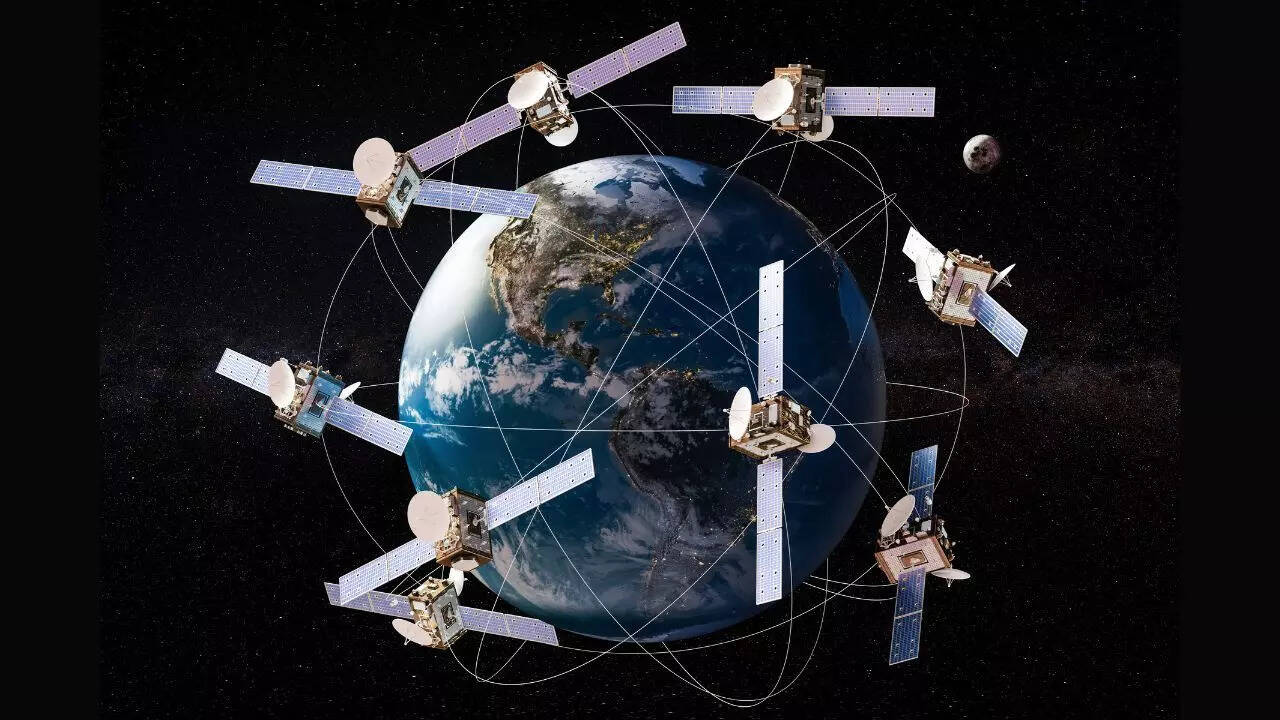
This strategic shift is timely as mega-constellations of satellites for global internet coverage and other services are poised to flood low Earth orbit, potentially exacerbating debris proliferation. NASA’s economic equation approach aims to preemptively manage this surge with sustainable practices.
In summary, NASA’s reimagining of space junk as an economic problem offers a promising framework for addressing orbital debris by incorporating cost assessments and incentives. Through international cooperation and the integration of economic principles, this approach seeks to ensure responsible stewardship of space for current and future generations.