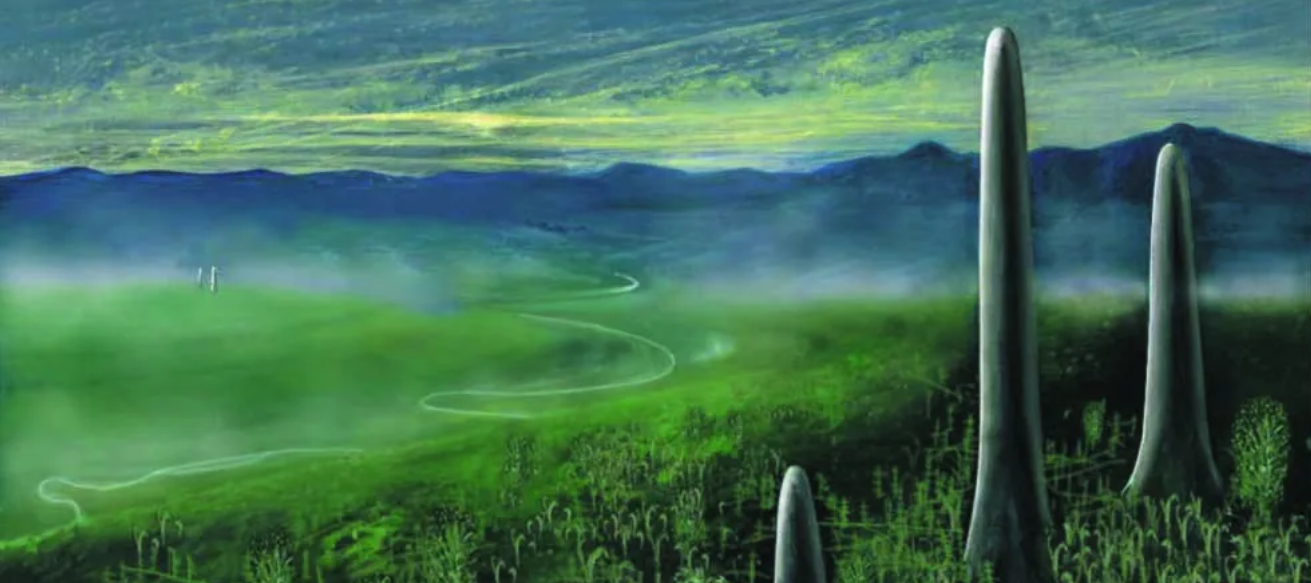
New research reveals that fungi ruled terrestrial ecosystems billions of years before the advent of plants, playing a crucial role in shaping Earth’s earliest landscapes. These ancient fungi influenced soil formation and ecosystem development long before plants colonized land.
Discover how ancient fungi dominated Earth’s landscapes billions of years before plants, shaping the first terrestrial ecosystems and soil formation.
Scientists have uncovered compelling evidence that fungi were the dominant life forms shaping Earth’s terrestrial environments billions of years before plants emerged. This groundbreaking discovery challenges traditional views of early ecosystems, revealing that fungi played a pivotal role in transforming Earth’s landscapes and ecosystems well before plant life began to thrive on land.
Fungi: The Earth’s Original Land Colonizers
A recent study published in a leading scientific journal analyzed fossil records and molecular data indicating that terrestrial fungi appeared over a billion years ago. These ancient fungi are believed to have colonized land first, predating plants by hundreds of millions of years. Unlike plants, fungi do not perform photosynthesis; instead, they broke down organic materials, contributed to soil formation, and facilitated nutrient cycling, fundamentally altering the planet’s surface.
Dr. Anjali Mehta, a mycologist involved in the research, explains, “Our findings suggest that fungi effectively prepared the terrestrial environment for plants by stabilizing soil and promoting conditions that allowed subsequent life forms to flourish.”
Impact on Early Ecosystems
Before the arrival of plants, Earth’s landscapes were barren with limited biological activity. The emergence of fungi introduced new biochemical processes that contributed to the weathering of rocks and the buildup of organic matter, which are critical components of soil. This process paved the way for the development of richer, more complex ecosystems.
Moreover, fungi formed symbiotic relationships with primitive microorganisms, supporting early life on land through nutrient exchange and habitat modification. These interactions were crucial for sustaining microbial communities that preceded plants.
Historical Context and Scientific Significance
Previously, the scientific consensus held that plants were the primary pioneers of terrestrial ecosystems. However, this new evidence redefines our understanding of Earth’s ecological history, emphasizing fungi’s early and substantial contribution.
According to Professor Michael Thompson, an expert in paleobiology, “This research fills a significant gap in our understanding of Earth’s ecological evolution. Recognizing fungi as foundational terrestrial organisms reshapes the narrative of life’s transition from water to land.”
Future Research Directions
The study encourages further exploration into the fossil record and genetic data to uncover additional insights into fungi’s evolution and ecological roles. Understanding ancient fungal ecosystems could also inform modern environmental science, including soil health and climate change models.
In conclusion, fungi’s early colonization and ecosystem engineering reveal their integral role in Earth’s biological heritage, highlighting a complex and gradual process of terrestrial ecosystem formation long before plants appeared.