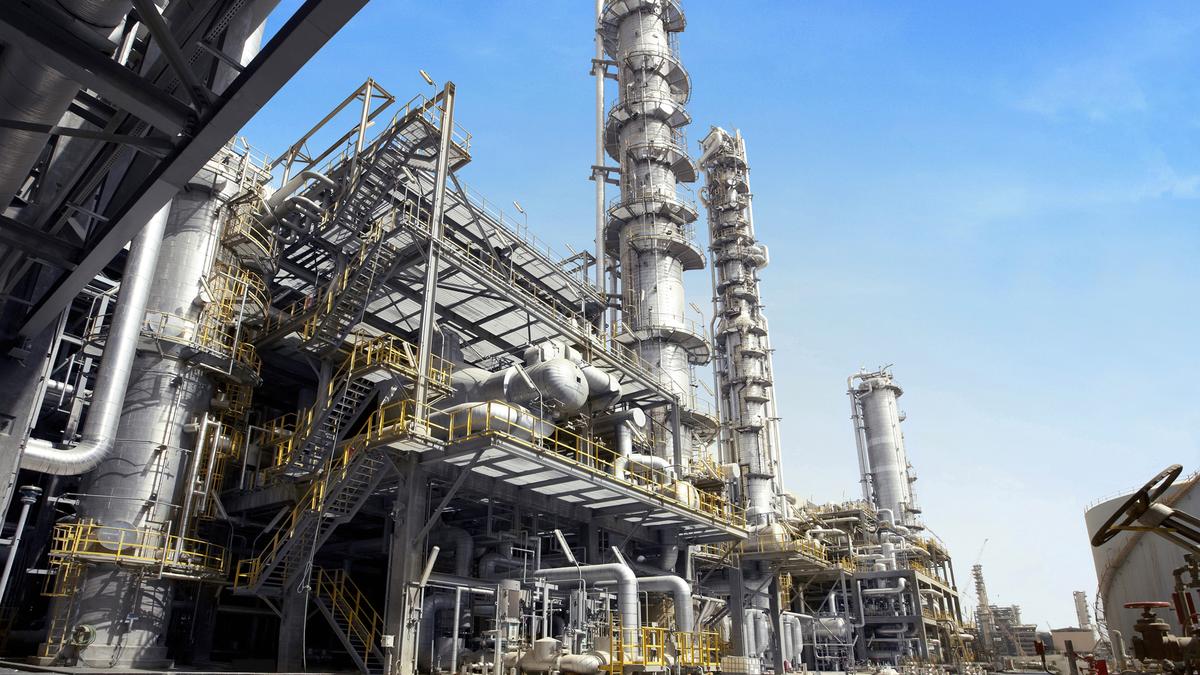
Benzene, a fundamental chemical compound discovered in the 19th century, played a pivotal role in the development of modern industry and consumer products. However, its widespread use has also unveiled significant health and environmental challenges over time.
Explore benzene’s crucial role in modern industry, its benefits, and the health and environmental challenges it presents.
Benzene, a simple yet powerful organic chemical compound first identified in the 1820s, has been an indispensable building block for the modern industrial world. Its unique molecular structure made it a vital precursor in manufacturing a wide range of products including plastics, synthetic fibers, dyes, detergents, and pharmaceuticals. From the factories of 19th-century Europe to today’s global chemical industry, benzene’s influence on economic development and technological progress is undeniable.
The discovery and utilization of benzene revolutionized the chemical industry, enabling innovations that led to mass production of materials crucial for automobiles, clothing, and medicine. Industrial chemists harnessed benzene’s properties during the chemical boom of the early 1900s, which fueled consumer demand and transformed everyday life by making synthetic products more accessible and affordable.
Despite these advances, the benefits of benzene came with hidden costs that emerged over decades of exposure. Scientific studies since the mid-20th century have linked benzene exposure to serious health risks, including bone marrow damage and leukemia. These revelations triggered regulatory measures worldwide to limit occupational and environmental exposure, reshaping safety standards in chemical manufacturing and handling.
Environmental concerns have also come to light, as benzene’s persistence in air and water contributes to pollution and ecosystem damage. Researchers have studied its impact extensively, leading to improved waste management practices and monitoring by environmental agencies. The story of benzene exemplifies the complex balance between industrial progress and the imperative to manage chemical hazards responsibly.
According to Dr. Anjali Desai, a toxicologist at the National Institute of Chemical Safety, “Benzene’s discovery catalyzed a vast array of industrial applications, but it also highlighted the need for rigorous scientific evaluation of chemical safety. Ongoing research and regulation continue to protect workers and communities from its risks.”
Today, while alternatives and safer substitutes are being developed, benzene remains a cornerstone chemical due to its efficacy and cost-effectiveness. The legacy of benzene underscores the importance of continual assessment of industrial chemicals to mitigate adverse effects while enabling technological advancement.
In summary, benzene’s historical and ongoing role in building the modern industrial landscape is a story of remarkable innovation tempered by the challenges of health and environmental stewardship. Its dual legacy informs contemporary approaches to chemical management and industrial safety worldwide.