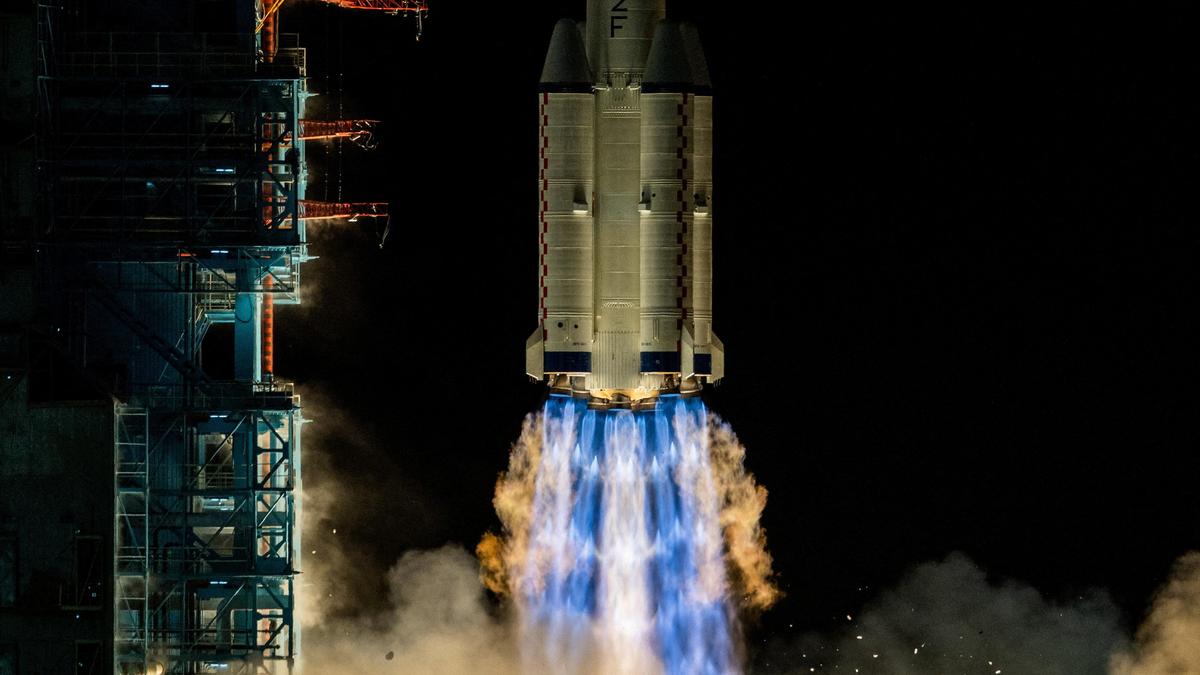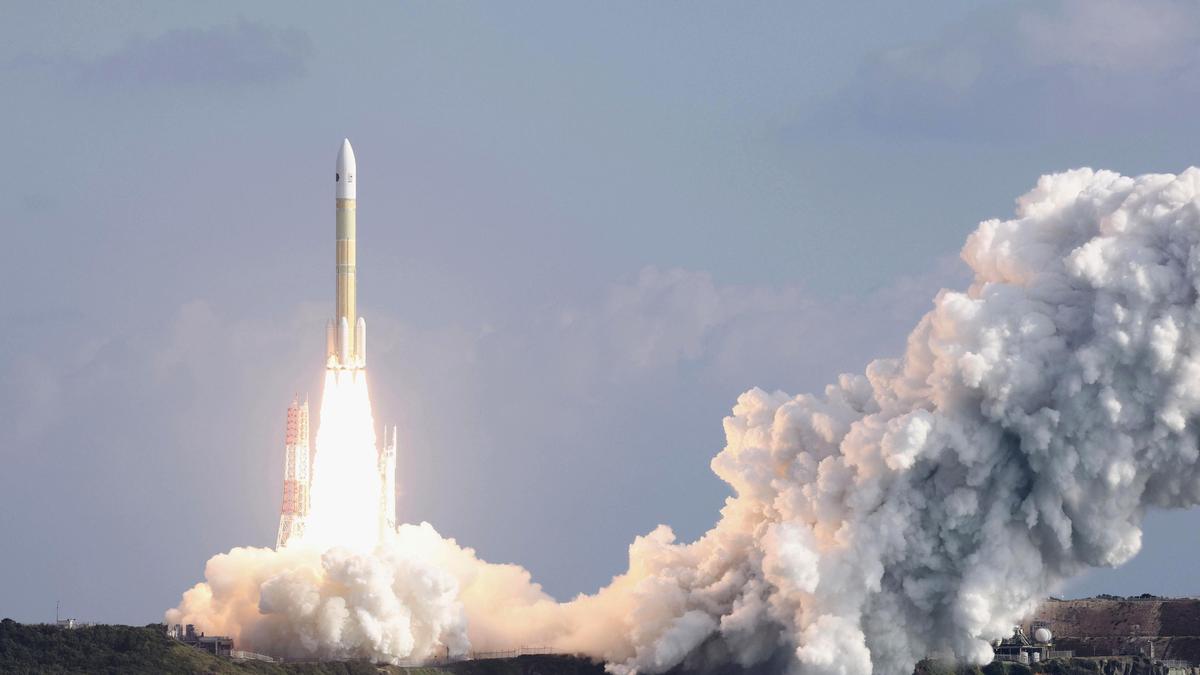
Japan has successfully launched a new cargo spacecraft designed to deliver vital supplies to the International Space Station (ISS). The launch marks a significant milestone in Japan’s contribution to sustaining long-term space missions and enhancing international space collaboration.
Japan successfully launched a new cargo spacecraft on October 26, 2025, to deliver vital supplies and research equipment to the International Space Station.
Japan achieved a significant milestone in space logistics on Sunday, October 26, 2025, with the successful launch of a new cargo spacecraft aimed at resupplying the International Space Station (ISS). The mission, conducted from the Tanegashima Space Center, underscores Japan’s growing role in supporting ongoing manned space missions and international cooperation in space exploration. The spacecraft lifted off in the early hours of the day, carrying essential supplies, scientific equipment, and experiments destined to support the astronauts aboard the ISS. This launch is part of Japan Aerospace Exploration Agency’s (JAXA) continued efforts to sustain the ISS’s operational capabilities and contribute to global space research initiatives. The new cargo vehicle, an upgraded version of previous models, features enhanced capacity and technological improvements to ensure safer and more efficient delivery of goods in low Earth orbit. According to JAXA spokesperson Hiroshi Takahashi, “This mission represents a leap forward in our ability to provide critical support to the ISS crew, reinforcing Japan’s commitment to international space collaboration.” The successful deployment of the spacecraft follows years of development and testing aimed at increasing payload delivery efficiency and expanding the range of research materials transported. The spacecraft is scheduled to dock autonomously with the ISS within a few days, where the crew will begin unloading the cargo. This resupply mission is vital for maintaining the day-to-day operations of the ISS, which relies on timely shipments of food, water, spare parts, and equipment to facilitate ongoing scientific research and habitation. Experts highlight the importance of such missions in the broader context of sustained human presence in space, critical for future exploration ventures, including lunar bases and Mars expeditions. The international community has welcomed Japan’s latest success, emphasizing the collaborative nature of the ISS program, bringing together multiple nations to further human spaceflight capabilities. JAXA plans similar missions in the coming years to support continuous station operations and to advance its technological expertise in spacecraft design and orbital logistics. The launch also demonstrates progress in Japan’s aerospace sector and contributes to the global market of space transportation services. In summary, Japan’s successful launch of its new cargo spacecraft not only ensures the ISS remains well-supplied but also reinforces the strategic partnership among spacefaring nations striving toward shared exploration goals.