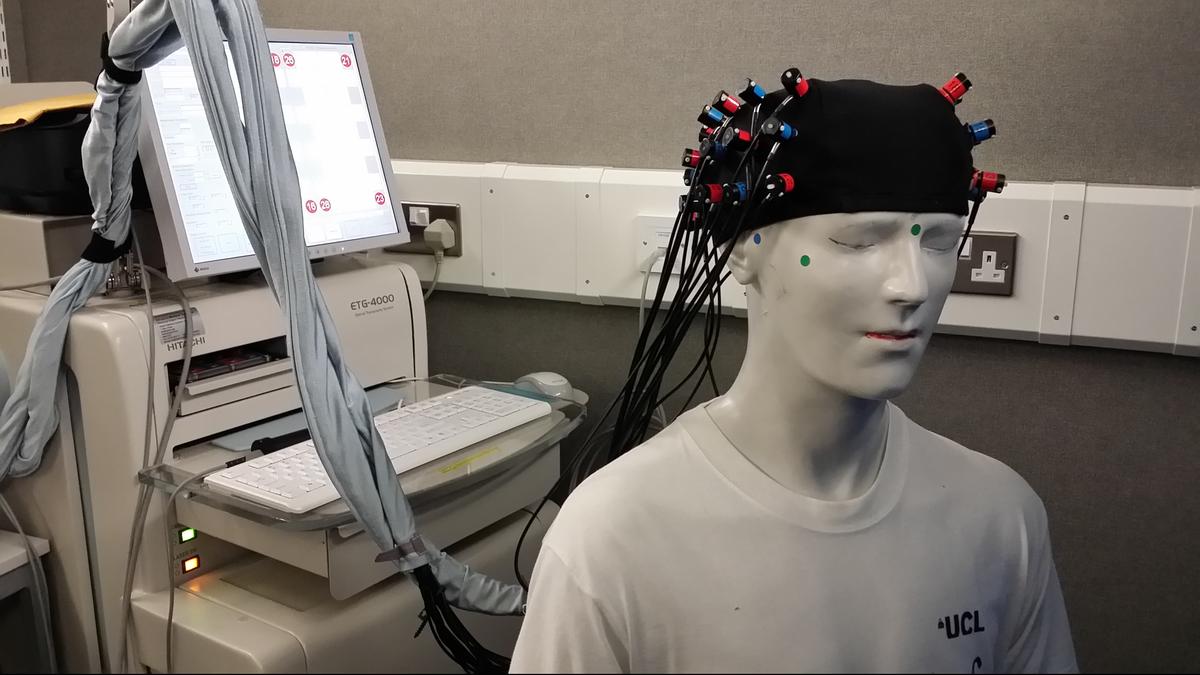
Scientists have identified early brain activity linked to rhythm perception in preterm babies, indicating that the ability to process rhythmic patterns begins before full-term birth. The study provides new insights into early neural development and potential implications for neonatal care.
Scientists detect early brain responses to rhythm in preterm babies, revealing insights into neural development and implications for neonatal care.
Researchers have detected early brain responses to rhythmic stimuli in preterm infants, shedding light on the neurological development of auditory processing in the womb and shortly after premature birth. The study, published on October 31, 2025, highlights the brain’s capacity to recognize rhythmic patterns much earlier in human development than previously understood.
Conducted at a leading neuroscience research institute in India, the research focused on examining the brain activity of preterm babies using non-invasive electroencephalography (EEG) techniques. The investigators exposed infants born before 37 weeks of gestation to rhythmic auditory stimuli and recorded their brain responses to determine the onset of rhythm perception.
The findings reveal that even before reaching full-term gestation, preterm babies show measurable electrical activity in their brains in response to rhythmic sounds. This suggests that the neural circuits responsible for processing rhythm are active earlier than traditionally believed, potentially starting to develop in utero. According to the study, understanding this early neural responsiveness could offer valuable insights into the timing and progression of cognitive and sensory development in newborns.
Dr. Anjali Kumar, lead author of the study, explained, “Our research demonstrates that preterm infants are capable of detecting rhythmic patterns, indicating that foundational auditory processing mechanisms are already in place at this stage. This early detection could have significant implications for neonatal care practices and interventions aimed at supporting brain development.”
Previous research primarily focused on full-term infants and older children, with limited data on how premature birth affects the onset of auditory processing abilities. This new evidence bridges a crucial knowledge gap by illustrating that the brain’s response to rhythm is present even in babies born significantly before their due date.
The study utilized carefully controlled rhythmic auditory stimulus, including sequences of beats and patterns, to elicit neural responses. Monitoring brainwaves allowed scientists to map how preterm infants processed these rhythms compared to term infants, enabling a better understanding of developmental milestones related to auditory perception.
This discovery holds potential practical applications in enhancing early intervention programs for preterm newborns, many of whom face risks of developmental delays. Early identification of sensory processing abilities could inform tailored therapies designed to stimulate neural pathways and support cognitive outcomes.
Moreover, the research introduces new avenues for investigating how early auditory experiences influence language acquisition, which relies heavily on rhythmic processing. Given that rhythm recognition is a critical component for later language and communication skills, these results underscore the importance of monitoring and nurturing auditory development from birth.
In conclusion, the detection of early brain responses to rhythm in preterm infants marks a significant advancement in understanding human neurological development. The study not only confirms that rhythm processing begins prior to full-term birth but also emphasizes the need to integrate this knowledge into neonatal healthcare strategies. Further research is anticipated to explore how these early responses might predict long-term developmental trajectories.