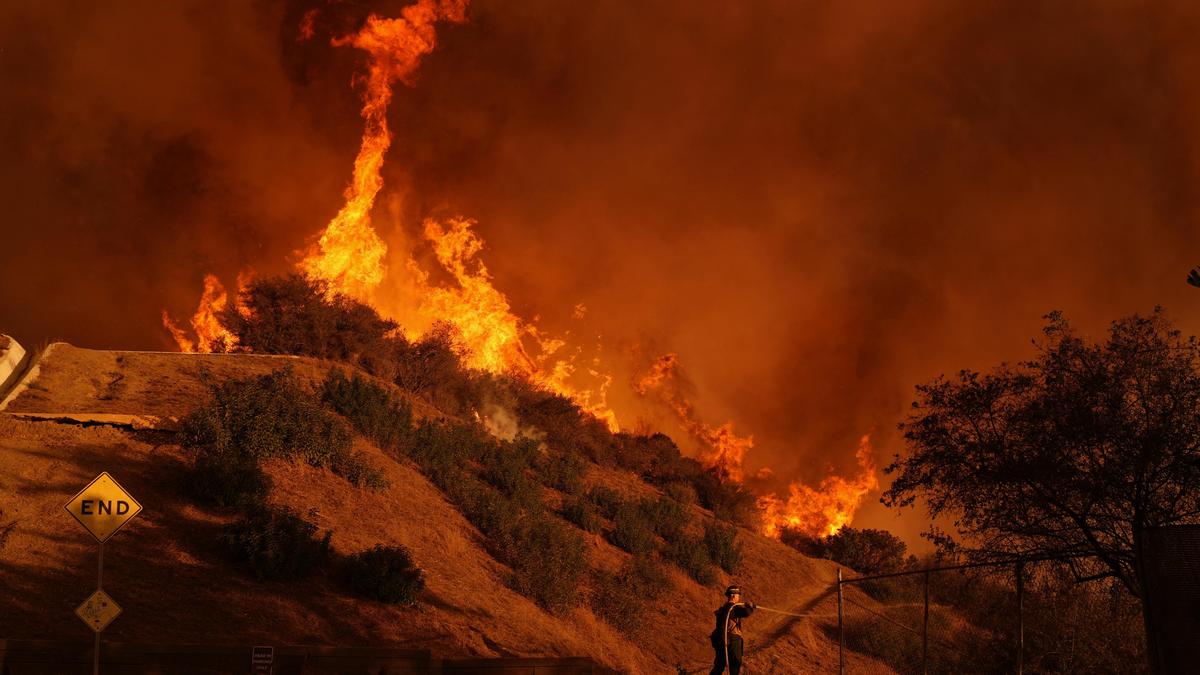
A recent editorial discusses the challenges and potential drawbacks of climate alarmism, emphasizing the importance of balanced climate communication. It highlights the need for accurate information and measured responses to effectively address climate change without causing undue panic or misinformation.
An editorial explores the challenges of climate alarmism, advocating for balanced communication to effectively address climate change without causing undue fear.
Climate change remains a critical global issue, demanding urgent and decisive action from governments, industries, and individuals worldwide. However, alongside growing scientific consensus about the human impact on climate systems, the debate around climate alarmism has gained prominence. On November 3, 2025, an editorial titled “The pitfalls of climate alarmism” was published, scrutinizing the potential negative consequences of alarmist narratives surrounding climate change.
Understanding Climate Alarmism
Climate alarmism refers to the use of dramatic and often exaggerated depictions of climate change threats that may induce fear and urgency. While raising awareness about environmental challenges is essential, critics argue that alarmism can lead to misinformation, public fatigue, and skepticism, ultimately undermining climate action.
According to environmental experts, emphasizing catastrophe without offering constructive pathways may alienate the public and policymakers. They argue that presenting climate data with nuance encourages informed decision-making and sustained engagement over time.
The Editorial’s Perspective
The November 3 editorial highlights several pitfalls associated with alarmist climate messaging. It points out that overly pessimistic forecasts can create a sense of helplessness among citizens, potentially decreasing their motivation to participate in mitigation efforts. Furthermore, exaggerated claims might provide fodder for climate change skeptics, who can dismiss legitimate concerns as fearmongering.
The editorial stresses the importance of balancing urgency with realistic assessments based on credible scientific evidence. It calls for clear communication strategies that articulate both the risks posed by climate change and the viable solutions available, ranging from renewable energy adoption to policy reforms.
Broader Context of Climate Communication
Communication experts note that framing climate change discussions requires a delicate balance. Effective messaging must resonate with diverse audiences, cutting across political and socioeconomic lines. Dr. Anita Sharma, a climate communication specialist, explained, “When people perceive information as overly alarmist, they may disengage or reject the message. It’s crucial to provide hope and actionable steps alongside highlighting the seriousness of the issue.”
Moreover, transparent dialogue about uncertainties in climate projections can enhance public trust. Recognizing the complex nature of climate science enables more robust policy development and community participation.
Global Implications and Responses
Globally, climate policies continue to evolve as nations seek to meet their commitments under international agreements such as the Paris Accord. While urgency is warranted given rising global temperatures and extreme weather events, the editorial warns against rhetoric that may hinder constructive collaboration.
Experts advocate for science-based policymaking supported by effective education campaigns. These campaigns should prioritize clarity, accuracy, and inclusivity to foster widespread support for necessary environmental actions.
Conclusion
The discussion on climate alarmism underscores the importance of balanced and accurate communication in addressing climate change. While recognizing the severity of environmental challenges, it is equally vital to avoid sensationalism that could impair public engagement. Stakeholders must strive for messaging that informs, motivates, and empowers global audiences to contribute meaningfully to climate solutions.