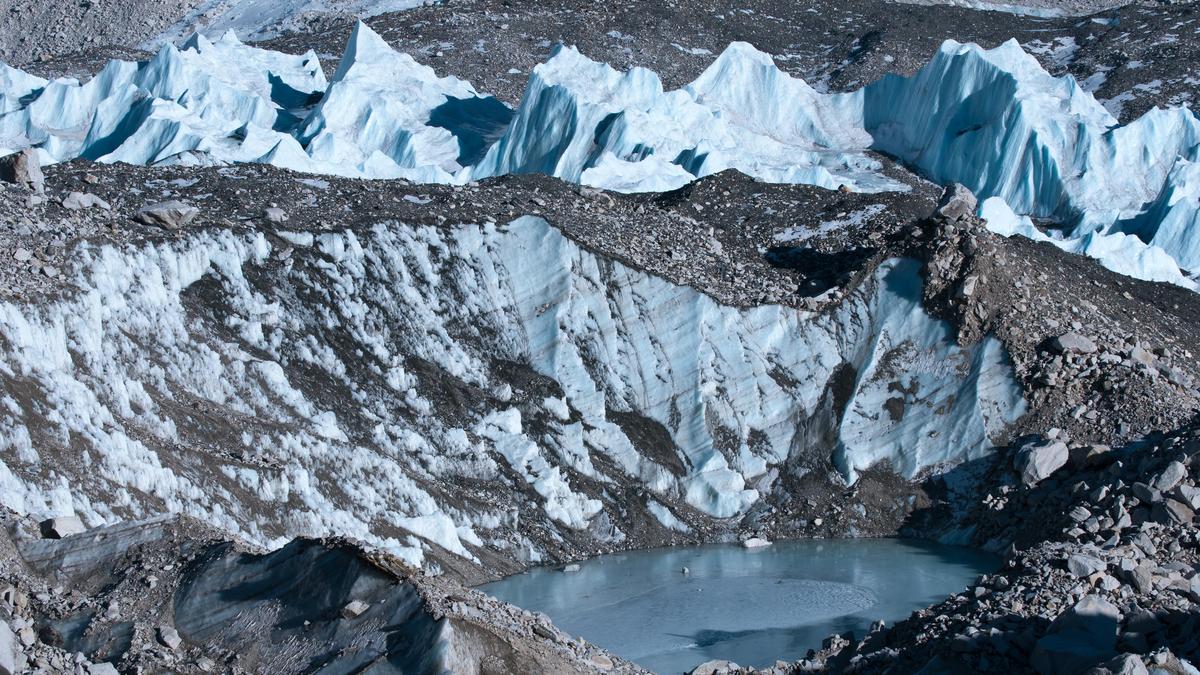
A recent assessment has identified 42 glacial lakes in Nepal that are at high risk of bursting, posing significant threats to downstream communities. Experts emphasize urgent measures to monitor and mitigate potential glacial lake outburst floods (GLOFs) amid rising climate change impacts.
42 glacial lakes in Nepal are at high risk of bursting, threatening downstream communities with floods. Experts call for urgent monitoring and mitigation measures.
Kathmandu, Nepal – On November 22, 2025, experts revealed that 42 glacial lakes across Nepal are currently at a high risk of bursting, which could lead to devastating floods downstream. This identification comes as part of an ongoing effort to assess hazards linked to climate change’s accelerating impact on Himalayan glacier dynamics.
Glacial lake outburst floods (GLOFs) occur when the natural dams containing glacial lakes, often made of unstable moraine debris, fail and release huge volumes of water in a sudden surge. Nepal, home to hundreds of such lakes, has experienced increasing threats from GLOFs due to rapid glacial melting and lake expansion driven by rising temperatures.
“Our comprehensive survey shows that 42 lakes are critically unstable and could pose immediate risks to nearby communities,” said Dr. Jamuna Rai, a leading glaciologist involved in the research conducted by Nepal’s Department of Hydrology and Meteorology (DHM). “Monitoring these lakes is essential to predict and prevent potential disasters.”
High-risk lakes have been identified primarily in the central and eastern Himalayan regions of Nepal, areas experiencing significant glacier retreat. Some notable lakes under threat include Tsho Rolpa and Imja, which have historically been sources of GLOFs. The recent warming trend has caused these lakes to expand considerably, heightening the risk of dam breaches.
Authorities and experts emphasize the need for improved early warning systems, continuous hydrological monitoring, and community preparedness programs to reduce the impacts of future outburst floods. Several international collaborations are underway to develop technologies such as remote sensing and drone surveillance to better track glacial lake dynamics.
“Local populations living downstream of these lakes face severe risks, including loss of life, damage to infrastructure, and disruption to livelihoods,” noted Ramesh Adhikari, a disaster risk management official in Nepal. “Investments in risk mitigation and sustainable glacier management are urgently needed.”
The issue of GLOFs in Nepal aligns with broader concerns in the Himalayan region as climate change accelerates glacier melt. According to recent climate reports, Himalayan glaciers have been retreating at an unprecedented pace, increasing the number and size of glacial lakes. This not only threatens Nepal but also neighboring countries reliant on Himalayan water sources.
In response, Nepal’s government has prioritized glacial hazard mitigation in its national climate resilience strategy. Measures include engineering solutions to stabilize lake dams, relocation of vulnerable communities, and international cooperation on data sharing and disaster preparedness.
While preventive actions are critical, experts warn that unpredictable weather patterns and rapid environmental changes make managing GLOF risks challenging. Continued scientific research combined with community engagement remains key to safeguarding lives and property.
In conclusion, the identification of 42 high-risk glacial lakes in Nepal highlights a significant environmental challenge posed by climate change. Proactive monitoring, investment in early warning systems, and coordinated mitigation efforts are vital to reducing the impacts of potential glacial lake outburst floods in the region.