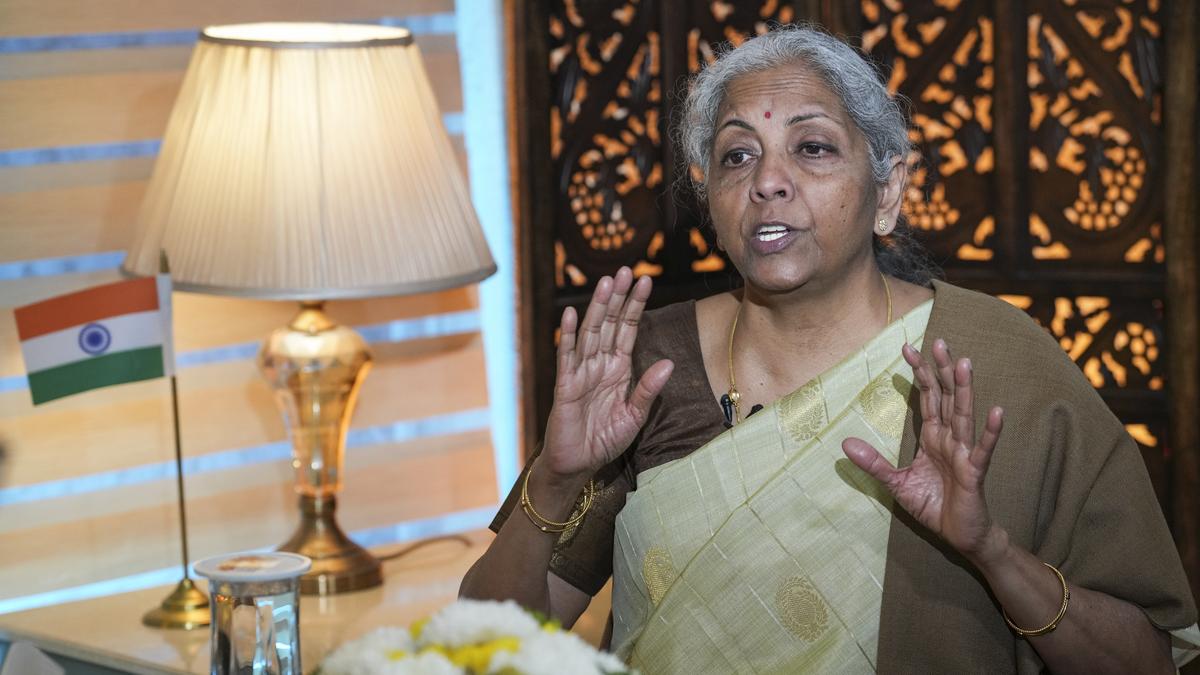
Finance Minister Nirmala Sitharaman emphasized the inclusive nature of the 2025 Indian budget, describing it as ‘by the people, for the people’. Delivered on February 2, 2025, the budget aims to address key economic challenges while promoting sustainable growth and social welfare.
Finance Minister Nirmala Sitharaman announces India’s 2025 budget as an inclusive, people-focused plan prioritizing growth, sustainability, and social welfare.
New Delhi, February 2, 2025 – India’s Finance Minister Nirmala Sitharaman outlined the 2025 budget as an inclusive economic plan “by the people, for the people,” during her official statement delivered in the Lok Sabha on Sunday. The budget sets out a comprehensive framework aimed at fostering sustainable development, boosting infrastructure, enhancing social welfare, and stimulating the Indian economy amid global and domestic challenges.
In her budget speech, Sitharaman highlighted the collaborative approach taken to formulate the financial plan, stressing that substantial input was incorporated from various sectors of society, including farmers, industrialists, and low-income groups. “This budget reflects the aspirations and concerns of every citizen, ensuring that growth is equitable and benefits reach all strata of society,” she remarked.
### Key Priorities: Growth, Sustainability, and Social Welfare
The 2025 budget places significant emphasis on sustainable growth models, infrastructure modernization, and social welfare schemes. Sitharaman announced increased allocations for rural development programs and green energy initiatives, underscoring the government’s commitment to environmental sustainability and reducing carbon emissions.
Investment in healthcare and education also featured prominently, with enhanced funding directed towards improving public health infrastructure and expanding access to quality schooling. “Access to good health and education lays the foundation for a prosperous society,” Sitharaman noted, outlining measures aimed at strengthening these sectors.
### Addressing Economic Challenges with Fiscal Prudence
Amid a global economic slowdown and volatile energy prices, the budget teams fiscal prudence with targeted stimulus measures. Sitharaman affirmed the government’s commitment to maintaining a responsible fiscal deficit while deploying resources to spur economic activity and safeguard vulnerable populations.
Tax reforms were a key component of the budget, designed to simplify compliance and promote investment. The Finance Minister announced adjustments in income tax slabs to provide relief to middle-income earners, alongside incentives intended to attract foreign direct investment and boost manufacturing under the Make in India initiative.
### Enhancing Infrastructure and Digital Economy
Infrastructure development remains a cornerstone of the government’s agenda, with increased budgetary provisions for transportation networks, urban development, and digital infrastructure. Sitharaman emphasized strengthening India’s digital economy through expanded broadband access, support for startups, and digital literacy programs.
“The budget prioritizes building a robust infrastructure that will serve as the backbone for India’s economic progress in the years to come,” she stated, highlighting projects aimed at improving connectivity and urban amenities.
### Inclusive Budget Building Process
The Finance Minister elaborated on the consultative process underlying the budget formulation, involving extensive consultations with stakeholders across industry, agriculture, labor, and civil society. The aim was to craft a budget that resonates with the ground realities and diverse needs of the nation.
“This budget is it is reflective of our journey together as a nation, ensuring financial policies stimulate growth and empower individuals and communities alike,” Sitharaman emphasized.
### Conclusion
The 2025 Indian budget, as presented by Finance Minister Nirmala Sitharaman, underscores a balanced approach combining growth, sustainability, and social equity. By focusing on infrastructure, healthcare, education, and fiscal responsibility, the government aims to navigate current economic challenges while laying the groundwork for long-term prosperity. The inclusive development process and focus on digital transformation position the budget as a forward-looking roadmap intended to benefit all segments of Indian society.